
Practical Ways to Use Timber Products for a Modern Minimalist Aesthetic
People don’t stop to think about it often but what you make your home from has implications way beyond design blogs and Instagram hashtags. Wood is the ultimate slow material. For a century or more, trees have been carefully coaxed into 2x4s, planed into boards, cured, commissioned and crafted and honored. That kind of time, effort, and respect all feed back into the rooms you build with it. You can feel it.
Anyone who has ever steadied themselves in a tumbling, kaleidoscopic world by placing a hand on a wooden doorframe knows on a primal level that wood is grounding. It has no VOC emissions. It absorbs atmospheric carbon. It’s industrial magic, completely renewable and biodegradable. Carefully factoring in forest overshoot and shipping emissions, timber from sustainably managed forests in the northern hemisphere can have a better carbon footprint than any other construction material. It ages gracefully. It’s repairable. It can outlast you.
Start with species, not style
Before you start thinking about renovations at all, the type of timber you select shapes the entire feel of the project. For warm minimalist design, light-toned species are your friend. Ash, oak, and birch all fit the bill and everyone loves birch plywood.
In contrast to traditional sheet goods, every sheet of plywood is constructed of at least three layers of timber which are glued together. This creates a composite material that is very strong and resistant to warping. Birch plywood for example is widely used in the construction of European furniture and is much preferred by finer furniture producers. The reason this product is so renowned in minimalist design is because it’s incredibly strong, it’s made up of an odd number of layers preventing warping, and it has a pale and consistent grain which produces an understated look that adds beautifully to the sculptural feeling of other pieces in the room. In addition, the other hidden upside of ply is that once it’s glued to a wall, or used for cabinet making, you’re getting the colour benefit of a piece of timber that’s sometimes 18mm thick, a significant upgrade in lighting terms over 6mm worth of stick on laminate.
Build in, don’t add on
The most effective home improvements when taking a minimalist approach are those related to the structure, rather than the aesthetics. For example, floating shelves and seamless built-in cabinetry work better than anything else as they get rid of visual clutter that freestanding furniture brings, and they introduce timber to the space as an architectural element.
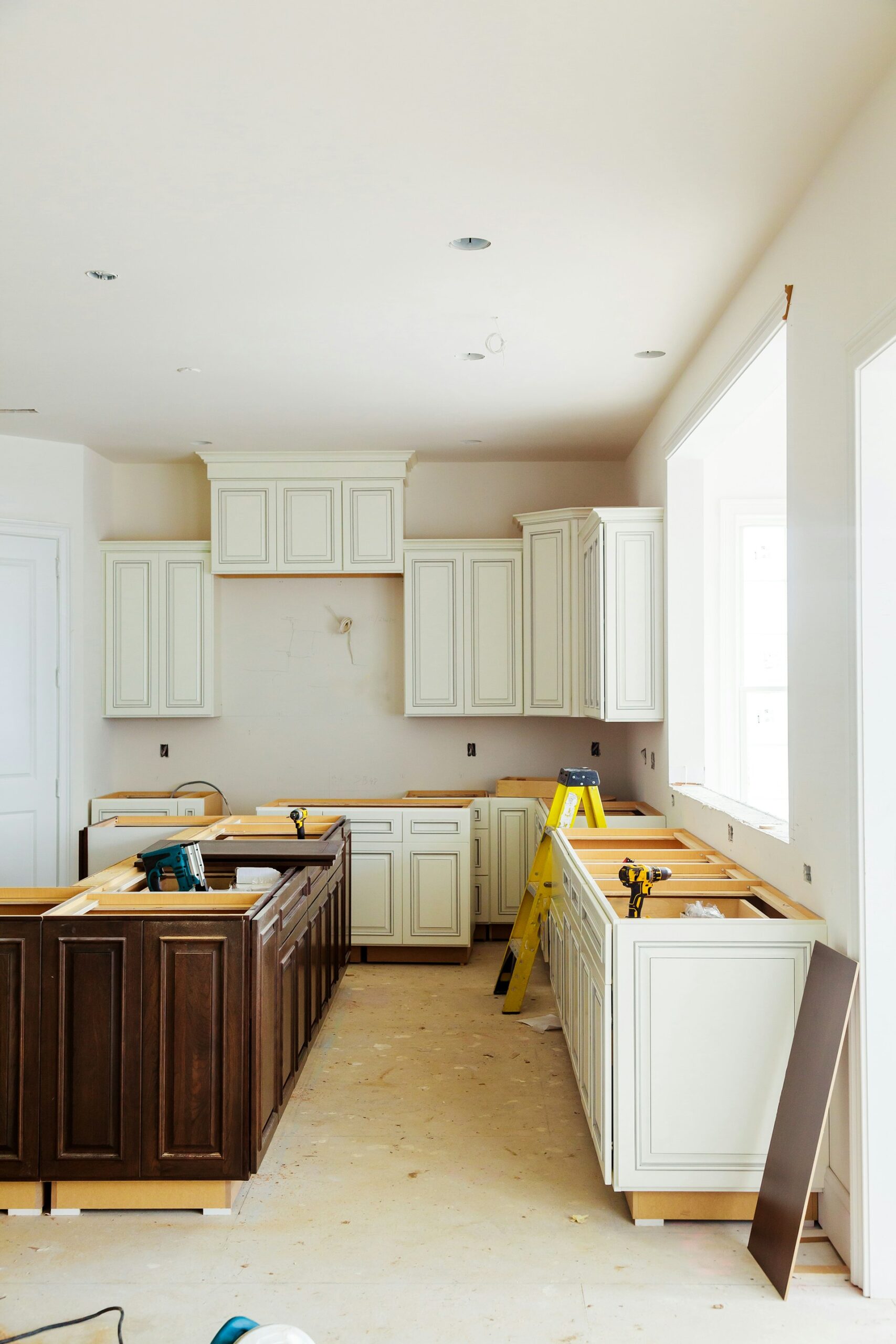
In a kitchen, for example, floor-to-ceiling timber cabinetry with recessed handles creates a surface that will be read as a wall and not as many units standing together. In a mudroom or hallway, a built-in bench with storage underneath will keep the floor space clear and the room functional with no visual additional weight. The storage disappears. The timber remains.
For anyone designing or planing to hire a contractor for such structural work, the sheet material sourcing is key and possibly more important than most people initially expect. Finding reliable Plywood Supplies Perth WA is the first real decision in a high-end minimalist renovation – not the paint color, not the hardware. The sheet material going into your cabinetry carcasses determines how everything else performs and looks for the next twenty years.
Let the edges speak
One of the quietest design moves in timber work is leaving plywood edges exposed. Rather than banding or covering the layered construction at the edge of a shelf or panel, you let the laminated structure show. Done cleanly with a well-sanded, clear-finished edge, it reads as a design detail rather than an unfinished product.
This is what designers sometimes call honesty of materials – the idea that the construction method doesn’t need to be hidden. In minimalist interiors, where there’s no clutter to distract the eye, this kind of transparency actually adds character. The exposed edge grain on a floating shelf tells you exactly what the thing is and how it was made.
Finish choices matter here. Polyurethane tends to add a sheen that shifts lighter timbers toward a plastic appearance. An oil finish keeps the surface matte and lets the grain texture remain tactile. For most minimalist applications, oil or a satin-to-matte water-based finish is the right call.
One wall, done properly
A vertical timber slat wall is one of the best ways to improve a room’s aesthetics. When thin strips of timber run from the floor to the ceiling, they create a sense of verticality, as well as depth and texture. Nothing else needs to be on that wall – no artwork, shelving, or mirror – because the timber already elevates the space.
The negative space between each slat forms shadow lines that change as the light moves throughout the day, which works to increase the wall’s overall dynamic presence. This kind of visual and textural experience is unparalleled. A paint finish, or even a boldly patterned wallpaper, can’t come close to the beauty of a slat wall.
The quality is the decoration
The reasoning behind warm minimalism is quite straightforward assuming that you agree with this assumption: bare surfaces and uncluttered rooms, let the materials do all the talking visually. A cheap timber panel looks and feels far more terrible in a minimalist space than it would buried under artwork and furniture. A well-sourced, properly finished timber surface looks and feels better.



Leave a Reply