

Designing with intention means prioritising purpose and function over mere appearance. It involves making deliberate choices that serve the end user and the overall goal, rather than focusing solely on how something looks. True design effectiveness comes from creating solutions that work well and resonate deeply, not just from making something visually appealing.
Many creatives fall into the trap of valuing aesthetics above all else, but this often leads to designs that fail to solve core problems or engage the audience meaningfully. Intentional design considers context, usability, and impact, ensuring every element has a reason for being.
When design is intentional, it connects form and function seamlessly. It challenges designers to think beyond surface beauty and deliver work that is both thoughtful and practical.
Fundamentals of Designing with Intention
Designing with intention requires a clear focus on why certain choices are made beyond surface appearance. It emphasises meaningful experiences, practical outcomes, and emotional connections, balancing multiple factors to serve specific goals.
Intentional Design Versus Aesthetic-Driven Design
Intentional design prioritises function and user needs over mere visual appeal. While aesthetic-driven design centres on making something look attractive, intentional design ensures each element supports a specific purpose.
For example, an intentional designer may choose materials or layouts that enhance usability or accessibility, even if it sacrifices some style. The goal is to create solutions that work effectively for the user and context.
Aesthetic-driven design can overlook longer-term usability or problem-solving. Intentional design integrates appearance with utility, ensuring the design contributes to its intended outcome rather than just catching the eye.
Key Principles Guiding Intentional Design
Intentional design rests on clarity, empathy, and coherence. Clarity involves defining the primary objective of the design early on. Empathy requires understanding the user’s context, needs, and challenges in detail.
Coherence means all parts of the design align seamlessly with the main purpose. This avoids conflicting elements and confusion in the user experience.
Other principles include sustainability, adaptability, and simplicity. Sustainability ensures the design has minimal negative impact, adaptability prepares it for future changes, and simplicity keeps it easy to use and understand.
| Principle | Description |
| Clarity | Clear goals and purpose |
| Empathy | Understanding user needs |
| Coherence | Consistent elements aligned to purpose |
| Sustainability | Environmentally and socially responsible |
| Adaptability | Ability to evolve with changing needs |
| Simplicity | Ease of use, avoiding unnecessary complexity |
Aligning Purpose, Function, and Emotion
Aligning purpose, function, and emotion is central to intentional design. Purpose defines why the design exists – solving a problem or fulfilling a need.
Function relates to how well the design performs that role. Without effective function, purpose fails.
Emotion connects users to the design on a deeper level, increasing engagement and satisfaction. It is not decoration but a deliberate factor in reinforcing purpose.
Intentional design seeks a balance: a product that works well, serves clear objectives, and resonates emotionally to encourage continued use or positive feelings towards it. This integration improves both practical success and user experience.
Practical Strategies for Intentional Design
Intentional design prioritises function alongside visual appeal. It requires thoughtful decisions about how spaces work, how materials perform, and how lighting shapes atmosphere and usability.
Purpose-Led Spatial Planning
Effective spatial planning begins with understanding how a space will be used. This means analysing movement patterns, activity zones, and user needs before selecting layouts or furniture. Prioritising flow reduces clutter and creates intuitive navigation.
Furniture arrangement should support specific tasks, such as positioning workstations near power sources or creating quiet areas for concentration. Circulation space must be adequate to avoid bottlenecks but balanced with a sense of cohesion.
Designers often use zoning techniques, such as open-plan with delineated areas, or partitions that maintain connection while defining functions. The goal is to enhance both efficiency and the quality of the spatial experience.
Integrating Materiality and Texture
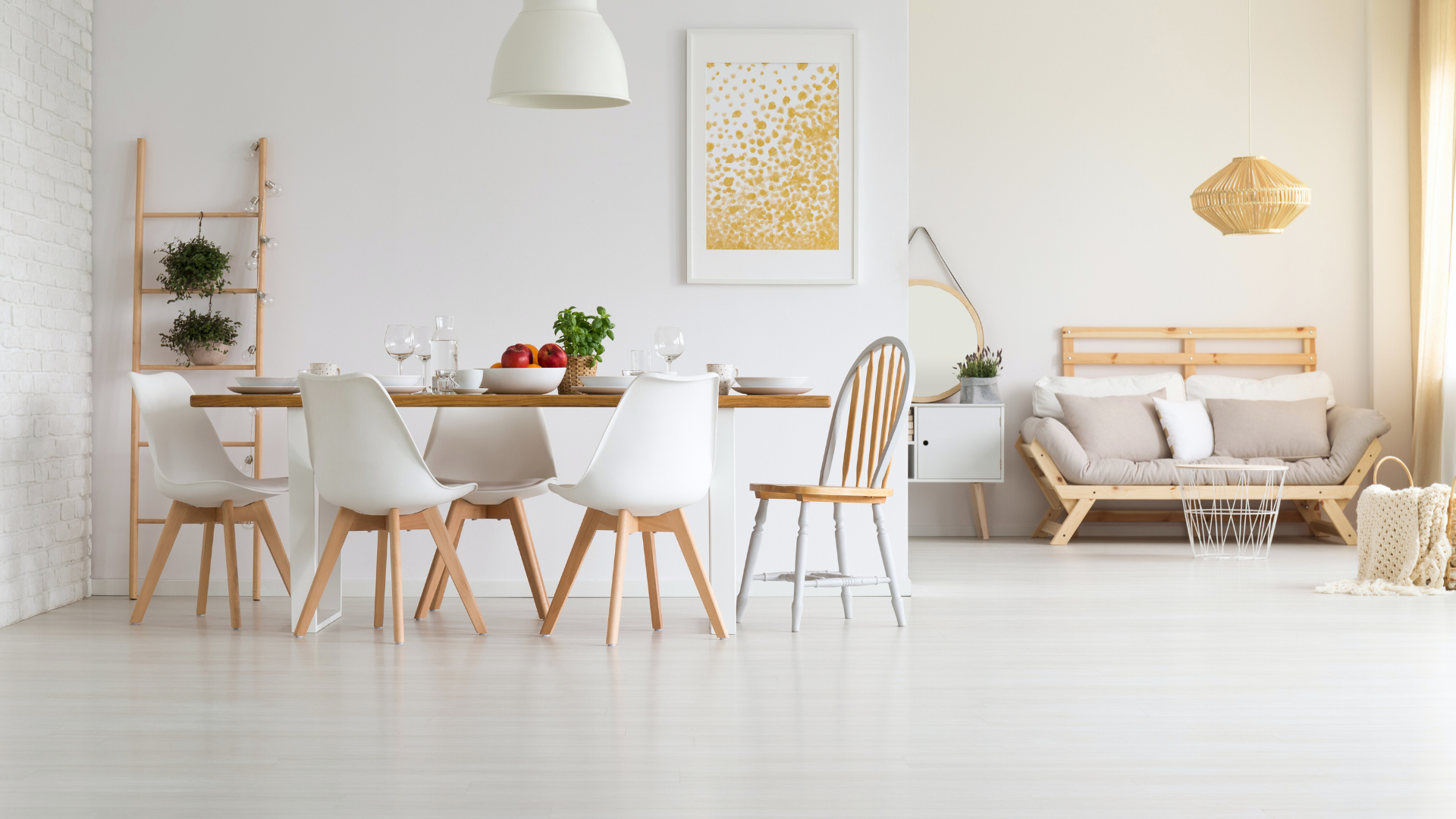
Materials impact durability, comfort, and emotional response. Choosing the right combination can reinforce the intended mood and function of a space. For example, natural fibres and wood add warmth and tactile variety, while metal and glass bring sleekness and durability.
Texture handling ensures visual interest without clutter. Smooth surfaces are easier to clean and maintain but can feel cold; rough textures add depth but may complicate upkeep. Mixing textures thoughtfully can balance practicality with aesthetics.
Material choices should also consider environmental conditions, such as humidity, sunlight, and traffic levels. This underlines the practical dimension of aesthetics that serves long-term spatial experience.
Lighting as a Tool for Mood and Function
Lighting design must address both ambience and usability. Layered lighting—combining ambient, task, and accent sources—allows adaptability for different activities and times of day.
Task lighting focuses on areas like desks or kitchen counters, ensuring adequate illumination for detail work. Ambient lighting creates overall brightness that supports comfort and spatial orientation.
Accent lighting highlights architectural features or textures, enhancing the spatial experience without overwhelming. Controls such as dimmers and timers enable personalisation, reducing energy use while adapting the atmosphere to users’ needs.
Designing for Impact and Sustainability
Intentional design integrates both purpose and responsibility, ensuring each choice contributes to long-lasting value. Focusing on how people interact with spaces and considering environmental consequences leads to solutions that are both functional and respectful of future generations.
Human-Centred and Empathetic Design
Human-centred design starts by understanding the needs, behaviours, and emotions of the people who will use a space or product. Designers gather insights through direct observation, interviews, and feedback to ensure solutions address real problems.
Empathy guides decisions about comfort, accessibility, and usability. For example, incorporating ramps and clear signage helps those with mobility challenges navigate environments safely. Designing with empathy means anticipating diverse user experiences, not just ideal scenarios.
This approach fosters inclusivity and improves satisfaction, encouraging users to feel connected and valued in the space. Prioritising human factors enhances both the practical function and emotional impact of design.
Balancing Sustainability and Intentionality
Sustainability requires deliberate choices about materials, energy, and waste reduction without compromising design intent. Selecting eco-friendly materials like recycled steel or sustainably sourced wood minimises environmental damage.
Intentionality ensures these choices serve a clear purpose rather than being token gestures. For example, using natural ventilation systems reduces operational energy while complementing the building’s form and function.
Balancing these priorities involves calculating life-cycle impacts and maintenance needs. Designers often employ tools such as Life Cycle Assessment (LCA) to measure environmental footprints and optimise resource efficiency throughout a project’s lifespan.
Creating Meaningful Spatial Experiences
Spatial experience affects how people engage with and interpret an environment. Thoughtful layouts consider flow, scale, light, and acoustics to create spaces that feel intuitive and purposeful.
Meaningful experiences are designed by integrating sensory elements that evoke specific responses, like calmness or focus. For instance, natural light and indoor plants can improve well-being and productivity in workspaces.
Intentional spatial design also encourages sustainability by promoting behaviours such as reduced energy use or waste generation. Clear wayfinding and adaptable spaces support long-term usability and accessibility, maintaining relevance as needs evolve.


Leave a Reply