I’ve always had a strong interest in home décor and interior design, and, more recently, I’ve started to pay more attention to real estate as well. Over the years, I’ve seen my fair share of homes that have struggled to sell. In many cases, the problem isn’t the home itself – it’s the way it’s being presented to potential buyers.
Staging involves setting up your home with strategic design choices, in a way that showcases its best features and makes it more appealing to potential buyers. The idea, of course, is to entice the buyers to make an offer. It can involve anything from rearranging furniture to adding new accessories and decor.
If you don’t know much about home décor and design, then it can be difficult to know what to do when staging your home. To help those of you, I’m going to share my top 5 tips for staging your home for a sale!
- Start With a Deep Clean
Before you start staging your home, it’s important to begin with a deep clean. This means cleaning every inch of your home, from top to bottom. Make sure to dust all surfaces, clean the floors, and scrub the bathrooms and kitchen until they sparkle. It’s also a good idea to hire a professional cleaning service, as they can reach areas that are often overlooked. To make this process easier, temporarily removing excess furniture or personal items using a storage option available nearby can help create a cleaner, more open space for staging.
A clean home not only looks better to potential buyers, but it also gives the impression that the home has been well-maintained. This can be a major selling point for many buyers who are looking for a move-in ready home.
- Declutter and Depersonalize
Once your home is clean, it’s time to declutter and depersonalize. This means removing personal items, such as family photos and mementos, along with any excess clutter. Buyers want to envision themselves living in the space, and that’s hard to do when it still feels like someone else’s home. For this, also consider addressing any issues that could distract from a positive first impression, like lingering odors, minor repairs, or the need to get rid of mice if you’ve seen signs of them. A tidy, neutral, and well-maintained space gives buyers room to imagine their future there.
Start by removing any items that are not essential, such as extra furniture, knick-knacks, and other belongings that take up visual space. To help your home feel open and inviting to potential buyers, consider using local self storage units to temporarily store these excess items. They offer a convenient and secure way to keep your belongings out of sight during showings, making it easier for buyers to imagine themselves living in the space.
- Add neutral decor and accessories
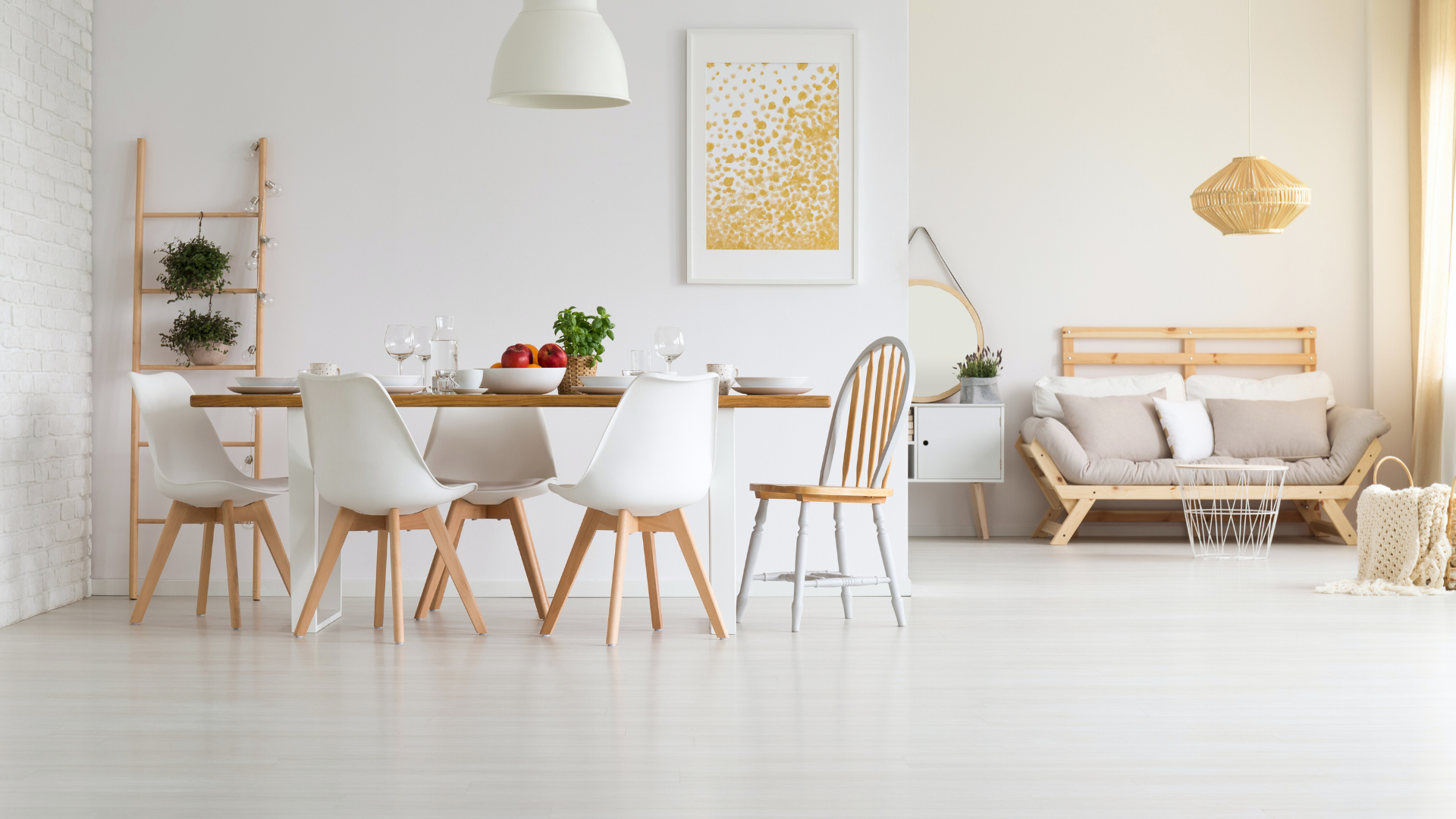
Once your home is clean and decluttered, it’s time to start adding some new decor and accessories. The key here is to keep things neutral and simple. You want to create a space that is warm and inviting, but not too personal or overwhelming.
Start by adding some fresh flowers or plants to the living room or dining room. You can also add some new throw pillows or a cozy throw blanket to the couch. Other simple decor ideas include adding some new artwork to the walls or hanging a mirror to make a room feel larger.
- Lighten and Brighten
Natural light is a huge selling point for any home, so make sure to let in as much natural light as possible. Remove heavy drapes or blinds, and replace them with lighter, more sheer options. Make sure that all light fixtures are clean and in working order, and consider adding additional lamps or fixtures to brighten darker spaces.
- Add Some Greenery
Plants and flowers can add life and energy to any room. Consider adding a few well-placed potted plants or vases of fresh flowers to brighten up the space and make it feel more inviting. Just be sure to keep them well-maintained and watered so they don’t wilt and detract from the overall look of the room.
In addition to these practical staging tips, working with experienced Gillingham Estate Agents (or one in your area) could make the entire process far more effective. Experts typically understand what buyers in your local market are looking for and can offer tailored advice on how to present your home in the best possible light.
From suggesting minor layout adjustments to identifying areas that could benefit from subtle upgrades, their professional insight often helps ensure your property stands out and attracts serious interest.
In conclusion, by combining thoughtful staging techniques with professional insight, you can present your home in the best possible light. Small changes often make a big difference, helping buyers connect emotionally with your space.