
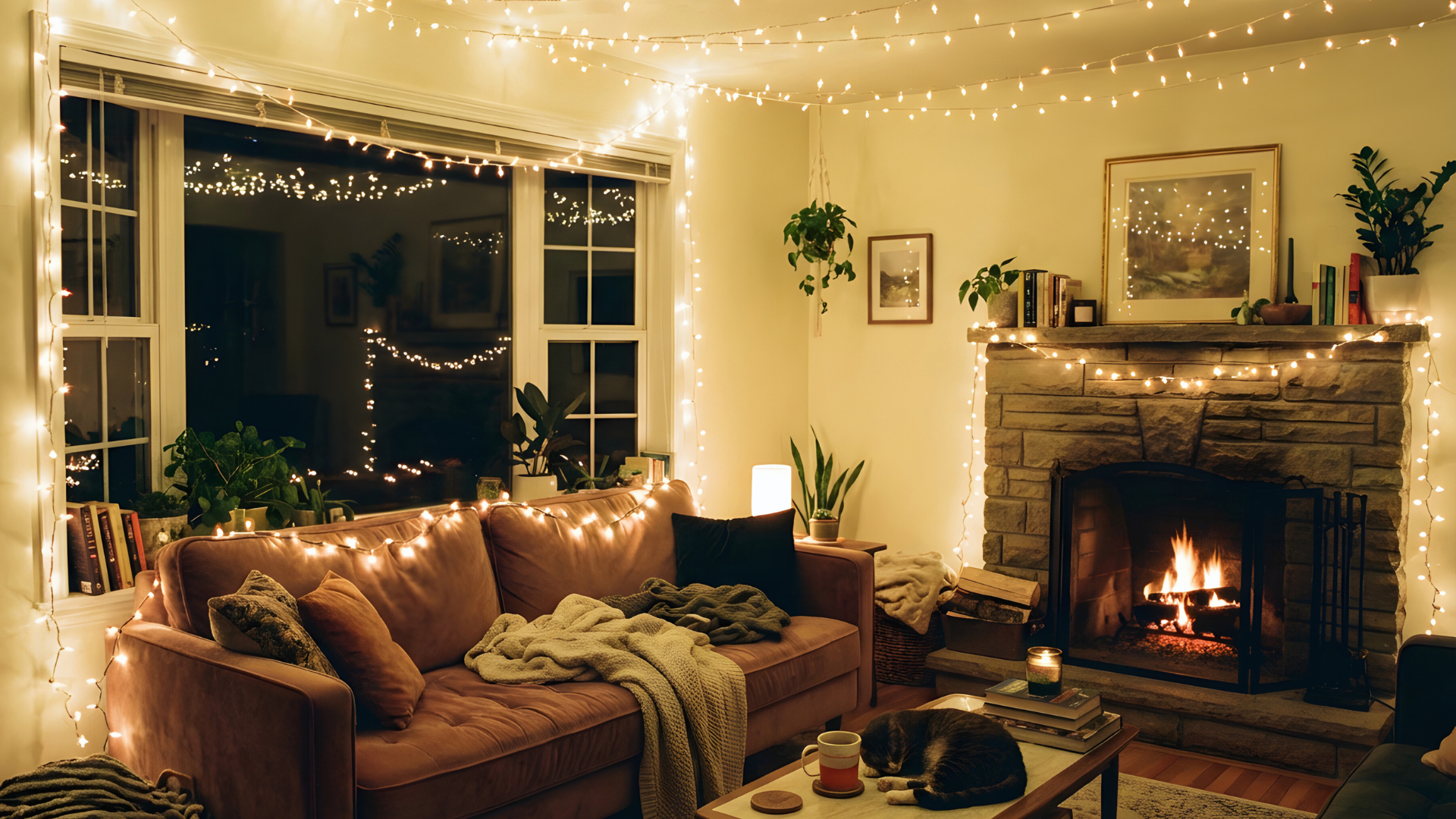
Creating atmosphere with layering and lighting depends on combining different light sources and textures to produce depth and mood. Using multiple layers of light—ambient, task, and accent—allows control over the space’s feel and function. This approach transforms a room from flat and plain into inviting and dynamic.
Layering involves mixing various materials and finishes, such as soft fabrics with harder surfaces, to enhance the lighting effects. Each element interacts with light uniquely, contributing to the overall atmosphere. Understanding how to balance these layers helps to achieve a cohesive and comfortable environment.
Foundations of Layered Lighting and Ambience
Creating atmosphere with lighting requires a clear grasp of layering techniques, human psychological responses, and the technical details of colour temperature. These elements combine to shape how a space feels and functions, guiding both design and emotional impact.
Understanding Layered Lighting Principles
Layered lighting design involves combining three main types: ambient, task, and accent lighting. Ambient lighting provides overall illumination, ensuring the space is comfortably lit. Task lighting targets specific activities, such as reading or cooking, adding function without overpowering. Accent lighting highlights architectural features or artwork, adding depth and interest.
Effective layering balances these types to avoid flat or overly bright interiors. Dimmers and adjustable fixtures increase control over each layer. This approach brings flexibility, allowing users to adapt lighting according to need or time of day, enhancing both practical use and atmosphere.
The Psychological Impact of Lighting on Atmosphere
Lighting influences mood and behaviour significantly in interior design. Bright, cool light tends to increase alertness and energy, making spaces feel more awake and focused. Conversely, warm, dim lighting promotes relaxation and comfort.
Layered lighting helps manipulate psychological responses by varying intensity and distribution. For instance, soft accent lights can reduce harshness from overhead lighting, creating inviting spaces. Understanding these effects allows designers to tailor environments that support users’ emotional and functional needs.
Role of Colour Temperature in Creating Mood
Colour temperature, measured in kelvins (K), affects how space and atmosphere are perceived. Lower temperatures (2700K–3000K) emit warm, yellowish light, suitable for living rooms or bedrooms where cosiness is preferred. Higher temperatures (4000K–5000K) produce cool, bluish light, ideal for kitchens or offices requiring focus.
Layered lighting design often uses a mix of temperatures to balance mood and task needs. Careful selection helps avoid discordant atmospheres and enhances overall cohesion, ensuring lighting supports both ambience and usability in various spaces.
Core Types of Lighting for Atmosphere
Lighting design relies on combining different lighting types to create a balanced and purposeful environment. Each type has a distinct role that influences the overall mood, functionality, and visual appeal of a space.
Ambient Lighting Strategies
Ambient lighting provides the base layer of illumination, ensuring overall visibility without glare or harsh shadows. It typically comes from ceiling-mounted fixtures such as recessed lights, chandeliers, or LED panels, and should fill the room uniformly.
Dimmers are often used to adjust ambient light levels, allowing control over mood and comfort. Natural light integration also plays a key role, helping maintain an inviting atmosphere during the day.
The goal is to create a soft, even light that forms the foundation for additional layers, avoiding overly bright or stark illumination that could disrupt the atmosphere.
Task Lighting Solutions
Task lighting focuses on specific activities requiring clear, concentrated light, such as reading, cooking, or working at a desk. It is usually brighter and more directional than ambient lighting.
Common fixtures include desk lamps, under-cabinet lights, and pendant lights positioned above work surfaces. The choice of colour temperature matters; cooler tones (4000K–5000K) improve focus and reduce eye strain.
Effective task lighting minimises shadows and glare in critical areas while complementing ambient lighting. It should be adjustable to adapt to different tasks and user preferences.
Accent Lighting for Visual Interest
Accent lighting highlights particular features, textures, or objects to add depth and dimension. It creates contrast and draws the eye, often using spotlights, wall washers, or LED strips.
This layer brings architectural details, artwork, or plants into focus by casting shadows and emphasising form. The intensity is typically higher than ambient light but lower than task lighting.
Using warm colours or adjustable fixtures enhances the atmosphere without overpowering the space. Accent lighting is essential for creating a dynamic and visually engaging environment through thoughtful layering.
Selecting and Positioning Lighting Fixtures
Effective atmospheric lighting depends on carefully selecting fixtures suited to different functions and arranging them to create depth and balance. The right combination of styles, placements, and finishes enhances the character of a space without overwhelming it.
Choosing Lighting Fixtures for Each Layer
Layered lighting requires three types of fixtures: ambient, task, and accent. Recessed lighting or a chandelier typically provides ambient light, delivering overall brightness without drawing attention to itself. For task lighting, options like desk lamps, reading lights, or table lamps offer focused illumination where needed.
Accent lighting, such as wall sconces, floor lamps, or string lights, highlights architectural features or décor. Fixture size and brightness must match the purpose. For example, a small pendant light works well in a cosy nook but is insufficient as the sole source in a large living room.
Fixture Placement for Depth and Balance
Placement plays a crucial role in balancing light layers. Ceilings generally host ambient fixtures like recessed lights or chandeliers, positioned symmetrically or centrally to distribute light evenly. Floor lamps and table lamps should be placed in corners or near seating areas to soften shadows and add warmth.
Wall sconces are best positioned at eye level on walls flanking mirrors or artwork to create layers without glare. Pendant lights over tables need careful height placement, around 70-80 cm above the surface, to avoid obstructing sightlines while providing adequate task lighting.
Mixing Styles and Finishes Harmoniously
Combining different lighting fixtures requires attention to style and finish for visual cohesion. Mixing modern metal pendants with traditional wooden floor lamps can work if colours and textures complement rather than clash. Aim for a unifying theme, such as similar metallic tones or a shared design motif.
Avoid overloading the space with too many contrasting finishes. For instance, pairing brass wall sconces with chrome desk lamps can appear disjointed unless balanced carefully with neutral surroundings or complementary accessories. Harmonious layering enhances atmosphere without distracting.
Practical Tips for a Cosy, Layered Atmosphere
Creating a cosy atmosphere involves combining different types of lighting to balance functionality and warmth. This approach centres on adjusting brightness, using warm colours, and placing lights strategically to enhance comfort in living spaces.
Integrating LED Strips and Smart Lighting
LED strips offer flexible, low-profile lighting that can be placed under shelves, behind TVs, or along covings. They provide subtle background light without overpowering the room, ideal for creating a soft, inviting glow.
Smart lighting systems enable remote control and scheduling, allowing users to adjust brightness and colour temperature throughout the day. This adaptability ensures lighting complements activities and moods, especially in cosy bedrooms where variable light enhances relaxation.
He or she should select LED strips with warm white tones (around 2700K) rather than cooler hues, as this colour temperature promotes a soothing effect. Combining LED strips with smart controls maximises convenience and consistency in maintaining the atmosphere.
Utilising Dimmer Switches and Warm-Toned Bulbs
Dimmer switches are essential for controlling light intensity, which directly affects a room’s ambience. Installing dimmers on ceiling fixtures or lamps allows gradual adjustment from bright task lighting to a gentle, cosy glow.
Warm-toned bulbs, typically between 2200K and 2700K, mimic natural candlelight and soften the space. They reduce harshness in bedrooms and living rooms, contributing to a relaxed and inviting environment.
When upgrading bulbs, it is important to check compatibility with existing dimmer switches to avoid flickering or reduced bulb lifespan. The combination of dimmers and warm bulbs delivers precise control over atmosphere and energy use.
Layering Lighting for Specific Spaces
Layering lights involves using ambient, task, and accent lighting to meet different needs within a room. For instance, a cosy bedroom benefits from soft overhead lights, functional bedside lamps, and accent features like fairy lights or candles.
Using multiple layers allows for easy changes in atmosphere without excessive brightness. Task lighting ensures practical illumination for reading or dressing, while ambient lighting fills the room with a warm glow.
Planning light placement with dimmers and warm bulbs in each layer ensures comfort and flexibility. Layered lighting also highlights textures, increasing the feeling of depth and warmth in the space.

Leave a Reply