
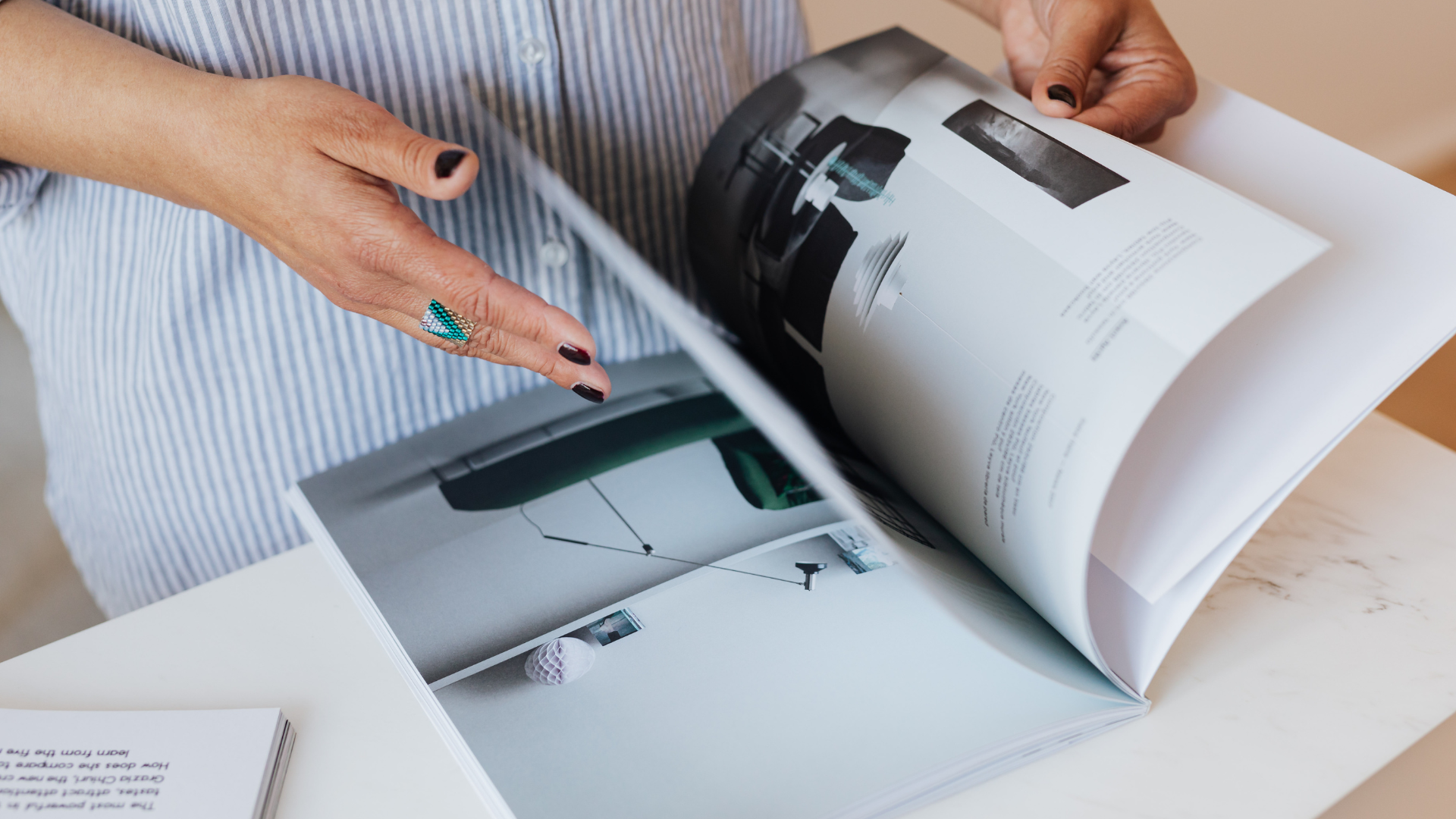
As the year unfolds, interior design trends are shifting to prioritise comfort and relaxation in living spaces. The top interior design trends of 2025 focus on creating cosy environments that promote well-being and a sense of serenity. Emphasising textures, colours, and layouts that invite warmth, this year’s trends are all about enhancing the home experience.
Natural materials are making a significant comeback, with wood, stone, and organic textiles being favoured for their ability to create a tranquil atmosphere. Additionally, colour palettes lean towards muted tones, evoking a sense of calm that resonates with the need for peaceful retreats. By integrating these elements, spaces transform into inviting havens ideal for unwinding.
Moreover, multifunctional furniture is gaining popularity, catering to the modern lifestyle that often requires adaptability. Pieces designed for relaxation, such as oversized sofas and plush cushions, encourage gatherings while ensuring comfort. This trend illustrates a deeper understanding of how home environments can foster a sense of security and relaxation.
Embracing Nature and Sustainability
The integration of nature and sustainability in interior design is becoming increasingly important. This approach focuses on creating spaces that enhance well-being and utilize environmentally friendly materials and practices.
Biophilic Design Elements
Biophilic design brings the outdoors inside by incorporating natural elements into interior spaces. This can include the use of large windows that maximise natural light and views, as well as living walls filled with greenery.
Plants play a crucial role in this design philosophy, providing not only aesthetic appeal but also improving air quality. Natural textures, such as wood and stone, help create a sense of serenity and connection to nature.
Other elements include organic shapes and patterns that mimic nature, contributing to a calming atmosphere. Earth tones, such as muted greens and browns, can further enhance this effect, grounding the space in natural beauty.
Sustainable Materials and Practices
Sustainable materials are the foundation of eco-friendly interior design, offering both environmental benefits and a warm, inviting aesthetic. Natural elements such as bamboo, reclaimed wood, and organic cotton are increasingly popular for their durability and minimal impact on the planet. When integrated thoughtfully, these materials create a cozy home design for the winter while also keeping spaces cool and refreshing in the summer, ensuring year-round comfort in a stylish and nurturing environment.
Textured materials create depth and interest in spaces while promoting a timeless aesthetic. Sustainable design also emphasises ethical production practices, ensuring that materials are sourced responsibly.
Incorporating energy-efficient appliances and systems adds another layer of sustainability. This not only reduces the carbon footprint but also promotes wellness by improving indoor air quality and reducing energy consumption.
The Evolution of Home Spaces
The design of home spaces has transformed to adapt to contemporary needs. There is a growing emphasis on functionality and personalisation, especially as more people work from home and seek places for well-being and relaxation.
Functional Home Office Designs
The rise of remote work has drastically influenced interior design. Home offices are no longer simple setups; they have become specialised environments tailored for productivity.
Key features include ergonomic furniture that promotes comfort during long working hours. Dedicated workspaces often feature ample natural light and innovative storage solutions to keep spaces organised.
Incorporating technology is crucial, with integrated charging stations and high-speed internet connections becoming standard. Designs often include soundproof elements for enhanced concentration. This evolution reflects a balance between professionalism and comfort, allowing individuals to focus effectively.
Personal Spaces for Wellness and Leisure
Personalisation in home spaces has expanded to prioritise wellness and leisure. Areas are designed to promote mental and physical health, catering to individual needs. An interior design company like https://scandicliving.com.au/ can help people create spaces like these in their own home.
Wellness spaces may include meditation corners or yoga studios, often characterised by calming colours and natural materials. Plants are a common feature for their aesthetic and health benefits.
Leisure spaces focus on relaxation and nostalgia, with comfortable seating and entertainment centres. Many incorporate personal touches like artwork or family memorabilia, enhancing the emotional connection to the space. This trend prioritises creating personal havens within homes, supporting an overall healthier lifestyle.
Aesthetic Trends in Colour and Texture
Recent interior design trends highlight a shift towards specific colour palettes and the increased use of textured surfaces. These elements combine to create visually striking and inviting spaces, enhancing both aesthetic appeal and comfort.
The Impact of Colour Palettes
Current trends in colour palettes showcase a preference for bold and saturated hues. Designers are opting for colours like deep blue and burgundy, which add depth and sophistication to interiors.
Jewel tones are also making a strong comeback, offering richness and a touch of luxury.
Incorporating techniques such as colour drenching, where a single colour dominates a space, can create a dramatic effect. This trend encourages the use of moody hues, adding an element of intimacy. Additionally, the Colour of the Year 2025 is anticipated to further influence selection, with experts suggesting a focus on organic and earthy tones.
Revival of Textured Surfaces
Textured surfaces are gaining popularity as a means to add dimension and character. Textured walls and textured wallpaper provide visual interest and can transform a room from ordinary to extraordinary.
The incorporation of curved furniture complements textured elements, promoting an organic feel within spaces. Surfaces with varying textures invite touch and stimulate the senses, making interiors more engaging.
Designers are exploring options like plaster, wood grain, and fabric wall coverings to enhance tactile experiences. The synergy between bold colours and textured surfaces creates dynamic environments, inviting inhabitants to experience their surroundings in multifaceted ways.
Incorporating Distinctiveness and Character
Creating a space that reflects individuality requires strategic choices in both materials and visuals. Embracing a mix of elements can significantly contribute to a home’s character. Working with an experienced interior design firm in Augusta GA, or elsewhere, can help translate personal taste into a cohesive design. Whether it’s through thoughtful space planning or selecting statement pieces, embracing a mix of elements can significantly contribute to a home’s character.
Beyond aesthetic considerations, ensuring the reliability and professionalism of the firm you choose is paramount for a successful renovation project. This is where industry accreditations and verification schemes play a crucial role, offering homeowners peace of mind by validating a firm’s adherence to established standards. These programs often assess a company’s business practices, service quality, and financial stability, protecting consumers from potential pitfalls. For those undertaking significant home improvements, understanding the various schemes available, such as those related to case trust renovation, can significantly mitigate risks and ensure a smoother process. Prioritizing firms with recognised certifications not only safeguards your investment but also elevates the overall quality and integrity of the interior design industry.
A mix of Metals and Materials
Mixing metals in home decor adds depth and interest. For instance, pairing warm brass with cool stainless steel creates a visually appealing contrast. Incorporating a variety of materials, such as wood, glass, and metal, helps establish a unique aesthetic.
Earthly neutrals serve as a perfect backdrop, allowing mixed metals to shine. This combination can showcase personal style without overwhelming the senses. Accessories, such as lamps with different metallic finishes, can enhance the eclectic feel of a room.
Using varied textures, from smooth finishes to rough surfaces, adds further dimension. This approach makes the environment inviting while maintaining a cohesive design.
Wallpapers that Tell a Story
Wallpapers have evolved, playing a crucial role in interior design by adding character. Selecting papers with intricate patterns can evoke particular emotions or memories. Designs featuring natural motifs, such as flora and fauna, create an organic atmosphere, fostering a connection to the outdoors.
Storytelling wallpapers serve more than just aesthetics; they can convey meaning and inspire joy. This element invites occupants and guests to engage with their surroundings in a meaningful way.
Textures and finishes further enhance the wallpaper’s impact, inviting touch and interaction. Layering wallpaper with complementary decor items enriches the overall experience. The right choice of wallpaper transforms a mundane wall into a focal point, giving any room a distinctive flair.



Leave a Reply