
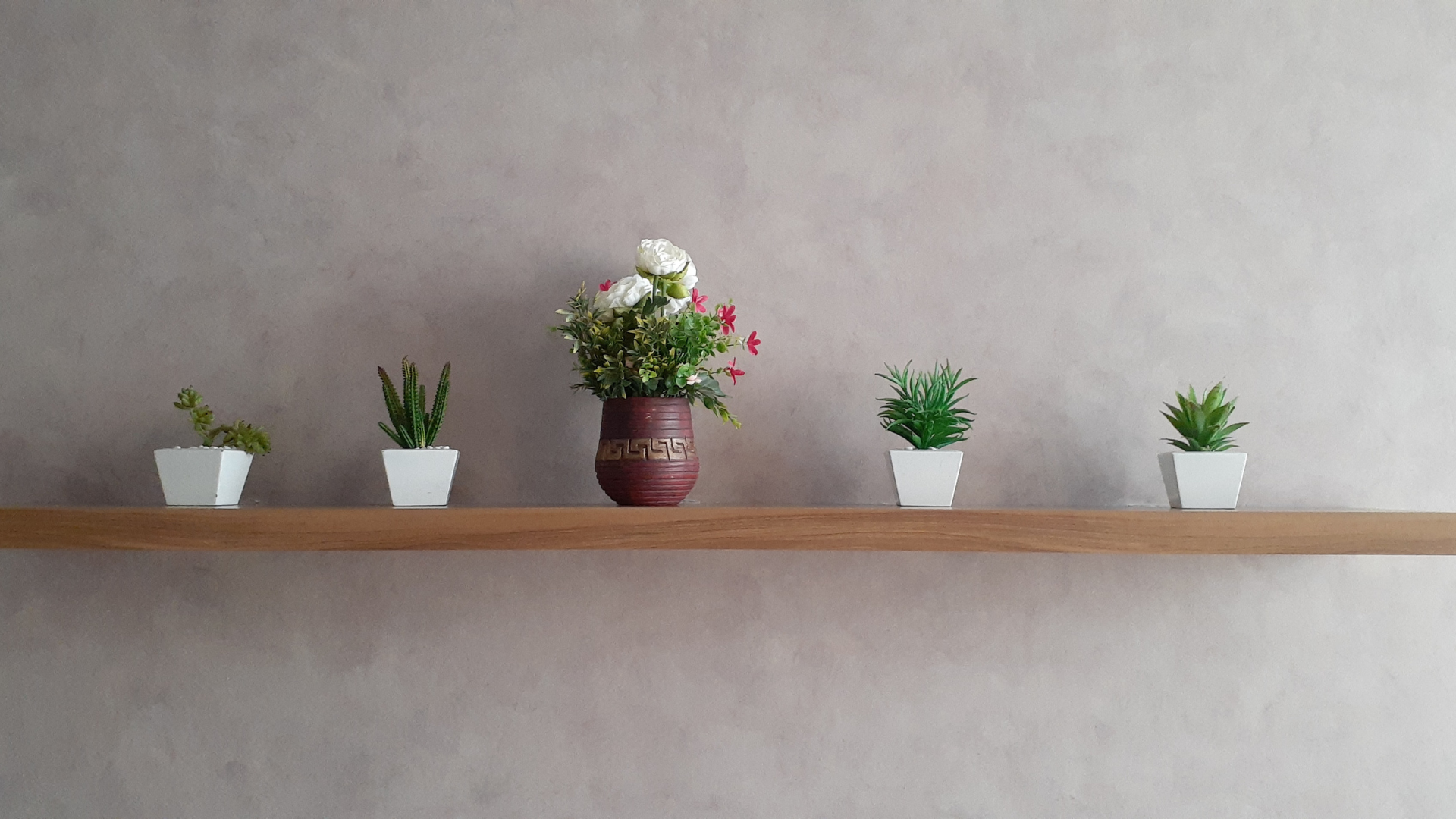
Indoor plants bring life and vibrancy to any space, enhancing both aesthetics and atmosphere. Choosing the right plants and placing them strategically can transform a dull room into a serene oasis. With a variety of sizes, shapes, and colours available, there is a perfect plant for every corner of the home.
Incorporating indoor plants is not just about beauty; it can also improve air quality and uplift mood. People can enjoy a sense of connection to nature, which often leads to increased well-being. Understanding different plant types, care requirements, and placement options adds to the overall success of a green décor strategy.
Creating an inviting environment with plants can be both satisfying and rewarding. From shelf displays to hanging arrangements, the possibilities are endless. With some creativity and knowledge, anyone can elevate their living space using indoor plants.
Understanding Indoor Plant Decor Basics
Indoor plants can significantly enhance home decor and contribute to a calming atmosphere. Proper placement and selection of plants are essential for creating a harmonious interior.
The Role of Natural Light
Natural light is a crucial factor in deciding where to place indoor plants. Most houseplants thrive in bright, indirect light, while others, like ferns and peace lilies, can tolerate lower light conditions.
Understanding the light requirements of each plant type is key to ensuring healthy growth. Plants like succulents and fiddle leaf figs thrive in bright light, while spider plants and ZZ plants can adapt to lower-light conditions.
Choosing the Right Indoor Plants
Selecting the appropriate indoor plants contributes to a successful decor scheme. Factors to consider include the plant’s growth habits, care needs, and aesthetic appeal. In order to explore stylish and durable indoor planting options, one can browse through a wide range from providers such as Plantercraft, which can offer various shapes, sizes, and finishes to complement any room and enhance the overall decor.
Popular options include air plants, which require minimal maintenance, and the versatile monstera, known for its dramatic foliage. For more traditional choices, the Boston fern and peace lily are excellent for their lush appearances. It’s essential to consider how plants will fit into the overall design theme, whether that is modern, rustic, or bohemian.
Health Benefits of Houseplants
Houseplants offer numerous health benefits that enhance indoor living. They not only purify the air but also contribute to emotional well-being.
Plants like the snake plant and spider plant are known for their air-purifying properties, effectively filtering toxins from indoor environments. Moreover, studies indicate that having greenery indoors can reduce stress and enhance mood. By incorporating plants into the decor, individuals create a more inviting and healthier atmosphere in their homes.
Stylish Plant Arrangement Ideas
Plant arrangements can transform a space, creating a vibrant atmosphere that enhances indoor aesthetics. With intentional placement and selection, individuals can achieve a lush look or a minimalist vibe. Here are several approaches to arranging plants indoors for maximum impact.
Creating an Indoor Jungle
To achieve an indoor jungle vibe, choose an array of plants with varying heights and foliage types. Incorporating large leafy plants, like monstera or fiddle leaf figs, as focal points can set the stage for this lush environment.
Position smaller plants, such as ferns and pothos, around the base for contrast. Grouping plants with similar care needs makes maintenance easier. Using textured pots, such as woven baskets or ceramic containers, adds depth to the arrangement.
Consider layering plant heights by using steps, shelves, or plant stands. This not only utilises vertical space but also creates visual interest, resembling a natural ecosystem indoors.
Elevating Spaces with Hanging Planters
Hanging planters are an excellent way to save floor space while adding greenery. They work particularly well in smaller rooms or corners where ground space is limited.
Utilising macramé plant hangers can introduce a bohemian aesthetic, while sleek metal or ceramic hangers lend a modern touch. When arranging hanging plants, select trailing species like string of hearts or ivy to create a cascading effect.
Positioning these planters at varying heights creates an engaging display. Ensure that the chosen plants receive adequate light, as some may require more brightness than others. A well-placed hanging arrangement can make a room feel airier and more inviting.
Implementing Plant Shelves and Stands
Plant shelves and stands offer a stylish way to showcase an assortment of plants. By using multi-tiered shelves or purpose-built plant stands, individuals can creatively display their collections.
Choose shelves that allow for varied heights, allowing smaller plants to be raised above larger ones. This adds an organised feel and maximises light exposure.
When arranging plants on shelves, consider mixing pots with different textures and shapes for added visual appeal. Grouping plants in odd numbers tends to create a more natural look. Accessories like books or decorative items can be added for balance, ensuring that plants remain the focal point of the setup.
Unique Plant Display Options
Incorporating indoor plants into a home can enhance its aesthetic appeal. Unique display options such as terrariums and floating shelves provide creative ways to showcase potted and trailing plants.
Terrariums and Glass Orbs
Terrariums are an excellent way to create a miniature green corner within the home. They offer a self-sustaining ecosystem that requires minimal maintenance.
Different types of terrariums include:
- Traditional Glass Terrariums: Enclosed glass containers that contain various plants, often featuring soil, rocks, and decorative elements.
- Hanging Terrariums: These can be suspended from ceilings, adding vertical interest and showcasing trailing plants.
- Succulent Terrariums: Perfect for low-maintenance options, these terrariums often feature coloured sand or pebbles, enhancing their visual appeal.
Glass orbs can also be used to display small plants. They create a modern look and can be placed on shelves or hung, adding versatility to any space.
Utilising Floating Shelves and Cabinets
Floating shelves provide an excellent way to display a collection of plants without taking up floor space. They can be installed at various heights to create an eye-catching feature wall.
Key benefits include:
- Space Efficiency: Ideal for smaller rooms, they help in utilising vertical space effectively.
- Design Flexibility: Various sizes and shapes accommodate different types of plants, from statement plants to smaller trailing varieties.
A dedicated plant cabinet can also serve as a delightful focal point. It allows for the display of potted plants while keeping maintenance easy.
The combination of shelves and cabinets can showcase an array of plants and decorative items, achieving a harmonious balance within the interior design.
Caring for Your Indoor Garden
Indoor gardens require careful maintenance tailored to the specific needs of different plants. Understanding how to care for various species ensures they thrive and enhance living spaces beautifully.
Maintenance of Different Plant Types
Different plants have unique requirements. Ivy, for example, prefers consistent moisture and indirect sunlight. Regular pruning helps maintain its shape.
Cacti thrive in dry conditions with plenty of sunlight. Water them sparingly; they typically need irrigation only when the soil is completely dry.
Orchids require a bit more attention. They thrive in a well-draining medium, and one must avoid overwatering. A humidity level of around 60% is ideal.
Snake plants are hardy and need minimal care. They can tolerate low light and require infrequent watering. Allowing the soil to dry between watering sessions is crucial.
Ensure Optimal Temperature
Keeping your indoor garden at the right temperature is one of the most critical steps toward healthy plant growth. Even a few degrees above or below optimal levels can cause stress and slow development.
During hot months, especially in desert regions, excessive heat can quickly overwhelm your garden. Using a Scottsdale AZ air conditioning service (or a similar one in your area) ensures that your indoor grow space remains cool and consistent despite extreme outdoor temperatures.
Nighttime cooling is just as important as daytime regulation. Plants often rely on cooler nights to complete certain biological processes, so a programmable HVAC system can help mimic natural conditions.
Finally, consistent temperature monitoring is essential. Pairing thermostats with your HVAC setup allows for real-time adjustments, minimizing the risks of heat stress or cold shock in your plants.
By maintaining stable temperatures year-round, you give your garden the best chance to flourish in any season. Beyond temperature, it’s equally important to protect your garden from pests. Partnering with licensed pest control in Arizona (or elsewhere), such as specialists who handle bee, wasp, and other infestations safely and humanely, ensures that your indoor space remains both healthy and enjoyable. By maintaining stable temperatures and safeguarding against pests year-round, you give your garden the best chance to flourish in any season.
Creating a Self-Sustaining Herb Garden
A self-sustaining herb garden is practical and aesthetically pleasing. Start by choosing herbs like basil, mint, and rosemary, which are easy to grow indoors.
Use containers with good drainage, as herbs require consistent moisture but dislike waterlogged soil. Regular pruning encourages growth and prevents leggy plants.
Consider introducing companion plants such as snake plants or ivy, which can naturally enrich the environment. They help regulate humidity and provide visual interest.
Incorporating cacti can also benefit the garden by promoting a diverse ecosystem. Just ensure their sunny spot does not overshadow the herbs needing indirect light.


Leave a Reply