
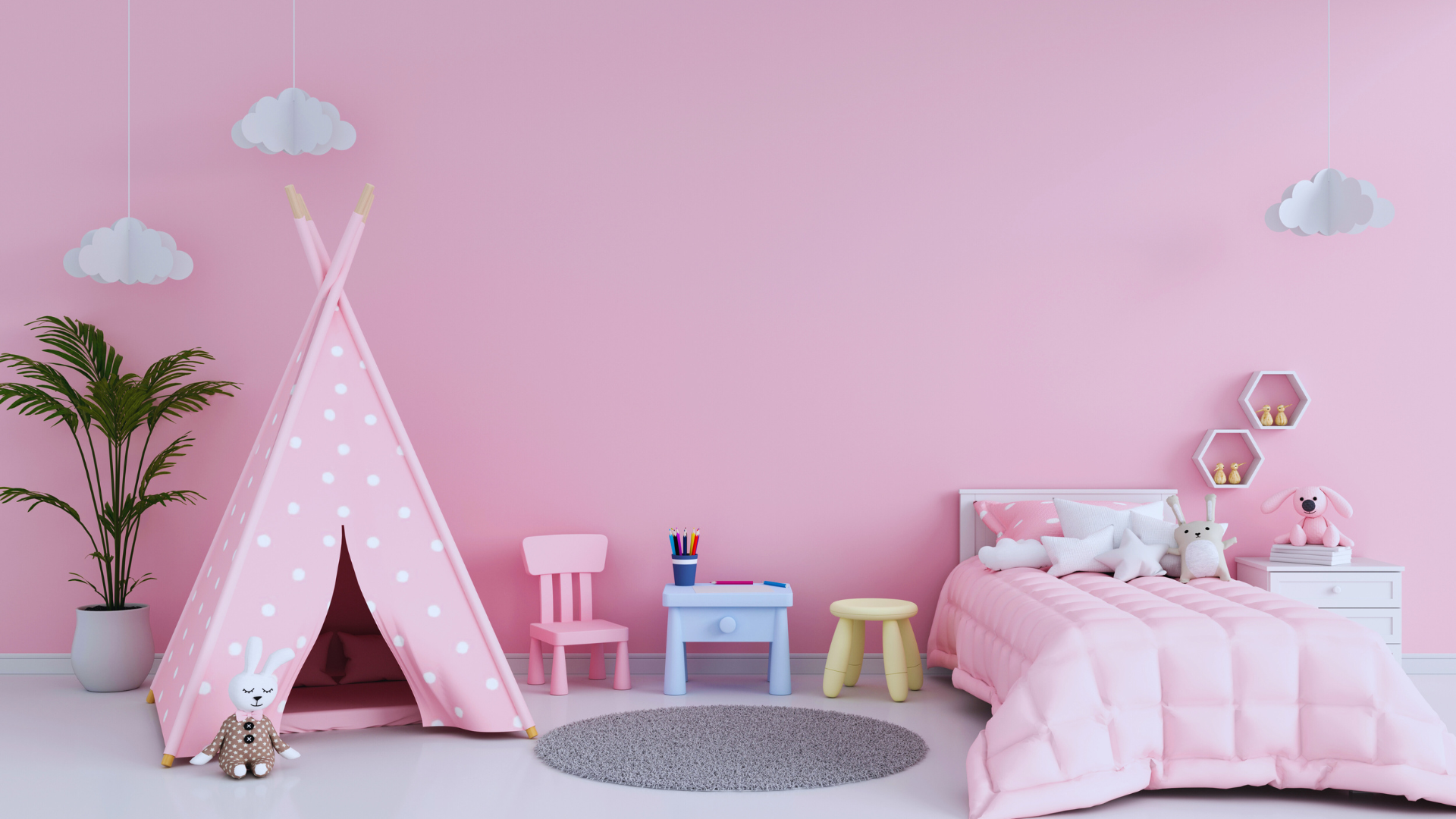
Designing your baby’s room is such a wonderful experience, isn’t it? It’s not just about arranging furniture, it’s about creating a space full of love and excitement for the newest member of your family.
That sense of anticipation makes it all the more meaningful. It’s no surprise that so many soon-to-be parents are thinking about moving to a new home as their little one’s arrival draws near.
If you’re one of those couples excitedly awaiting your baby’s arrival and considering a move, this could be the perfect time to make that decision. Moving to a new home can offer you the chance to create a space that perfectly suits your growing family.
If you’re leaning toward buying an existing home, there are plenty of options that already feature pre-built nursery spaces ready for you to personalize. But if you’re looking for something more customized to your vision, building a custom home might be the perfect choice. You can contact Hellings Builders for help with this, as they can provide expert assistance and advice. Consulting a professional is always a smart choice to ensure that you don’t make any costly or dangerous mistake.
Designing a home from the ground up gives you full control over the layout and design of each room, including the nursery. There are plenty of companies that specialize in Custom built homes on your land, or even on another plot of your choosing. You just need to discuss your ideas with them to bring your dream room to life.
Once the foundation of your home is in place, it’s time to focus on the fun part; designing your nursery! Adding those little touches, from furniture to decor and colors, can transform the space into exactly what you’ve always dreamed of.
A well-designed nursery balances comfort and practicality, ensuring safety while reflecting the parents’ personal style. From choosing the right colour palette to selecting essential furniture, each decision plays a crucial role in setting the atmosphere for your baby’s first years.
When considering baby room ideas, it is important to think about layout and storage solutions that accommodate the many items required for your newborn.
Functional storage helps keep the space organised, while elements like soft lighting and comfortable bedding contribute to a calming environment. Incorporating personal touches, such as family photos or meaningful decor, can make the nursery feel uniquely inviting.
Nursery design evolves with trends, but the core principles of safety and comfort remain timeless. By focusing on the functionality of the space without sacrificing aesthetics, parents can create a baby room that is not only beautiful but also immensely practical for everyday use.
Planning Your Nursery Layout
Creating a functional and welcoming nursery starts with thoughtful layout planning. A trusted home builder can help design a space that prioritises safety, makes the most of natural light, and includes furniture that suits both the room and your everyday needs.
Assessing the Space
First, measure the dimensions of your room to get a clear understanding of the available space. This will help in visualising where to place furniture and other essentials.
Next, consider the door positions, windows, and any built-in features like wardrobes. These elements will influence the flow and usability of the room.
Creating an outline of the room on paper or using design software can be beneficial. Sketch out various layouts to see which arrangement works best for the nursery’s needs.
Safety Considerations
Safety is paramount in a nursery layout. Ensure that heavy furniture, such as dressers and shelves, is anchored to the wall to prevent tipping.
An essential aspect of baby room design is keeping hazardous items out of reach. Opt for enclosed storage solutions for toys and other items.
Soft corner protectors on furniture can help reduce the risk of injury. Additionally, choosing round-edged furniture can provide added safety for curious little ones.
Flooring also plays a crucial role in creating a safe and comfortable environment for your baby. Babies spend a lot of time crawling, sitting, and playing on the floor, so the surface needs to be both gentle and secure.
In this regard, something like vinyl flooring can be an excellent option, as it tends to be softer underfoot than tile or hardwood. It can also be slip-resistant and easy to clean, making it ideal for a nursery setting.
Another suitable choice is cork flooring, providing a naturally cushioned surface, good insulation. It is also both eco-friendly and gentle on little feet.
Even carpet flooring can work well in a nursery, and offer warmth and a soft place for your little ones to play. No matter which type of flooring you have in mind, companies like Flooring Attic can offer a wide range of options to choose from, so you can find the right fit for your space and style.
Incorporating Natural Light
Natural light is vital in a nursery, as it promotes a cheerful atmosphere and can positively impact a baby’s mood. Identify the window placements and consider how they will influence the room’s brightness throughout the day.
Use sheer curtains or blinds to control the amount of light while maintaining privacy. This allows soft illumination without making the room feel cramped.
Design the layout to allow light to flow freely. Avoid blocking windows with large furniture, ensuring that the crib area benefits from the natural light available.
Selecting the Essential Pieces
Determine the essential furniture pieces needed for the nursery. The crib is the focal point and should be placed away from windows to avoid drafts.
A comfortable nursing chair is important, offering a space for feeding and cuddling. Ensure it is positioned near storage for easy access to essentials like blankets.
Include a changing table within reach of both the crib and the nursing chair. This promotes convenience during diaper changes while keeping everything organised and accessible.
Designing with Style and Function
In creating a baby room, a balance of aesthetic appeal and practicality is essential. Attention to colour choices, effective use of wall space, and smart storage solutions will enhance functionality while maintaining a stylish environment.
Choosing a Colour Palette
The colour palette sets the room’s tone. A neutral palette, featuring whites, greys, and soft beiges, offers a calm atmosphere. This can be accentuated with a bold wallpaper or an accent wall to create a focal point.
If you are looking for a bit more vibrancy, a muted colour palette with pastel shades like light mint or soft peach works well. Incorporating natural materials in the decor, such as wood finishes, can add warmth and texture.
Consider using murals or thematic decor to personalise the space. These elements can harmonise a sophisticated look while engaging a child’s imagination.
Utilising Wall Space
Maximising wall space can make a significant difference in a nursery. Creating a gallery wall allows for the display of artwork, family photos, or significant milestones. Using frames in varying sizes and styles can add visual interest.
Incorporating vertical elements like shelves for books and toys not only utilises wall space effectively but also promotes nursery organisation. A shiplap feature wall can enhance the design while offering a timeless quality.
Wall-mounted storage solutions save floor space while providing easy access to essentials. Items like hooks or decorative baskets can be stylishly integrated to keep frequently used items within reach.
Smart Nursery Storage Solutions
Effective storage solutions are crucial in maintaining a tidy nursery. Nursery storage solutions include multi-functional furniture, such as a changing table that doubles as a dresser.
Opt for under-crib storage bins to maximise space. This keeps items hidden while remaining easily accessible. Baskets and decorative boxes can blend seamlessly into the room’s decor while serving functional purposes.
Consider built-in shelves or cabinets to facilitate nursery organisation. They can conceal clutter without sacrificing accessibility. Investing in modular storage systems allows for flexible configurations to adapt to changing needs.
Selecting the Right Furnishings
Selecting appropriate furnishings is essential for creating a functional and welcoming baby room. The right pieces will promote comfort, ensure safety, and aid in the ease of caregiving.
Choosing a Crib
The crib serves as the focal point of the nursery. When choosing a crib, safety should be the top priority. Look for models that meet current safety standards, featuring slats spaced no more than 6 cm apart to prevent a child from getting stuck.
Materials play a significant role in durability and aesthetics. A metal crib offers a modern look and sturdiness. It’s important to select a crib that can convert as your child grows, transforming into a toddler bed or daybed, thus extending its usefulness.
Pay attention to the mattress as well. The mattress should fit snugly in the crib without any gaps. Consider hypoallergenic materials to provide a healthier sleep environment.
Integrating a Changing Table
A changing table is a practical addition to the nursery. It keeps essentials within easy reach, making diaper changes more efficient. Choose a model with safety features, such as guardrails, to prevent slips during changes.
Consider the size of the changing table in relation to the room. A compact design can save space, while larger tables may offer extra storage. Prioritising functionality is crucial; look for drawers or shelves to organise diapers, wipes, and creams.
Additionally, choosing a changing pad that can be easily cleaned will simplify maintenance. This is essential in ensuring a hygienic space for the baby.
Seating for Comfort and Bonding
Seating options in the nursery should provide comfort for caregivers. A nursery chair or rocking chair is ideal for feeding and soothing your baby. Look for upholstered chairs that offer good back support and soft, washable fabrics.
Rocking chairs promote bonding between parent and child. Consider a chair with a gentle rocking motion to aid in calming the baby. Some models also come with reclining features, which improve comfort during longer periods of sitting.
Storage options are beneficial in seating arrangements. Shelves or side tables near the chair can hold essentials like storybooks, water, or a phone. This convenience allows for uninterrupted quality time during feeds or late-night settles.
Fostering Growth and Development
A thoughtfully designed baby room can significantly enhance a child’s curiosity and exploration. Key elements include creating spaces that stimulate the senses, as well as providing adaptable environments that grow with the child.
Creating an Environment for Exploration
To promote exploration, the nursery should feature spaces that encourage movement. Soft mats and low furniture can create safe areas for infants to crawl and explore. Including a treasure basket filled with various textures and safe objects invites curiosity.
Using natural tones fosters a calming atmosphere, helping babies focus on their surroundings without distractions. Gender-neutral designs can also inspire a sense of inclusivity and openness.
Incorporating different zones, like a reading nook, promotes activities ranging from quiet play to more active engagement, providing a variety of opportunities for discovery and learning.
Stimulating Visual and Tactile Senses
Visual stimulation is crucial in a baby room design. Bright, contrasting colours and patterns can attract an infant’s attention. Wall decals and mobiles with varied shapes encourage visual tracking and engagement.
Textured materials such as soft rugs, plush toys, and woven baskets provide opportunities for tactile exploration. Including elements like fabric swatches or textured wall panels can enhance sensory experiences.
Incorporating natural light and adjustable lighting options can also affect mood and alertness. For instance, a dimmable lamp near a reading nook can facilitate relaxation while still being stimulating as the child grows.
Adapting to Different Developmental Stages
The design of a baby room should evolve as the child grows. Early years settings focus on adaptability, allowing furniture and decorations to shift in function. For example, a changing table can transform into a low bookshelf as the child matures.
Floor cushions and versatile seating are ideal for various activities, from floor play to reading.
Additionally, incorporating elements like a climbing structure or a play tunnel can encourage physical development. Creating zones for different activities helps children engage at their own pace, fostering both independence and exploration throughout their early years.



Leave a Reply