
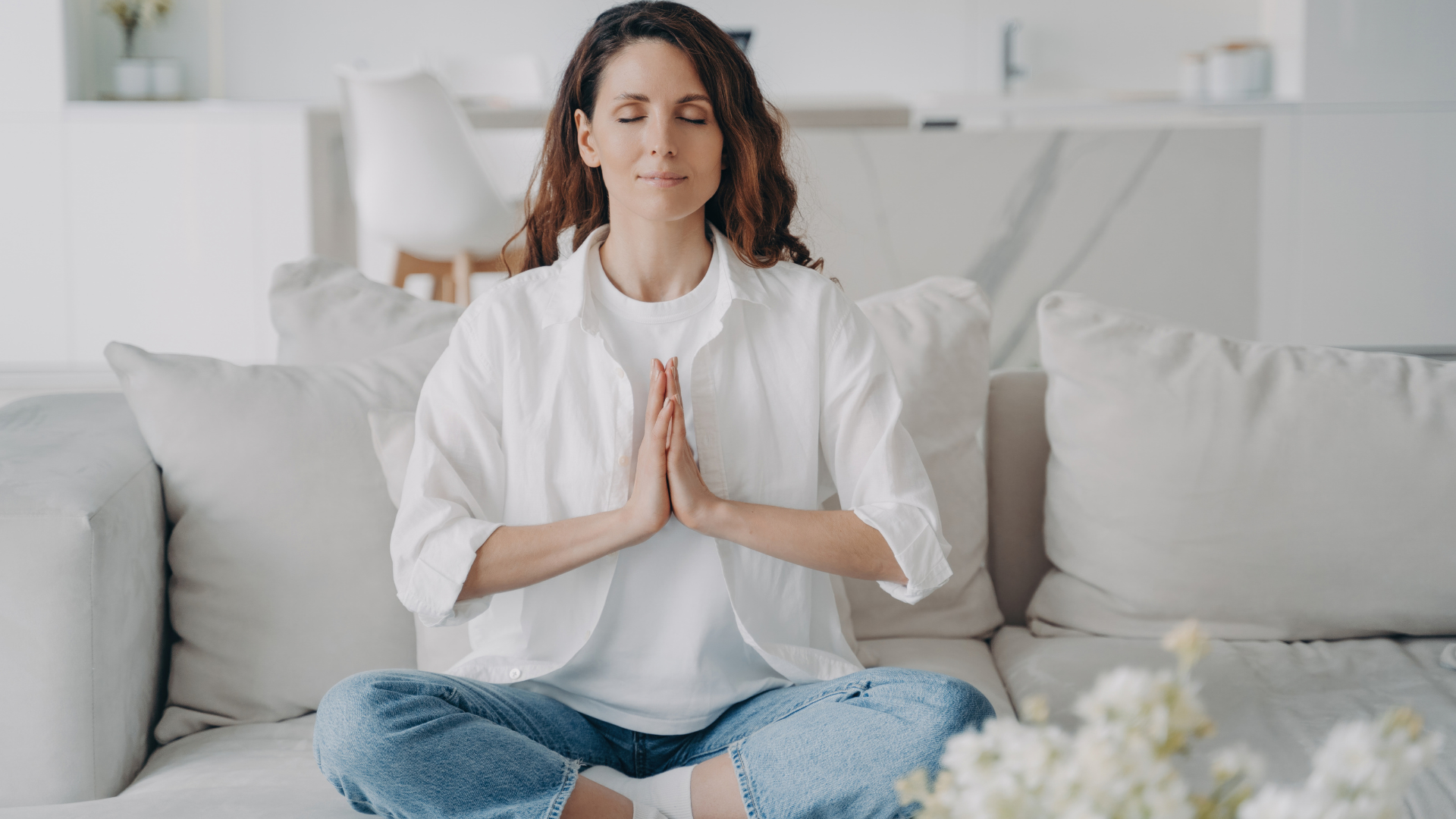
Life can often feel overwhelming, and finding effective ways to manage stress is essential for maintaining well-being. Simple steps to reduce stress include incorporating mindfulness practices, regular physical activity, and establishing a balanced routine. These approaches are not complicated and can fit into even the busiest schedules.
Mindfulness techniques, such as meditation or deep breathing exercises, can help centre the mind and foster a sense of calm. Additionally, physical activity releases endorphins, which naturally lift mood and reduce anxiety. Creating a structured daily routine can provide stability, making challenges more manageable.
By integrating these straightforward practices into daily life, individuals can significantly improve their stress levels and overall quality of life. Adopting small changes can lead to substantial benefits, making it easier to navigate life’s demands.
Understanding Stress
Stress is a natural response to demands placed upon individuals. It can manifest in various ways, affecting both mental and physical health. Identifying stress symptoms and understanding their impact is crucial for effective management.
Identifying Symptoms of Stress
Stress presents itself through a range of symptoms, both physical and emotional. Common physical signs include:
- Headaches
- Muscle tension
- Fatigue
- Digestive issues
Emotionally, stress can lead to:
- Irritability
- Anxiety
- Difficulty concentrating
Not everyone experiences stress in the same way, so it’s important to recognise personal symptoms. Keeping a journal to track feelings and triggers can assist in identifying stress patterns. Early recognition allows for timely interventions and more effective management strategies.
Stress and Health Conditions
Chronic stress has significant implications for health. It is linked to several medical issues, including:
- High blood pressure
- Heart disease
- Diabetes
Prolonged stress can weaken the immune system, making individuals more susceptible to illnesses. Mental health conditions, such as anxiety and depression, also often arise from unaddressed stress. It’s essential for individuals to monitor their stress levels, as they can lead to serious health repercussions if not managed effectively.
The Science of Stress: Cortisol and Endorphins
The body responds to stress through hormonal changes. Cortisol, known as the stress hormone, rises during stressful situations. Elevated cortisol levels can lead to negative effects, such as increased blood pressure and disrupted sleep.
Conversely, the body also produces endorphins, which help counteract stress. Endorphins can improve mood and promote a sense of well-being. Engaging in physical activity can stimulate endorphin release, providing a natural relief from stress. Understanding these hormonal responses enables individuals to make informed choices about managing their stress effectively.
Lifestyle Changes to Manage Stress
Implementing certain lifestyle changes can significantly aid in managing stress. Key factors include regular exercise, prioritising sleep, and establishing healthy boundaries, all of which contribute to resilience and effective stress management.
Exercise for Stress Relief
Regular exercise is a fundamental strategy for reducing stress. Engaging in aerobic activities, such as running, swimming, or cycling, releases endorphins, which are natural mood lifters. Aim for at least 150 minutes of moderate exercise weekly to enhance overall well-being.
In addition to boosting mood, exercise improves physical health and increases energy levels. Activities like yoga or tai chi also offer stress relief through mindful movement and breath control. Finding a type of exercise that one enjoys can result in consistency, fostering a routine that promotes stress reduction and self-care.
Importance of Sleep and Relaxation
Sleep plays a crucial role in stress management. Quality sleep helps the body recover and regulate mood. Aim for 7-9 hours of sleep per night, ensuring a consistent sleep schedule.
Incorporating relaxation techniques can significantly improve sleep quality. Methods such as deep breathing, meditation, or progressive muscle relaxation can calm the mind and prepare the body for rest. If you’re looking for an additional way to relax, consider getting a Swedish Massage in Palmetto Bay, FL (or elsewhere). Also, reducing screen time before bed and creating a soothing environment contributes to better sleep hygiene, further supporting stress management efforts.
Creating Healthy Boundaries
Establishing healthy boundaries is essential for managing stress effectively. Individuals should learn to say no to commitments that may overwhelm them. Prioritising personal time allows for self-care, which is vital for maintaining mental health.
Clear communication about needs and limitations can help reduce feelings of resentment or stress. This may involve limiting work hours or designating specific times for personal activities. By creating space for oneself, individuals can foster resilience and improve their ability to cope with life’s challenges.
Mindfulness and Cognitive Techniques
Incorporating mindfulness and cognitive techniques can significantly aid in stress reduction. These strategies empower individuals to take control of their mental well-being through practical exercises.
Practising Mindfulness and Meditation
Mindfulness involves staying present and fully engaging with the moment. This practice can be developed through daily meditation, where he or she focuses on their breath, bodily sensations, or surroundings.
Guided imagery can enhance mindfulness, allowing individuals to visualise peaceful scenes, and promote relaxation. Engaging in yoga or tai chi further supports mindfulness by combining movement with focused awareness.
Establishing a consistent routine, even for just a few minutes a day, helps cultivate a deeper state of mindfulness over time. This can lead to enhanced emotional regulation and clearer thinking.
Utilising Deep Breathing and Muscle Relaxation
Deep breathing techniques assist in activating the body’s relaxation response. By inhaling slowly through the nose, holding the breath briefly, and exhaling fully, stress levels can be reduced significantly. This practice calms the nervous system and promotes a sense of peace.
Progressive muscle relaxation is another effective method. This technique involves tensing and then relaxing different muscle groups, usually starting from the toes and moving up to the head. This approach not only releases physical tension but also fosters mental clarity and relaxation.
Incorporating these techniques into a daily routine can provide powerful tools for managing stress effectively.
Adopting Positive Self-Talk
Positive self-talk can reshape an individual’s mindset. This involves consciously changing negative thought patterns to constructive ones. By affirming capabilities and focusing on strengths, stress perception can be altered.
Practising positive affirmations daily reinforces self-worth and competence. Instead of dwelling on failures, he or she might focus on past successes and the skills required to achieve goals.
Additionally, recognising and challenging negative thoughts helps in fostering a more balanced mental outlook. This cognitive technique not only supports stress reduction but also builds resilience in the face of challenges.
Building Support and Harnessing Positive Activities
A supportive environment and positive activities can significantly reduce stress levels. Engaging in social connections, volunteering, and incorporating elements like aromatherapy and nature into daily life can foster well-being. Laughter and expressions of gratitude also contribute to a more positive mindset.
Strengthening Social Support and Volunteering
Building strong relationships is crucial for stress relief. Connecting with friends, family, or support groups can provide a sense of belonging. Regular interaction can enhance emotional resilience.
Volunteering offers both social support and a sense of purpose. Helping others through community service can create meaningful connections and boost self-esteem. Engaging in acts of kindness helps individuals redirect their focus from personal stressors, promoting mental well-being.
Incorporating Aromatherapy and Nature
Aromatherapy uses essential oils to enhance mood and relieve stress. Scents such as lavender, chamomile, and bergamot can induce relaxation. Using these oils via diffusers, baths, or topical applications can create a calming atmosphere at home.
Nature provides a restorative environment. Spending time outdoors can reduce anxiety and improve mood. Simple activities like walking in parks, gardening, or simply observing nature can lead to significant mental health benefits. Combining aromatherapy with outdoor experiences can amplify stress relief.
Embracing Laughter and Gratitude
Laughter is a powerful stress reliever. Engaging in activities that induce laughter, such as watching comedies or sharing jokes with friends, helps reduce tension. It can also release endorphins, promoting feelings of happiness.
Practising gratitude can enhance mental well-being. Keeping a gratitude journal or verbally expressing appreciation towards others fosters a positive mindset. Recognising small joys daily can shift focus away from stress, leading to a healthier outlook.



Leave a Reply