
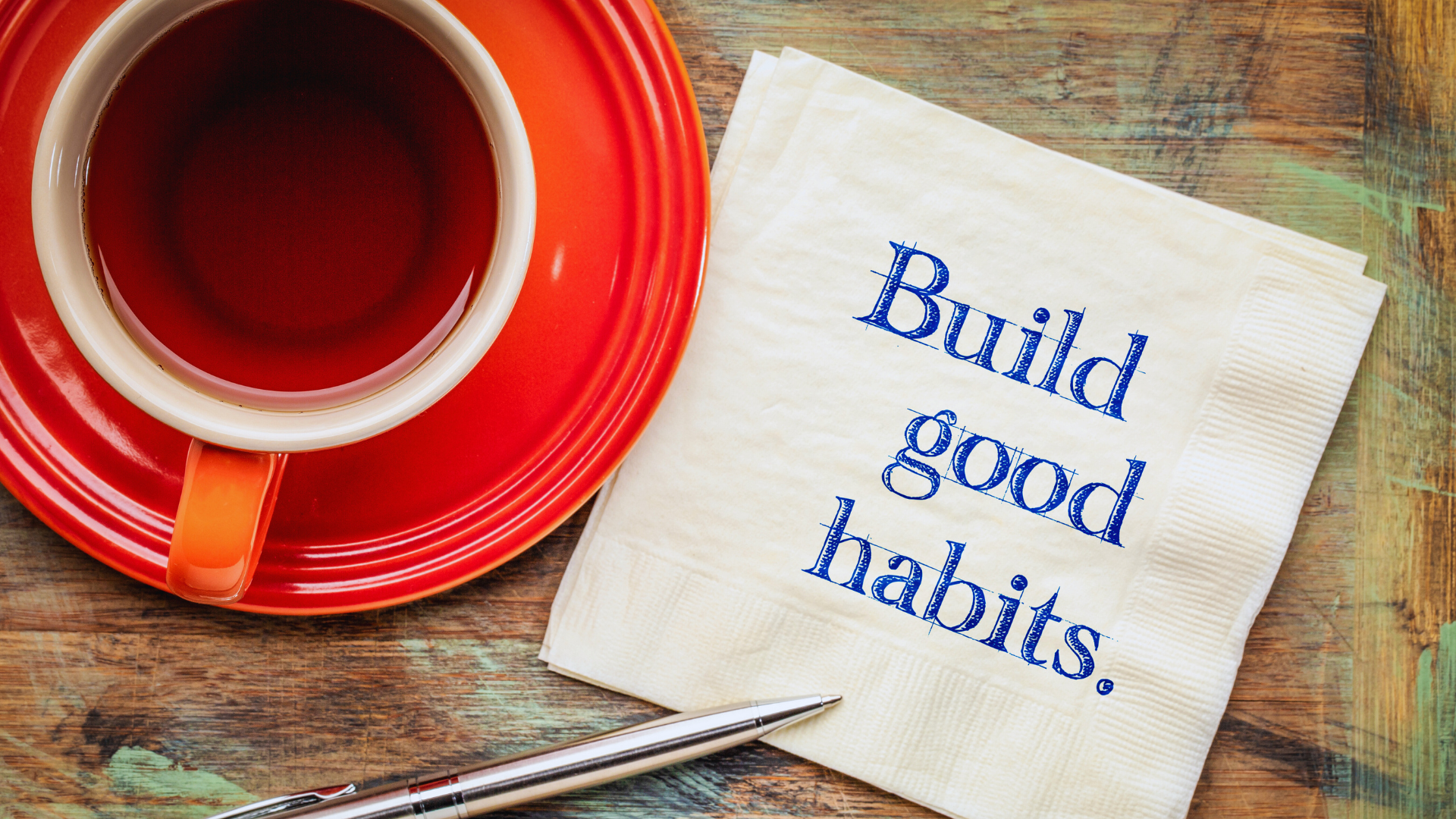
Building lasting healthy habits can transform an individual’s life, leading to improved physical and mental well-being. The key to habit formation lies in consistency and small, manageable changes that gradually become part of daily routines. This approach not only promotes health but also fosters a sense of achievement, making it easier for individuals to commit to a healthier lifestyle.
Many struggle to maintain their resolutions, often feeling overwhelmed by the prospect of major changes. By focusing on incremental improvements rather than drastic shifts, one can establish habits that endure over time. Emphasising gradual progress encourages individuals to develop a resilient mindset that embraces challenges as opportunities for growth.
Transitioning to healthier habits is a journey rather than a destination. By understanding the principles of habit formation and utilising practical strategies, anyone can make lasting changes that positively impact their health. This article will explore actionable steps to help individuals build and maintain these essential habits for a healthier, fulfilling life.
Understanding the Science of Habits
Habits are structured patterns of behaviour that develop through a predictable process. This section examines the essential components of habit formation, including habit loops, the role of triggers, and the significance of rewards.
Defining Habit Loops
A habit loop consists of three key components: cue, routine, and reward. The cue serves as a trigger prompting the individual to initiate a specific behaviour. The routine is the behaviour itself, while the reward is the positive reinforcement that follows. This reinforcement is crucial for motivation, encouraging repetition of the behaviour. For instance, if a person feels stressed (cue) and chooses to exercise (routine), the sense of accomplishment (reward) can motivate them to repeat this behaviour.
Role of Triggers and Cues
Triggers and cues play a vital role in initiating habits. They can be external, such as a time of day or a specific location, or internal, arising from thoughts and feelings. Identifying effective cues can help individuals create consistent habits. Research indicates that associating cues with specific behaviours leads to stronger habit formation. For example, placing workout clothes by the bed can serve as a visual reminder to exercise in the morning, enhancing the likelihood of sticking to the routine.
Importance of Rewards and Reinforcement
Rewards are critical in reinforcing habits. They provide a sense of satisfaction that motivates repeat behaviour. A well-timed reward can significantly enhance habit formation. For example, giving oneself a small treat after completing a workout can strengthen the association between exercise and positive feelings. This connection encourages the individual to continue the behaviour. Furthermore, varying the rewards can maintain interest and motivation, preventing habits from becoming monotonous.
Establishing Foundations for Healthy Habits
Building lasting healthy habits starts with a solid foundation in key areas such as exercise, sleep, nutrition, and mental health. Focusing on these elements can create a balanced approach to well-being.
Incorporating Regular Exercise
Regular exercise plays a critical role in establishing healthy habits. It improves cardiovascular health, increases energy levels, and boosts mood by releasing endorphins. Individuals should aim for at least 150 minutes of moderate aerobic activity each week.
Engaging in a mix of activities can prevent boredom and promote adherence. This can include walking, swimming, cycling, or dance classes. Additionally, incorporating strength training exercises at least twice weekly can enhance muscle tone and bone density.
Setting achievable fitness goals is important for self-control and motivation. Tracking progress through apps or journals can help maintain awareness of one’s journey.
Prioritising Quality Sleep
Quality sleep is essential for overall health. It affects cognitive function, emotional regulation, and physical performance. Adults should aim for 7-9 hours of sleep each night.
To improve sleep quality, individuals should establish a regular sleep schedule. Going to bed and waking up at the same time every day helps regulate the body’s internal clock. Creating a calming bedtime routine can also signal to the body that it is time to wind down.
Minimising blue light exposure from devices before bed can further enhance sleep quality. A comfortable sleep environment, including a dark, cool room, also contributes to better rest.
Nutritional Awareness and Choices
Nutritional awareness is crucial for building lasting healthy habits. Understanding food choices directly influences energy levels and overall well-being. Individuals should focus on incorporating a variety of foods, including fruits, vegetables, whole grains, and lean proteins.
Reading food labels and being mindful of portion sizes can foster better eating habits. It’s important to limit processed foods high in sugar and unhealthy fats. Planning meals in advance can help individuals make healthier choices and resist impulsive eating.
Hydration also plays a significant role in nutrition. Drinking adequate water daily supports bodily functions and can prevent overeating.
Cultivating Mental Health and Mindfulness
Mental health is a key component of overall well-being. Practising mindfulness fosters self-awareness and helps manage stress. Techniques such as meditation, deep breathing, and yoga can enhance mental clarity and emotional resilience.
Setting aside time for mindfulness sessions can create a habit of reflection and relaxation. This can improve focus and self-control, making it easier to make healthier choices in other areas.
Engaging in hobbies and social interactions also promotes mental well-being. Building a support system of friends or professionals can provide encouragement and enhance emotional health.
Practical Strategies for Habit Building
Building lasting healthy habits requires thoughtful strategies that promote consistency and engagement. By focusing on clear goals, small changes, and the use of technology, individuals can enhance their ability to form and maintain positive habits.
Setting Clear, Long-Term Goals
Setting specific, measurable, achievable, relevant, and time-bound (SMART) goals is essential for habit building. For example, rather than stating a desire to “exercise more,” an individual could aim to “attend the gym three times a week for six months.” This clarity serves as a roadmap.
Long-term goals provide motivation by offering a clear target. Individuals can break these down into smaller milestones to track progress and celebrate achievements. Consistently revisiting and adjusting these goals ensures they remain relevant and attainable, helping to sustain motivation over time.
Employing Habit Stacking and Small Changes
Habit stacking involves linking a new habit to an existing one. For instance, if someone wishes to start meditating, they could do it immediately after brushing their teeth. This method reinforces the new behaviour through association.
Making small changes is equally effective. Instead of attempting drastic lifestyle changes, individuals can incorporate manageable adjustments into their daily routine. For example, reducing sugar intake can begin with simply substituting one sugary drink per day for water. These incremental modifications are less daunting and promote sustainable habits.
Leveraging Technology for Consistency
Technology plays a vital role in maintaining consistency. Fitness apps, reminders, and tracking tools can effectively support habit formation. For instance, using a habit tracker allows individuals to log their daily activities and monitor their progress visually.
Additionally, wearables like smartwatches can provide reminders and real-time feedback on fitness goals. Notifications can encourage individuals to remain proactive. By leveraging these tools, individuals can create an environment conducive to habit building and consistency.
Overcoming Setbacks and Maintaining Motivation
Setbacks are an inevitable part of the habit-building process. Recognising this can help individuals approach challenges with resilience. Instead of viewing setbacks as failures, they can be seen as opportunities for growth and learning.
Maintaining motivation can involve rewarding oneself for small victories. Establishing a reward system encourages continued effort even when faced with obstacles. Furthermore, surrounding oneself with supportive social networks can provide encouragement and accountability, making the journey less isolating.
Fostering Supportive Environments and Relationships
Creating an environment that promotes healthy habits relies heavily on relationships and physical spaces. By nurturing supportive connections and designing conducive settings, lasting changes can be more easily achieved.
Influencing Positive Change in Personal Relationships
Building healthy habits often involves the influence of others. To cultivate positive change, individuals can surround themselves with friends and family who share or support their goals.
Key strategies include:
- Open Communication: Sharing goals fosters accountability and encouragement.
- Mutual Support: Engaging in activities together, such as exercising or meal preparation, strengthens bonds while reinforcing healthy behaviours.
- Setting Boundaries: Distancing from negative influences can help maintain focus on personal health ambitions.
The presence of supportive individuals can significantly impact motivation and resilience during challenging moments.
Creating Spaces Conducive to Healthy Routines
Optimising the surrounding environment plays a crucial role in establishing healthy routines. This includes arranging spaces to make healthy choices more accessible.
Important considerations are:
- Decluttering: Removing distractions and unhealthy options from view can promote better choices.
- Designated Areas: Creating specific zones for activities, like cooking or exercising, can enhance focus and make routines feel more intentional.
- Accessibility: Keeping healthy snacks visible and arranging furniture to support fitness practices can encourage regular participation.
A well-structured environment combined with supportive relationships can simplify the journey towards lasting healthy habits.



Leave a Reply