
Creating a cosy living room is essential for fostering comfort and relaxation in any home. Incorporating warm colours, layered textures, and inviting furnishings can transform a space into a welcoming retreat. This blog post explores design tips that enhance the atmosphere, making it perfect for both quiet evenings and social gatherings.
Design inspiration can significantly influence how a living room feels. Choices such as incorporating soft lighting, personal decor, and comfortable seating can lead to a space that feels both stylish and intimate. Exploring various living room ideas allows individuals to tailor their environment to reflect their personality while maintaining a sense of comfort.
Understanding the principles of interior design can help anyone curate their ideal living room. From selecting the right colour palette to choosing accessories that promote a warm ambience, thoughtful choices can elevate any space. Embracing these design tips can lead to a living room that is not just aesthetically pleasing but also a true sanctuary for its occupants.
Starting with the Basics: Layout and Colour Palette
Creating a cosy living room begins with thoughtful consideration of layout and colour. These foundational elements serve to create an inviting atmosphere, where comfort and style coexist harmoniously.
Optimising Your Living Room Layout
A well-planned layout enhances functionality and comfort. Start by assessing the size and shape of the room. Consider placing the furniture to facilitate conversation. Arranging seating in a circle or U-shape encourages a social environment.
Key Tips for Layout:
- Focal Point: Identify a focal point, such as a fireplace or large window. Position furniture to highlight this feature.
- Traffic Flow: Ensure there is enough space for movement. Avoid blocking pathways to prevent a cramped feel.
- Zone Creation: Use rugs or furniture to define different areas, like reading nooks or entertainment zones, enhancing the room’s versatility.
A balanced layout maximises both aesthetics and usability, establishing a warm, inviting space.
Choosing a Warm Colour Palette
The right colour palette influences mood and ambience. Warm colours, such as earthy tones, create a sense of comfort and welcome. Shades like terracotta, soft browns, and warm greys work particularly well.
Suggestions for Paint Colours:
- Accent Walls: Consider a bold accent wall in a warm hue to add depth.
- Soft Neutrals: Pair bold colours with softer neutrals to maintain balance.
- Warm Undertones: Select colours with warm undertones to ensure a cohesive look throughout the room.
Incorporating cushions, throws, and artwork in complementary colours enhances the warmth, making the living room a relaxing retreat.
Managing Temperature for Year-Round Comfort
A cosy living room isn’t just about appearance-it also relies on maintaining a comfortable temperature throughout the seasons. Whether it’s the chill of winter or the heat of summer, ensuring your space remains temperate plays a key role in fostering relaxation and wellbeing.
Simple additions like thermal curtains, draft excluders, or even ceiling fans can support temperature regulation while complementing your décor. And if you’re looking for more reliable climate control, considering a professional service such as a Baltimore MD air conditioning service, or a more local service, can be a practical step. This is especially useful for maintaining a consistent, pleasant atmosphere-essential for a truly cosy home.
Textiles and Texture: Adding Depth and Comfort
Incorporating various textiles and textures is essential for creating a cosy living room. By layering rugs, selecting the right cushions, and choosing soft furnishings, a space can be transformed into a warm and inviting environment.
Layering Rugs and Throws
Layering rugs adds depth to the flooring while providing comfort underfoot. A plush rug can be placed on top of a larger, more neutral foundation rug. This approach not only enhances the visual interest of the room but also introduces different textures that invite relaxation.
Throws are an excellent accessory for a living room. A soft, knitted throw can be draped over the back of a sofa or armchair, offering a casual yet stylish look. Selecting colours and patterns that complement the existing decor is crucial to maintaining harmony within the space.
The Importance of Cushions
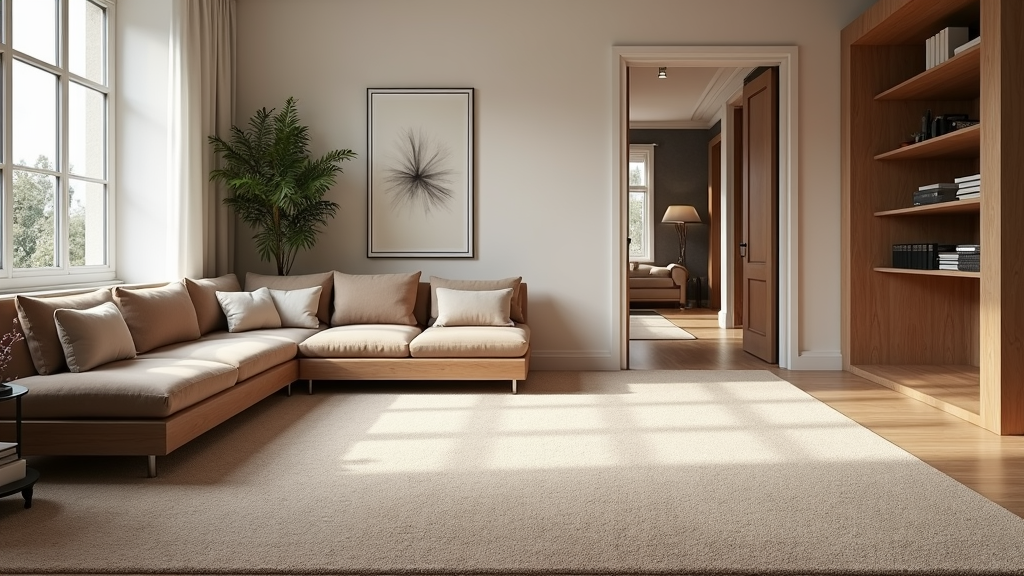
Cushions play a vital role in enhancing comfort. Opting for a variety of cushions in different shapes and sizes adds visual appeal. Velvet cushions are particularly effective for introducing a touch of luxury, while cotton or linen options provide a more casual feel.
When choosing cushions, consider texture and firmness. Mixing plush cushions with firmer ones allows for versatility in seating while ensuring guests have various options for comfort. There is also an opportunity to use patterns for dynamic layering, which contributes to the overall warmth of the room.
Selecting Soft Furnishings
Soft furnishings, including curtains and blinds, can dramatically change a room’s mood. Heavy, textured curtains help insulate and provide a cosy feel, especially in colder months. Light, airy fabrics work well for adding a sense of space and elegance.
Choosing the right colours and patterns for soft furnishings is fundamental. Neutral hues can create a soothing atmosphere, while bolder choices can make a statement. Incorporating different materials, such as velvet for curtains and a soft rug, will add complexity to the design while ensuring comfort and style.
Illumination Matters: Lighting for Ambience
Effective lighting is crucial for creating a cosy atmosphere in a living room. By combining different types of lighting, it is possible to achieve a warm and inviting space that caters to various activities and moods.
Ambient Lighting for a Welcoming Glow
Ambient lighting provides the foundation for a pleasant environment. This type of lighting offers a soft, even glow that makes the room feel inviting. Popular choices for ambient lighting include ceiling fixtures, chandeliers, and wall sconces.
Warm light bulbs are preferable, as they create a comfortable atmosphere. Lamps with dimmer switches can adjust the brightness based on the time of day or occasion.
Incorporating floor lamps can add layers to the lighting design. They allow for flexibility in placement and enhance the room’s aesthetic. Using multiple sources is key to achieving an inviting ambience.
Task Lighting and Accent Pieces
Task lighting is essential for specific activities such as reading, working, or crafting. It should be bright enough to illuminate the area without causing glare.
Table lamps placed on side tables or desks are ideal for directed lighting. Adjustable lamps, such as swing-arm styles, provide flexibility for varied tasks.
Accent lighting adds depth and interest to a living room. This can include spotlights to highlight artwork or architectural features. These lights can be incorporated into bookshelves or used to illuminate decorative pieces.
By thoughtfully positioning tasks and accent lighting, one can enhance functionality without sacrificing warmth.
Decorative Fairy Lights and Candles
Fairy lights contribute a whimsical touch while providing gentle illumination. They can be draped over furniture, strung along walls, or incorporated into centrepieces. Their soft glow creates a serene atmosphere that enhances a cosy setting.
Scented candles are another effective way to create ambience. They not only offer warm lighting but also add pleasant fragrances that promote relaxation.
Choosing candles of varying heights can create visual interest. Grouping them on trays or in clusters adds to the décor while utilising layered lighting techniques.
Both fairy lights and candles significantly enhance the mood of a living room, making it a welcoming retreat.
Personalising Your Space: Accessories and Touches
Creating a cosy living room involves incorporating personal touches and selecting accessories that reflect individual style. By choosing functional storage solutions and integrating natural elements, one can enhance both aesthetics and comfort in the space.
Incorporating Personal Touches
To personalise a living room, accessories play a crucial role. Family photographs displayed in stylish frames can evoke warmth and memories. Additionally, incorporating artwork that resonates with one’s taste adds character. Consider creating a gallery wall, combining different frames and art styles for visual interest.
Textiles also contribute significantly. Choose cushions and throws with diverse patterns and textures to invite a sense of comfort. These finishing touches make the space feel lived-in and uniquely theirs.
Choosing Functional yet Stylish Storage
Choosing storage solutions that combine functionality with style is essential. Bookshelves can serve as more than just storage; they can showcase one’s book collection, decorative items, and travel souvenirs. Opt for open shelving that allows for display, making the room feel more inviting.
Baskets provide excellent storage options while adding texture. Consider woven baskets to store blankets or magazines, keeping them within reach yet neatly tucked away. This practicality helps create an organised space without sacrificing style.
Adding Life with Houseplants and Natural Elements
Houseplants are a powerful addition to any living room, introducing colour and life. They improve air quality and create a more inviting atmosphere. Choose plants that thrive indoors, such as snake plants or pothos, for minimal maintenance.
Natural elements like wood or stone can enhance the room’s warmth. Incorporate a wooden coffee table or stone planters for a grounded feel. Wallpaper with botanical prints can also evoke nature, bringing the outdoor elements inside without overwhelming the space.


Leave a Reply