

Self-care is not merely a trend; it is an essential practice for enhancing well-being and quality of life. Prioritising self-care allows individuals to recharge, reduce stress, and cultivate a healthier mindset, ultimately fostering resilience against daily challenges. Many overlook its significance, assuming that self-care is solely about indulgence, yet it encompasses a range of activities that promote mental, emotional, and physical health.
Incorporating self-care into daily routines can lead to profound changes. It can improve mood, boost productivity, and strengthen relationships with others. When individuals invest time in themselves, they create a more balanced life that reflects their needs and aspirations.
Understanding the importance of self-care is vital for one’s overall health. It empowers individuals to take proactive steps toward enhancing their quality of life, making it essential for sustained happiness and well-being.
Understanding Self-Care
Self-care is a vital practice that encompasses various aspects of health and wellness. It involves deliberate actions to maintain and enhance one’s physical, mental, and emotional well-being. Recognising and engaging in self-care can lead to improved quality of life and resilience against stressors.
The Concept of Self-Care
Self-care refers to the practices individuals engage in to nurture their overall health. This includes activities that promote physical health, such as regular exercise, balanced nutrition, and sufficient sleep. Each action contributes to maintaining the body’s functionality and preventing illness.
In addition to physical activities, self-care also encompasses habits that foster mental wellness. Engaging in hobbies, setting aside time for relaxation, and practising mindfulness are essential components. These activities help to alleviate stress and provide mental clarity.
Developing a personalised self-care routine can result in increased productivity and satisfaction in daily life. It is important to remain attentive to one’s needs and adjust practices accordingly.
Self-Care Encompassing Mental and Emotional Health
Mental and emotional health are integral parts of self-care. Engaging in self-reflection and seeking social support are crucial for maintaining emotional stability. Talking to friends or professionals helps individuals process their feelings, contributing to emotional resilience.
Practices such as journaling and meditation can enhance mental clarity and emotional regulation. They allow individuals to explore their thoughts and feelings in a safe space.
Additionally, setting boundaries in personal and professional relationships is a vital self-care strategy. This helps prevent burnout and ensures that one’s emotional health remains a priority. Prioritising mental and emotional well-being ultimately fosters a more balanced and fulfilling life.
Practical Aspects of Self-Care
Self-care encompasses various practical elements essential for maintaining well-being. By focusing on daily routines, physical activity, relaxation techniques, and proper nutrition, individuals can enhance their overall health and quality of life.
Routine Elements for Well-Being
Establishing a consistent daily routine is vital for promoting emotional and physical health. This can include setting specific wake-up and sleep times to ensure adequate rest.
Creating a structured schedule helps in managing tasks effectively, reducing stress, and adding predictability to one’s day. Incorporating habits like morning mindfulness or journaling can foster a positive mental outlook.
Another key component is grooming, which can be seamlessly integrated into a daily self-care routine. For instance, individuals might benefit from regular haircuts or trims from an experienced hairstylist, such as those at trusted salons like Teds Grooming Room. These practices help maintain a polished appearance and enhance personal well-being.
Finally, regularly reviewing and adjusting one’s routine enables adaptability, ensuring that self-care practices remain relevant and effective. Striving for a balanced approach between productivity and downtime supports mental clarity and resilience.
Physical Activity and Exercise
Engaging in regular exercise is crucial for both physical and mental health. Activities such as walking, running, or attending yoga classes increase endorphin levels, which can enhance mood and decrease feelings of anxiety.
A balanced exercise regimen includes cardiovascular, strength, and flexibility training. Aim for at least 150 minutes of moderate aerobic activity each week, complemented by muscle-strengthening activities twice a week. Moreover, incorporating varied exercise routines can prevent monotony and encourage adherence. Investing time in physical activity contributes to better sleep patterns and energy levels throughout the day.
Additionally, for those striving to get into shape or address stubborn areas resistant to exercise, alternative procedures such as body contouring or sculpting can complement their fitness efforts. When performed by qualified professionals at reputable clinics like Nazarian Plastic Surgery, these treatments can help refine body shape, enhance confidence, and support overall wellness goals.
Relaxation and Stress Management
Finding effective relaxation techniques is essential for managing daily stress. Practices such as deep breathing, meditation, and yoga can significantly lower stress levels and promote relaxation.
Creating a calm environment can enhance relaxation practices. This may involve setting aside a dedicated space for meditation or using calming scents like lavender.
Scheduled breaks throughout the day for short physical activities or mindfulness can prevent burnout. Prioritising regular downtime and engaging in hobbies also supports mental well-being.
Nutrition and Eating Well
A well-balanced diet is integral to self-care. Eating a variety of foods rich in vitamins, minerals, and antioxidants supports overall health.
Incorporate fruits, vegetables, whole grains, and lean proteins into daily meals. Planning meals in advance can minimise unhealthy snacking and ensure nutritious options are readily available.
Staying hydrated is equally important. Aim for eight glasses of water daily. Paying attention to portion sizes and listening to hunger cues can help in making healthier dietary choices, enhancing both physical energy and mental clarity.
Self-Care and Healthcare Systems
Self-care plays a crucial role in enhancing healthcare systems by empowering individuals and collaborating with health services. Effective self-care can lead to improved health outcomes and a more efficient use of resources within the health system.
Role of Health Services and Providers
Health services and providers are vital in promoting self-care. They can educate patients about the importance of managing their own health, encourage healthy behaviours, and offer resources for self-care practices.
Primary health care practitioners, such as general practitioners and nurses, are often the first point of contact. They can advise patients on lifestyle changes and provide preventive services.
In addition to general health advice, it can be important to consider looking into complete health management. For example, seeking a Canadian Dental Care Plan consultation can provide excellent information on the dental care coverage options available to an individual. Such consultations help identify the different preventative care and health practices, ensuring that individuals are informed about maintaining their health.
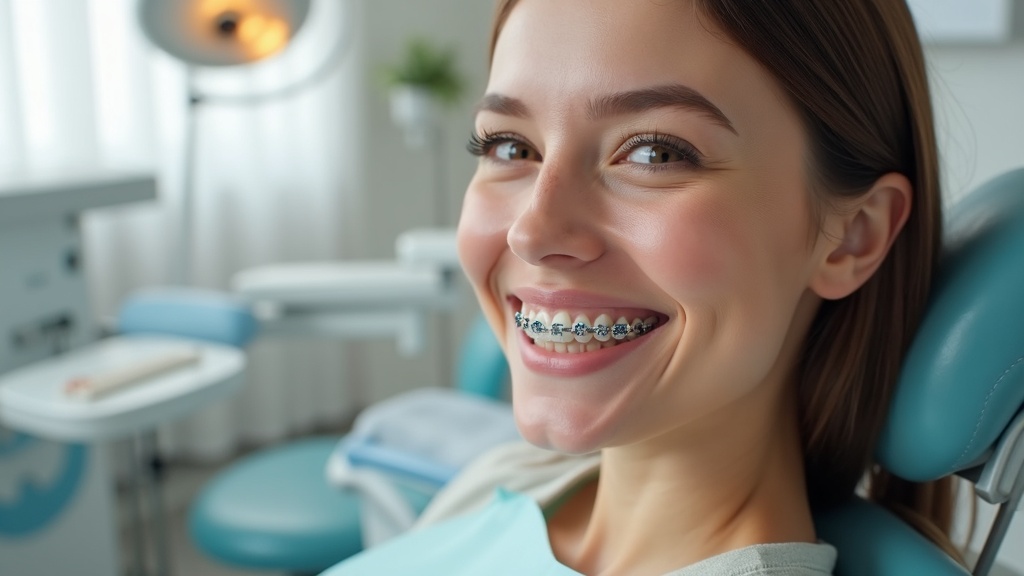
Maintaining a bright smile is a common goal for many people who value their appearance. Some people think about improving their teeth while they are already getting corrective work done. For example, most dentists suggest waiting until braces come off before pursuing whitening treatments. This helps avoid uneven colouring where the brackets were attached, ensuring the final result looks consistent and uniform. Taking the time to plan dental treatments carefully is ultimately an act of self-care, helping individuals feel confident and in control of their long-term health.
The World Health Organization emphasizes the need for integrated health systems that include self-care as a key component. This approach supports universal health coverage by preventing disease and reducing healthcare costs.
Self-Care Interventions and Public Health
Public health initiatives increasingly focus on self-care interventions to enhance community well-being. These strategies often include education campaigns that promote preventive care, mental health awareness, and healthy lifestyle choices.
Self-care programmes may involve mobile health apps or community workshops that assist individuals in managing conditions like diabetes or hypertension. Such initiatives empower patients to take an active role in their health.
Additionally, collaboration among health workers and community organisations enhances the reach of these interventions. Health systems can leverage these partnerships to increase awareness and facilitate access to resources, ultimately improving health outcomes across populations.
Challenges and Solutions in Self-Care
Self-care is essential for well-being, yet certain challenges can hinder its practice. Addressing issues like health disparities and the lingering effects of COVID-19 is crucial for fostering effective self-care routines.
Addressing Health Disparities
Health disparities affect individuals’ abilities to engage in self-care, often influenced by socio-economic status, ethnicity, and gender. Many individuals face barriers such as limited access to health facilities and insufficient healthcare resources.
For example, people in low-income areas may lack the necessary information or tools to develop a self-care plan. This can lead to negative health outcomes.
To combat these disparities, community programmes can be established to provide education and resources. Gender equality initiatives can ensure that women, in particular, have equal access to self-care opportunities.
The Impact of COVID-19 on Self-Care Practices
The COVID-19 pandemic has significantly altered self-care practices across various demographics. Isolation and restrictions have limited access to social support, which is vital for maintaining mental and physical health.
Additionally, many individuals found it challenging to adhere to their self-care routines due to changes in daily life. Health facilities were disrupted, causing delays in receiving care or support.
Technology can play a role in overcoming these barriers. Virtual health consultations and online resources can help individuals maintain their self-care despite physical restrictions. Reinforcing the importance of human rights and access to self-care during this time is critical for recovery.



Leave a Reply