
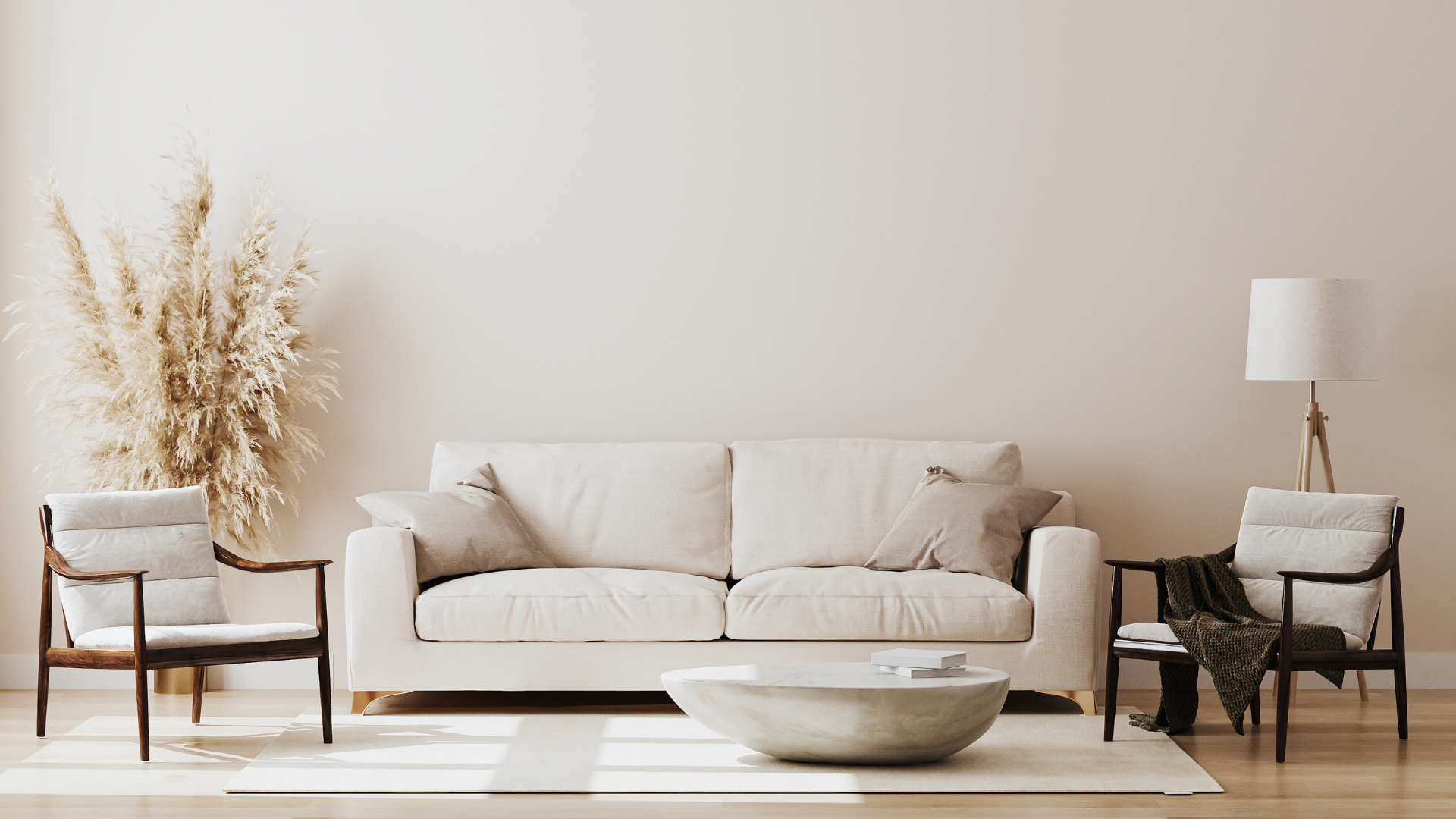
Choosing décor that reflects one’s soul means selecting items that resonate deeply with personal values, memories, and unique tastes. It is about creating a living space that feels authentic and meaningful, rather than simply following trends or copying styles. This approach brings comfort and a true sense of belonging.
People often overlook how décor can express identity and mood. By paying attention to colours, textures, and objects that inspire or calm, a space can become a reflection of the inner self rather than just a visual display.
Understanding what truly matters to the individual helps guide choices that enrich daily life and boost wellbeing. This makes décor not just decorative but purposeful, linking outer surroundings to inner feelings.
Understanding Décor That Reflects Your Soul
Décor that truly mirrors a person’s inner self requires careful thought about what feels authentic and meaningful. It involves recognising one’s personal values, style preferences, and the desire to create a space that resonates beyond trends or external expectations.
The Role of Self-Expression in Interior Design
Self-expression in interior design allows individuals to communicate their personality and life experiences through their living environment. This can be achieved by selecting colours, textures, and objects that evoke certain emotions or memories.
Choices like family heirlooms, artworks, or travel souvenirs often serve as physical representations of one’s story. It transforms a house into a personal sanctuary where identity is visible and celebrated.
Design decisions become a language in itself, reflecting moods and aspirations without needing words. This makes the space uniquely theirs, not just a copy of popular style.
Identifying Core Values and Personal Style
Identifying core values involves reflecting on what truly matters, such as comfort, sustainability, or creativity. These values guide practical choices like materials used or the layout of a room.
Personal style is shaped by preferences in colour palettes, patterns, and furniture types. For instance, someone valuing calmness might lean towards neutrals and soft textures, while a lover of boldness might pick striking shapes and vibrant shades.
A clear list can help here:
- Core Values: Comfort, functionality, authenticity.
- Style Markers: Minimalism, eclectic, rustic, modern.
Aligning these factors ensures décor feels natural and supportive of daily life, not forced or mismatched.
Embracing Individuality Over Trends
Prioritising individuality means focusing on what feels right, not what is currently fashionable. Trends come and go; décor that reflects the soul remains relevant through loyalty to personal taste.
Combining unique pieces with classic staples creates permanence. For example, a vintage lamp paired with a timeless sofa balances distinctiveness and longevity.
Avoiding mass-produced items that lack character helps keep the space authentic. It encourages choosing handmade or bespoke pieces that tell a story and enhance uniqueness.
This approach fosters a sense of ownership and pride in one’s environment that trends alone cannot provide.
Foundational Elements for Soulful Décor
Soulful décor begins with carefully chosen elements that resonate on a personal level. Colours, textures, artworks, sculptures and carefully selected collectables form the core, creating spaces that speak quietly yet directly to the individual’s inner life.
Choosing Meaningful Colours and Textures
Colours evoke emotion and set the tone for a room. Warm hues like terracotta or ochre can feel grounding, while soft blues and greens promote calm. Choosing colours should align with the atmosphere the individual wants to create, whether energising or restful.
Textures add depth and a tactile connection. Natural fibres such as linen, wool and cotton invite comfort and warmth. Combining rougher materials like reclaimed wood with smooth metals or glass introduces contrast, which keeps a space interesting without overpowering the senses.
Both colour and texture must harmonise to avoid visual chaos. The balance between bold and muted shades, as well as rough and soft surfaces, creates a layered yet coherent environment.
Selecting Photographs and Artworks
Photographs with personal significance anchor a space. Images of family, meaningful places or moments evoke memories and identity. Choosing frames and placements that enhance rather than distract from these photos is crucial for a seamless look.
Artworks should reflect personal taste and stories. Abstract paintings, landscapes, or portraits with emotional weight resonate more deeply than generic prints. Attention should be given to scale and colour harmony with the room to ensure the art feels integrated, never isolated.
Displaying these pieces prominently encourages daily reflection and deepens the connection between the inhabitant and their surroundings.
Incorporating Sculptures and Collectables
Sculptures introduce form and volume beyond flat surfaces. Small-scale pieces placed on shelves or tables provide points of interest without overwhelming the room. Larger sculptures can serve as focal points if positioned strategically.
Collectables with sentimental value enhance authenticity. Items such as heirlooms or travel souvenirs create narrative layers within the décor. Curating these thoughtfully prevents clutter and maintains visual clarity.
Both sculptures and collectables should complement the room’s overall style and colour scheme, reinforcing the space’s personal meaning through tangible objects.
Personalising Your Space With Unique Details
Choosing distinctive elements can transform any room into a reflection of individual style. Emphasising personal interests, mixing design eras, and customising furniture are key ways to create a meaningful environment.
Showcasing Hobbies and Passions
Incorporating elements linked to hobbies makes a space authentic. For example, a musician might display instruments prominently or use sheet music framed on walls. An avid reader could integrate built-in bookshelves filled with their favourite titles, creating both visual interest and function.
Displaying collections, such as ceramics or travel souvenirs, adds character. It also provides conversation starters and a glimpse into what the occupant values. These thoughtful touches ensure the room goes beyond basic aesthetics.
Blending Vintage and Modern Pieces
A balance of old and new creates depth and personality in décor. Mixing vintage items, such as a retro armchair or an antique mirror, with sleek modern furniture builds contrast. This approach prevents a space from feeling too uniform or sterile.
Careful pairing is crucial. The colour palette and materials should complement each other. For instance, combining a mid-century teak coffee table with minimalist metal chairs can unify styles while keeping the room engaging.
Customising Furniture and Accessories
Custom pieces reflect individuality and optimise the use of space. Modifying furniture, like repainting a wardrobe in a preferred colour or reupholstering a sofa with a unique fabric, personalises the environment effectively.
Accessories offer quick, less expensive customisation. Handcrafted cushions, bespoke lampshades, or personalised artwork add distinctiveness without major investment. These small custom touches reinforce the room’s uniqueness and personal resonance.
Bringing It All Together: Creating a Cohesive Sanctuary
Creating a living space that truly resonates requires thoughtful attention to how different elements work in harmony. The balance between personal growth and practical needs plays a key role in shaping an environment that feels both authentic and comfortable.
Curating Spaces That Evolve With You
A home should reflect changes in taste, hobbies, and lifestyle over time. Selecting décor that can adapt—such as neutral base colours with accent pieces—helps maintain relevance without a complete overhaul.
Using modular furniture or interchangeable accessories offers flexibility. For example, lightweight cushions, throws, or art prints can be swapped out seasonally or as interests shift. This approach prevents stagnation and keeps the environment fresh.
Personal collections like books, artwork or souvenirs should be displayed in a way that can grow or change without crowding. Open shelving or rotating displays allow for easy updates while maintaining a cohesive look.
Balancing Aesthetics and Functionality
Design choices must complement daily routines to ensure usefulness and comfort. Practical elements like storage solutions and lighting are as important as visual appeal.
Furniture should support activities—such as a comfortable chair for reading or a sturdy desk for working—while matching the room’s style. Choosing materials and colours that are both durable and easy to clean maximises longevity.
Lighting layers, including task, ambient, and accent, help create atmosphere and meet different needs. Incorporating dimmers or adjustable fixtures offers control over mood and functionality in one space.


Leave a Reply