
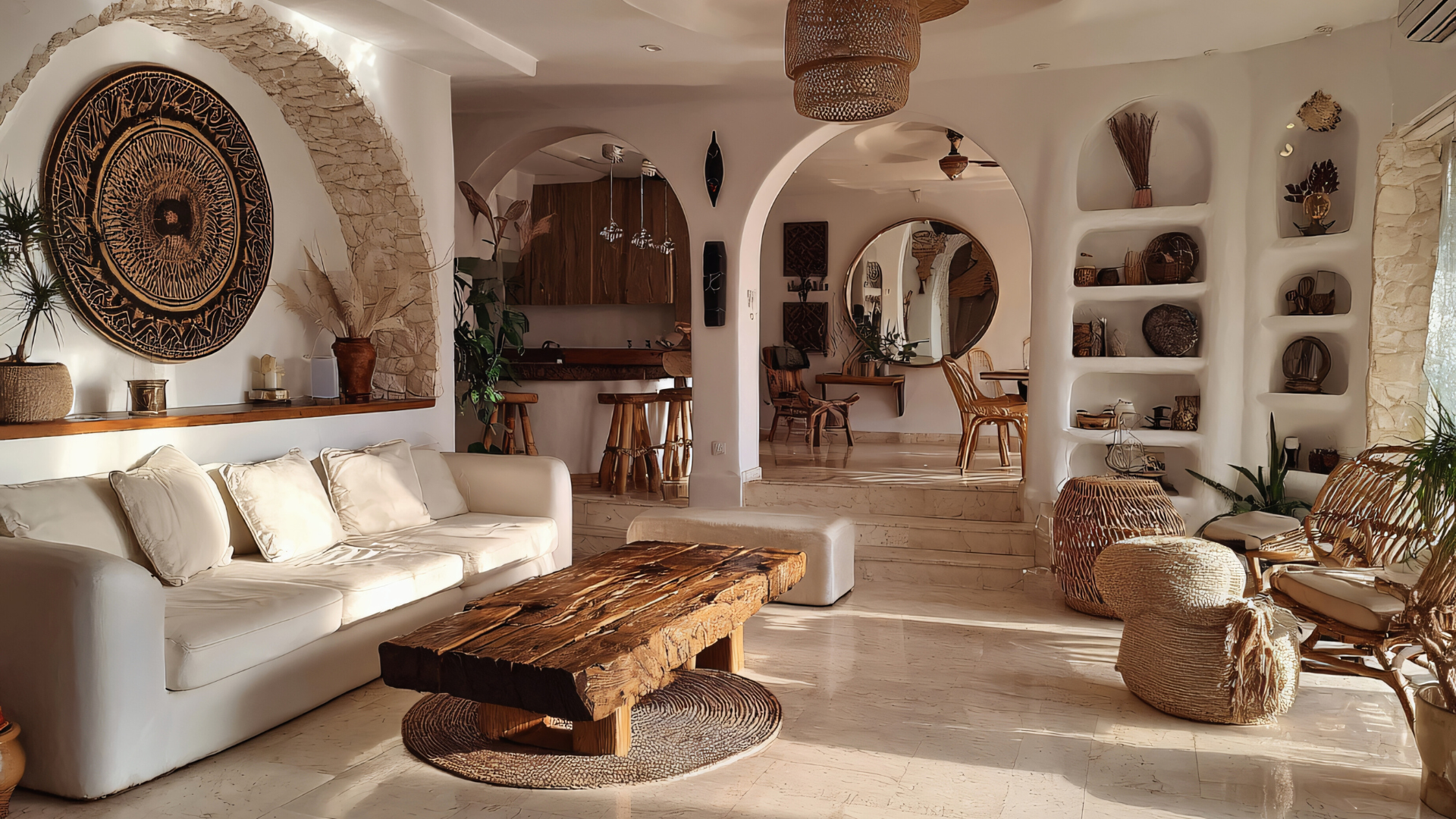
Creating a sanctuary through interior design means crafting a space that promotes peace, comfort and personal well-being. By carefully selecting colours, textures and lighting, one can transform any room into a calming retreat tailored to individual needs.
A successful sanctuary balances functionality with aesthetics to support relaxation and mental clarity. This involves thoughtful arrangement of furniture, use of natural elements, and minimising clutter to foster a sense of order and tranquillity.
Design choices that reflect personal style while encouraging rest and mindfulness help make a home feel like a true sanctuary. When done well, interior design becomes a powerful tool for improving daily life and emotional balance.
Core Principles of Building a Sanctuary Through Interior Design
Creating a personal sanctuary requires purposeful choices that foster calm and comfort. Balancing aesthetics with functionality and emotional impact is essential to transform any space into a refuge from daily stress.
Understanding the Concept of Sanctuary
A sanctuary is more than a beautiful room; it is a space that promotes safety and emotional restoration. This means the interior design should prioritise elements that reduce anxiety, such as soft lighting, calming colours, and uncluttered areas.
Natural materials like wood and stone help ground the environment, while textiles such as cushions and throws add tactile warmth. Personal touches that reflect the occupant’s preferences also play a vital role in making the space feel truly private and inviting.
The Role of Intentional Design in Creating Peace
Intentional design focuses on deliberate decisions that enhance well-being. Every element, from furniture placement to lighting choices, should serve a clear purpose in supporting relaxation and focus.
For example, positioning seating near natural light encourages mindfulness and reduces eye strain. Avoiding overly complex patterns and harsh contrasts prevents sensory overload. Incorporating plants can improve air quality and contribute to psychological calm.
Key aspects of intentional design include:
- Prioritising comfort and ergonomics
- Using a cohesive colour palette
- Minimising clutter through smart storage solutions
Connecting Interior Spaces with Wellbeing
Wellbeing in interior design extends beyond aesthetics to influence mental and physical health. Spaces designed with this connection in mind often include areas dedicated to specific activities like meditation or reading.
Acoustic control, such as using soft furnishings or rugs, can reduce noise pollution, enhancing tranquillity. Temperature regulation and adequate ventilation also impact comfort significantly. The integration of natural elements and personalised decor fosters a deeper sense of belonging and balance within the sanctuary.
Environmental Elements for a Tranquil Sanctuary
Creating a peaceful space depends on how carefully its environment is shaped. Effective use of light, materials, and natural elements plays a key role in making an interior feel calm and welcoming.
Harnessing Natural Light Effectively
Natural light regulates mood and energy, making it essential in a sanctuary. Large windows facing east or south maximise daylight, reducing the need for artificial lighting during the day. Sheer curtains or light-filtering blinds help control brightness without blocking light completely.
Positioning seating and key furnishings to benefit from sunlight encourages relaxation. Avoid harsh glare by using diffused glass or angled window treatments. Skylights can also introduce direct light from above, enhancing the feeling of openness.
The location of the home influences the availability of natural light. In areas with limited sunlight, combining natural light with warm-toned artificial lighting maintains balance and comfort.
Incorporating Natural Materials and Finishes
Natural materials contribute an organic, grounding quality to a sanctuary’s interior. Wood, stone, and bamboo evoke texture and warmth. Using timber flooring or stone tiles connects occupants with nature through tactile and visual elements.
Finishes should be matte or low-gloss to reduce reflection and create a softer atmosphere. Textiles made from cotton, linen, or wool add comfort and contrast with harder surfaces.
Selecting materials sourced locally reduces environmental impact and enhances the sense of place. The colour palette should echo earth tones, such as warm browns, muted greens, and soft greys, to support tranquillity.
Bringing Nature Indoors with Plants and Views
Incorporating plants enriches air quality and introduces vibrant life into the sanctuary. Opt for low-maintenance varieties like snake plants, peace lilies, or succulents that thrive indoors with minimal care.
Position plants near windows or in communal areas to maintain a connection to the outside environment. Framing views of outdoor gardens or natural landscapes with unobstructed windows enhances the feeling of openness.
When the location offers limited external views, indoor living walls or plant arrangements serve as visual substitutes, reinforcing a biophilic connection in the space. Regular care ensures plants remain healthy and visually appealing.
Sensory Enhancements for Relaxation and Calm
Creating a calming environment often involves addressing multiple senses. Incorporating smells, sounds, colours, textures, and lighting helps transform a space into a true sanctuary.
Using Essential Oils for a Soothing Atmosphere
Essential oils are a powerful tool for introducing calm. Diffusers allow oils such as lavender or eucalyptus to gently permeate the air, promoting relaxation without overpowering the senses.
Care should be taken to choose high-quality oils and diffuse them in moderation. Overuse can cause irritation or discomfort. Using blends designed for stress relief enhances the mood while maintaining air quality.
Essential oils also complement other sensory elements, creating a multi-layered experience that feels natural and restorative.
Soothing Sounds: Integrating Nature Sounds
Natural sounds like flowing water, birdsong, and rustling leaves can reduce anxiety and improve focus. Installing sound systems or smart devices programmed to play nature sounds provides a consistent auditory backdrop.
These sounds mask disruptive noise and evoke a connection to the outdoors, which is beneficial in urban or noisy settings. Volume levels should be soft and unobtrusive to avoid distraction.
Regular exposure to nature sounds supports a sense of calm, making them ideal for relaxation areas or bedrooms.
Applying Colour, Texture and Lighting for Serenity
Calming colours such as soft blues, muted greens, and gentle neutrals create a peaceful visual environment. Matt or satin finishes reduce glare and add to the comfort level.
Textures like smooth wood, soft fabrics, and natural fibres add tactile warmth and invite relaxation. Combining these with adjustable lighting—such as dimmable LEDs or warm bulbs—allows control over atmosphere.
Layered lighting should focus on indirect sources to prevent harsh shadows and support restful moods throughout the day and evening.
Scents of Lavender and Eucalyptus in Interior Spaces
Lavender and eucalyptus stand out for their calming and refreshing properties. Lavender is linked to stress reduction and improved sleep quality. It is effective both as an essential oil and in dried form.
Eucalyptus provides a crisp, clean aroma that revitalises the senses and clears airways. Its use is common in spaces where breathing comfort and alertness are priorities.
Introducing these scents strategically, such as in diffusers or scented candles, anchors the space with familiarity and promotes well-being without overwhelming.
Designing Personal Spaces for Rejuvenation
Creating a personal sanctuary requires thoughtful use of space, light, and comfort. Every element should invite relaxation and clear the mind, enhancing well-being and calm.
Creating a Cosy Reading Nook
A reading nook should prioritise comfort and lighting. Soft cushions, a supportive chair, and a warm throw make the space inviting. Natural light is ideal, but adjustable lamps help maintain optimal brightness in the evening.
Textures contribute significantly. Woollen blankets, velvet cushions, or a plush rug increase tactile warmth. Shelving nearby should hold favourite books and small decorative items that provide personal meaning, adding to the sanctuary feel.
Consider sound control. Using heavy curtains or placing the nook away from busy areas reduces noise distractions, enabling deeper focus and relaxation. The goal is a retreat that encourages uninterrupted downtime.
Choosing the Ideal Location for Your Sanctuary
Location defines the sanctuary’s effectiveness. Quiet corners or rooms with limited foot traffic work best to maintain stillness. Ideally, the space will have access to natural light and fresh air, creating a connection to the outside world without intrusion.
Privacy matters. Spaces behind closed doors or tucked away in less-used parts of the home promote a sense of safety. Avoid rooms near noisy appliances or main thoroughfares.
If space is limited, even a well-organised closet or under-stair area can become a sanctuary with the right accessories. The chosen location must feel distinct from daily living zones to reinforce its purpose.
Planning Rest Zones and Nooks for Mindfulness
Rest zones combine comfort and simplicity, promoting mental clarity. Minimal furniture, such as a chaise lounge or floor cushions, supports physical relaxation without cluttering the environment.
Incorporate natural elements like plants or water features to enhance mindfulness. These bring calm through sensory engagement without overwhelming the space.
Lighting should be soft and adjustable. Dimmer switches or candles help shift the atmosphere from busy to tranquil. Including a small table for journals or meditation aids integrates practical needs with peaceful intent.


Leave a Reply