
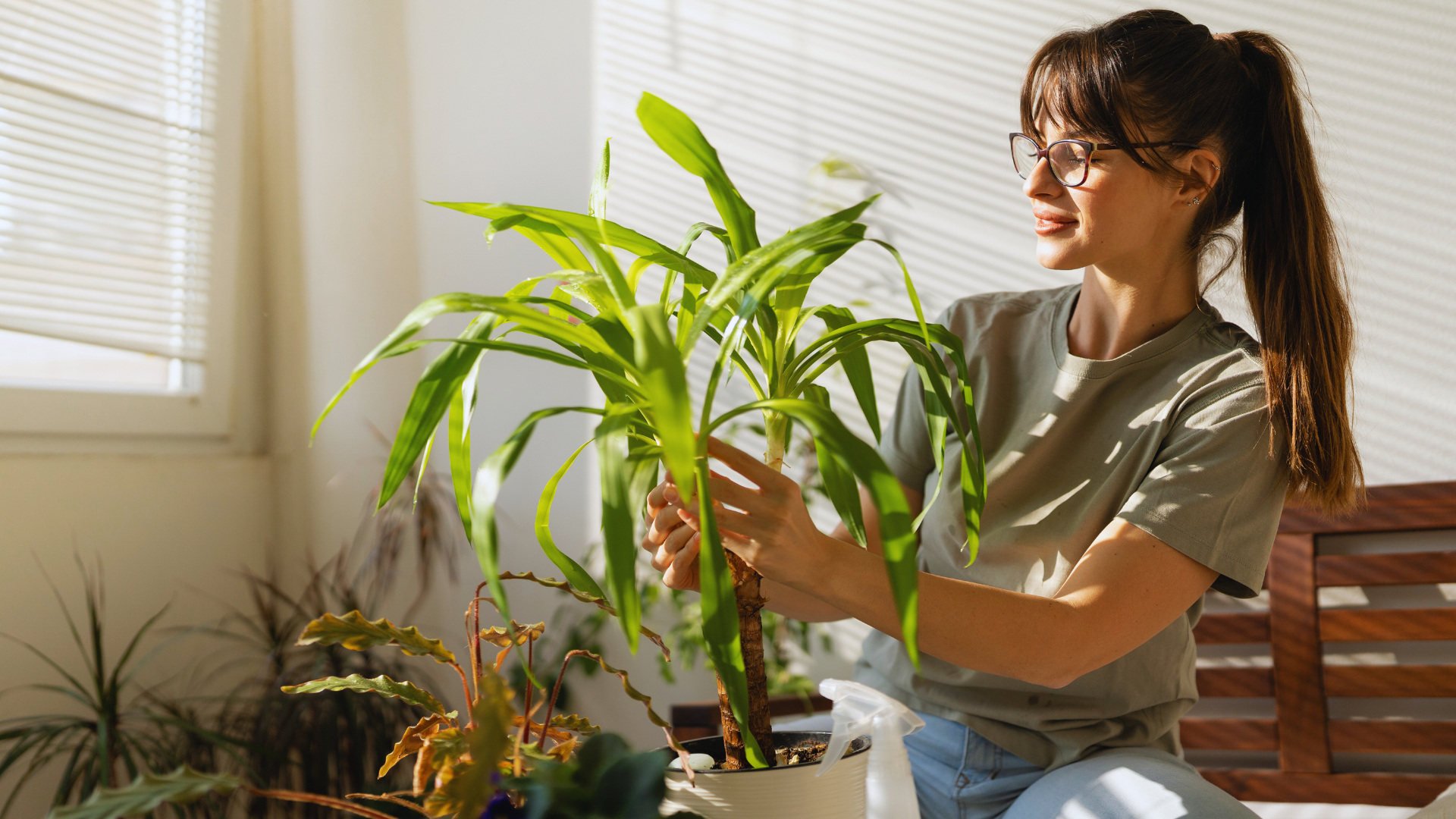
In today’s fast-paced world, finding time to focus on one’s well-being can often feel overwhelming. Yet, engaging in simple self-care activities can significantly reduce daily stress and enhance mental health. Incorporating small, manageable practices into a routine can lead to substantial improvements in emotional resilience and general well-being.
Whether it’s taking a short walk, practising mindfulness, or dedicating a few moments to deep breathing, these activities are both accessible and effective. They require minimal time commitment but offer a profound impact on stress management.
Self-care does not always have to be small in scale. It can also include more significant acts, such as taking a solo trip, boosting confidence with a fresh haircut, or opting for professional treatments. At its heart, self-care is about making intentional choices for oneself. By prioritising these simple yet thoughtful strategies, individuals can support a more balanced, confident, and healthier lifestyle.
Exploring various self-care options can empower anyone to take control of their stress levels. Developing a consistent self-care routine not only promotes relaxation but also serves as a preventative measure against burnout. Integrating these activities could very well change the way one navigates daily challenges.
Laying the Foundations for Self-Care
Establishing a robust self-care foundation is essential for enhancing physical and mental health. It requires understanding the importance of self-care, tailoring practices to individual needs, and setting achievable goals for personal growth.
Understanding Self-Care and Its Importance
Self-care encompasses various activities that nurture the body, mind, and spirit. This can manifest in physical, mental, emotional, and spiritual dimensions.
- Physical health involves exercise, nutrition, and rest.
- Mental self-care focuses on activities that stimulate cognitive engagement.
- Emotional self-care nurtures feelings and expresses them healthily.
- Spiritual self-care connects individuals to their beliefs and values.
Recognising the significance of establishing boundaries and practicing self-compassion is critical. Self-care can bolster resilience and promote a sense of control in daily life, ultimately improving overall well-being.
Tailoring Self-Care to Your Needs
Individual self-care routines should reflect personal preferences and lifestyle. Assessing current stressors and personal interests is a necessary step.
Creating a list of potential activities can help. Examples include:
- Journaling for emotional reflection
- Engaging in physical activities like yoga
- Connecting with nature
This customization ensures that self-care activities resonate personally, leading to consistent practice. Regular reflection on these practices can also guide adjustments to meet evolving needs, making them even more effective over time.
Setting Manageable Goals
Setting realistic self-care goals facilitates motivation and adherence. Goals should be specific, measurable, achievable, relevant, and time-bound.
For instance:
- Aim to practise mindfulness for 10 minutes daily.
- Incorporate a weekly outdoor walk to enhance physical health.
Breaking larger goals into smaller steps will prevent overwhelm. Each achievement builds confidence and reinforces the importance of self-care. Emphasising incremental progress in personal growth fosters a more sustainable self-care routine in the long run.
Implementing Physical and Mental Self-Care Activities
Incorporating physical and mental self-care activities plays a crucial role in reducing daily stress. Engaging in regular exercise and practising mindfulness can lead to significant improvements in overall well-being. Adjusting sleep habits is also essential for optimal health.
Incorporating Regular Exercise and Movement
Regular exercise is a powerful tool for reducing stress. Activities such as walking, swimming, or hiking can enhance mood and lower anxiety levels. Aim for at least 150 minutes of moderate aerobic activity each week to reap the full benefits.
Incorporating yoga and stretching into daily routines helps promote flexibility and relaxation. These activities not only improve physical health but also contribute to mental clarity. Positive affirmations during workouts can further enhance motivation and focus.
Cultivating Mindfulness and Relaxation Techniques
Mindfulness techniques are beneficial for managing stress. Practices such as meditation and body scan meditation encourage individuals to focus on the present moment and reduce feelings of overwhelm.
Integrating breathing techniques helps lower heart rate and blood pressure. Regularly practising progressive muscle relaxation can relieve chronic stress by systematically tensing and relaxing different muscle groups. This approach allows for greater awareness of bodily sensations and promotes relaxation.
Optimising Sleep for Better Health
Quality sleep is essential for physical and mental health. Aim for 7-9 hours of restorative sleep each night. Establishing a regular sleep schedule can greatly improve sleep quality.
Creating a calming bedtime routine can facilitate better sleep. Techniques such as limiting screen time and practising relaxation exercises before bed can help the mind decompress. A conducive sleep environment, including comfortable bedding and a dark room, further supports restful sleep.
Maintaining Personal Hygiene for Overall Well-Being
Beyond exercise, mindfulness, and sleep, maintaining proper personal hygiene is another important component of self-care. Good hygiene habits support physical health while also reinforcing confidence and emotional well-being. For instance, visiting a trusted barber shop Red Deer (or elsewhere) can be a simple yet refreshing way to invest in personal grooming while taking a mindful break from everyday stress. By incorporating these regular grooming practices, individuals can lay the foundation for consistent daily habits that support overall health and hygiene.
Similarly, simple daily practices, such as bathing regularly, washing hands thoroughly, and wearing clean clothes, help prevent illness and promote comfort throughout the day. Oral hygiene is equally essential. Brushing and flossing daily, along with regularly visiting the best Philadelphia dentist (or one elsewhere), supports long-term dental health and helps prevent common concerns such as cavities and gum disease.
Many people are now looking beyond standard toothpaste to improve their daily dental care. Natural alternatives can help protect the outer layer of the teeth from daily wear. Using a remineralizing tooth powder is one way to deliver minerals directly to the enamel. This type of product works to strengthen teeth and reduce sensitivity over time. It also helps keep the mouth clean without the use of harsh chemicals or artificial additives.
Ultimately, by giving attention to personal hygiene alongside other self-care routines, individuals create a balanced approach to well-being that strengthens both physical health and mental clarity.
Fostering Emotional Well-Being and Resilience
Building emotional well-being and resilience involves nurturing relationships, developing coping strategies, and enhancing self-worth. These elements contribute significantly to an individual’s ability to manage stress and maintain mental health.
Developing Healthy Relationships and Social Support
Healthy relationships are vital for emotional well-being. Individuals should prioritise connecting with friends, family, and colleagues who offer support. Engaging in social activities and making time for loved ones fosters a sense of belonging. Setting boundaries is equally important; it allows individuals to safeguard their time and energy.
Asking for help when needed can strengthen these relationships. Research shows that social support activates the release of oxytocin, promoting feelings of safety and reducing anxiety. Initiating conversations about feelings and experiences provides a platform for shared understanding.
Adopting Strategies for Emotional Regulation
Emotional regulation encompasses various techniques to manage feelings effectively. Journaling is a practical tool that allows individuals to reflect on their thoughts and emotions. Writing down experiences can promote clarity and insight, aiding in coping with stress.
Practising mindfulness can also be beneficial. Techniques such as deep breathing and meditation help ground individuals during anxious moments. Reading self-help literature can provide further strategies and foster a deeper understanding of emotions. Connecting with nature, whether through walks in the park or gardening, can reduce feelings of depression and anxiety.
Enhancing Self-Worth through Positive Self-Talk
Positive self-talk plays a crucial role in building self-esteem. Individuals should challenge negative thoughts and replace them with affirming statements. Crafting a gratitude list can shift focus from distressing thoughts to positive experiences. This practice encourages appreciation for small moments in daily life.
Engaging in spiritual self-care can further enhance emotional well-being. Activities such as meditation or yoga cultivate a sense of inner peace. Regular reflection on personal values and beliefs strengthens resilience, making it easier to face challenges. Through these practices, individuals can foster a stronger sense of self-worth and emotional balance.
Practical Tips for Daily Self-Care
Establishing routines and engaging in meaningful activities can significantly enhance daily self-care. Effective stress management strategies can support mental health and overall well-being.
Creating and Maintaining Routines
Establishing a daily routine can provide stability, helping to manage stress levels. Starting the day with a morning checklist or to-do list can keep priorities clear and reduce feelings of overwhelm.
Incorporating mindfulness practices into the routine is beneficial. This can include brief meditation or mindful breathing exercises, promoting a sense of calm.
Evening routines matter too. Dedicating time for a bubble bath or a relaxing shower can signal the end of the day and aid in decompressing. Consistent routines contribute to healthier cortisol levels and promote improved mental health.
Engaging in Hobbies and Leisure Activities
Hobbies serve as essential outlets for stress relief. Engaging in activities such as cooking, painting, or gardening can provide joy and distraction from daily pressures.
Moderate-intensity exercise, like walking or dancing, not only benefits physical health but also enhances mood. Regular activity releases endorphins, reducing feelings of anxiety.
Spending time with loved ones strengthens social connections. Sharing interests and participating in group activities fosters a supportive environment. Practising gratitude through journaling or verbal affirmations can enhance positive feelings and improve mental outlook.
Managing Stress in the Workplace
Implementing brief breaks throughout the workday enhances productivity. Short walks or stretching can alleviate tension and improve focus.
A cleaning or decluttering session can refresh the workspace. An organised environment promotes clear thinking and reduces distraction.
Additionally, mindful eating during lunch is essential. Consuming whole foods, such as fruits, vegetables, and nuts, not only nourishes the body but also supports mental clarity. Practising positive affirmations during stressful moments can further reinforce a confident mindset, enabling better stress management.



Leave a Reply