
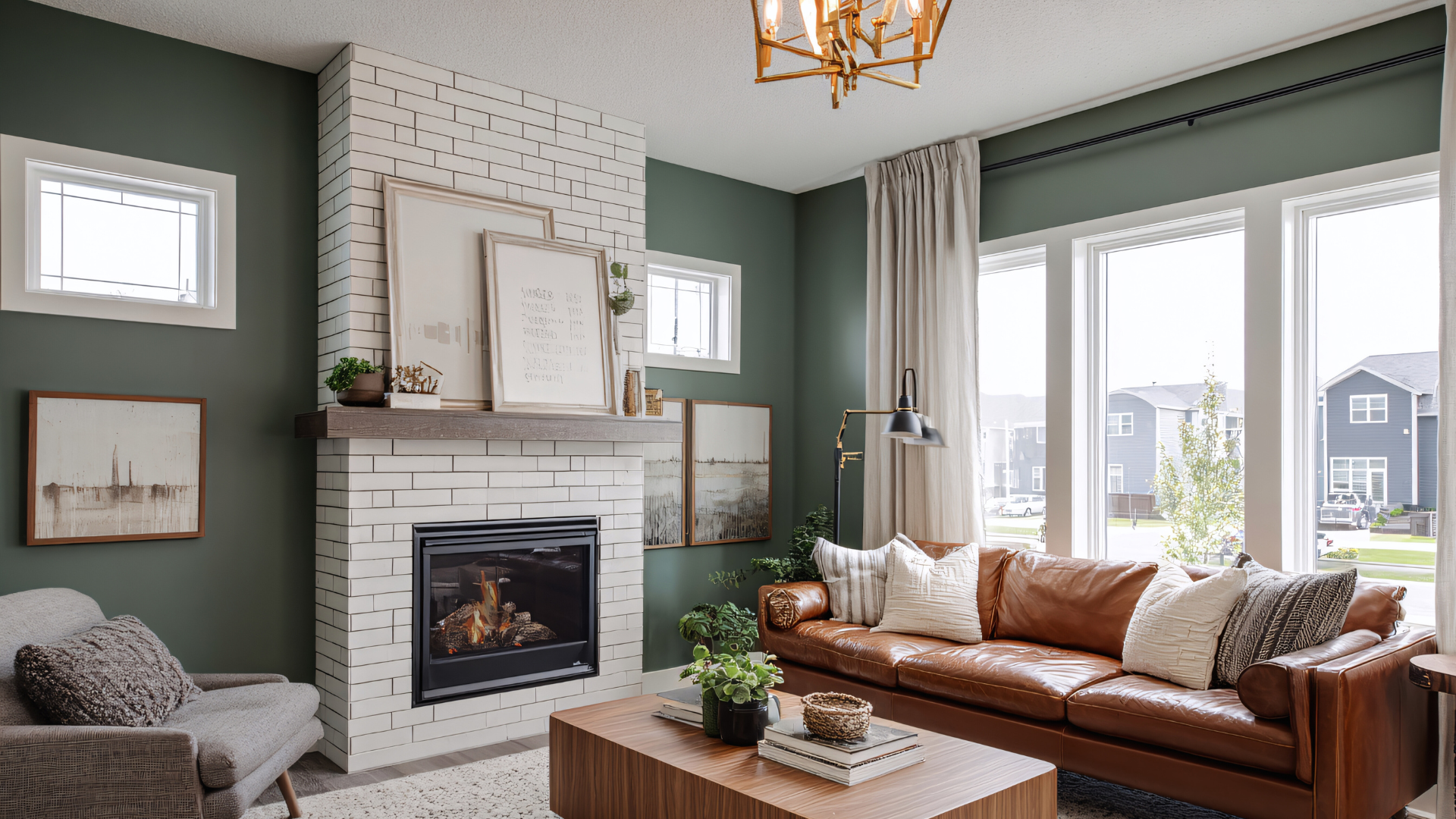
Choosing materials that balance beauty and durability is essential for long-lasting, aesthetically pleasing results. The key lies in selecting options that offer resilience without compromising on visual appeal. This approach ensures both functionality and style endure over time.
Many materials may look attractive initially but fail under wear and tear, so understanding their properties is crucial. Knowing which materials withstand environmental factors, daily use, and time can prevent costly replacements and maintenance.
This guide helps readers identify materials that meet both requirements, enabling informed decisions for their projects. It combines practical insight with design considerations, making material choice straightforward and effective.
Fundamentals of Material Selection
Choosing materials requires balancing practical durability with visual appeal. Understanding how materials perform, their maintenance needs, and compliance with building codes are essential for sound decisions. This ensures both aesthetic quality and long-term functionality.
Key Principles for Blending Durability and Beauty
Material selection hinges on aligning aesthetics with durability. Durable materials resist wear, weathering, and damage, reducing maintenance costs over time. However, the material must also meet design goals, complementing the overall style and purpose of the project.
It is important to evaluate materials based on their ability to maintain appearance and structural integrity under expected conditions. High-quality materials often offer this balance naturally, but cost can be a factor. Designers should weigh upfront investment against lifecycle savings.
Visual appeal involves texture, colour, and finish, which should remain stable despite environmental exposure. Durable surfaces that fade or degrade quickly undermine aesthetic value. Prioritising materials proven for long-term performance safeguards the desired look.
Material Properties and Performance Criteria
Performance criteria focus on strength, resistance to environmental factors, and maintenance requirements. For example, metals like stainless steel offer high corrosion resistance, while natural stone excels in hardness and weather tolerance.
Thermal expansion, UV resistance, and moisture absorption are key to determining a material’s suitability in specific climates. These properties influence how materials respond to heat, sunlight, and water exposure, directly affecting longevity and aesthetics.
Material selection also depends on compatibility with building codes and standards, ensuring safety and structural soundness. This includes fire resistance and load-bearing capacity. Understanding these technical attributes aids in choosing materials that meet both regulatory and functional needs without sacrificing design.
Longevity and Lifecycle Considerations
Longevity involves assessing the expected lifespan of materials under typical use. Durable materials reduce replacement frequency and ongoing maintenance, which impacts total cost and environmental footprint.
Understanding lifecycle costs is critical. Some high-quality materials with higher initial costs provide better returns by lowering repair and upkeep expenses. Conversely, cheaper, less durable options may increase long-term burdens.
Maintenance plays a significant role in longevity. Materials requiring minimal intervention preserve appearance and performance longer. Selecting materials that resist staining, corrosion, and degradation minimises labour and material replacement over time.
Balancing Aesthetic Appeal and Practicality
Choosing materials that combine visual impact with functional performance requires attention to specific design elements. Colour, texture, and finishes all contribute to how a material looks and performs over time. Strategies like timeless and minimalist design help maintain appeal without compromising durability.
Influence of Colour and Texture
Colour affects how a space feels and how materials wear visually. Lighter colours tend to show dirt and wear more easily, but can create a sense of openness in a room. Darker hues hide imperfections but may absorb more heat or fade under strong sunlight.
Texture influences both the tactile experience and the longevity of surfaces. Smooth textures are easier to clean but can show scratches or fingerprints. Textured surfaces can mask wear and tear and add depth to furniture or walls. Combining different textures, such as matte and glossy, can enhance interest without cluttering the design.
Selecting colour and texture should match the intended use of the material. For high-traffic areas, durable finishes and darker, textured materials often balance look and practicality best.
Role of Finishes in Enhancing Visual Impact
Finishes protect materials while enhancing their aesthetics. For example, varnishes and lacquers offer shine and durability to wood surfaces, highlighting natural grain patterns. Matte finishes reduce glare and hide fingerprints, creating a more understated look.
Finishes also affect cleaning and maintenance. Hardwearing, water-resistant coatings extend lifespan, especially in kitchens or bathrooms. Some finishes make surfaces more resistant to UV damage, which helps maintain colour vibrancy in naturally lit interiors.
Choosing the right finish depends on the material and location. Practical finishes that suit the environment help preserve the intended design while reducing upkeep time and cost.
Timeless and Minimalist Design Strategies
Timeless design emphasises simplicity and functional beauty, avoiding fast-changing trends. Clean lines, neutral palettes, and uncluttered spaces create a foundation that ages well. Furniture and interior design elements rooted in these principles offer lasting appeal.
Minimalist design supports durability by focusing on essential forms and materials without excess decoration. This reduces zones where dirt and damage accumulate. Minimalist aesthetics often use monochrome colour schemes and integrated storage solutions, promoting order and ease of maintenance.
By favouring these strategies, designers ensure materials remain relevant and attractive while meeting practical needs. Longevity in both style and function relies on restraint and thoughtful material choices.
Durable and Sustainable Material Options
Choosing materials that balance longevity with environmental responsibility requires attention to sourcing, maintenance, and lifecycle. It is important to consider how natural and man-made materials perform under daily use while supporting sustainability goals to reduce environmental impact.
Natural Materials: Wood and Stone
Wood is valued for its warmth and strength, especially when sourced from sustainable forests certified by organisations like FSC. Properly treated hardwoods resist decay and wear, making them durable for flooring and furniture. Wood is biodegradable and recyclable, aligning well with eco-friendly principles.
Stone offers exceptional durability and low maintenance. Common options like limestone or sandstone are natural and often locally sourced, reducing carbon footprint. Both materials may require sealing to prevent staining, but generally withstand time with minimal degradation.
High-Performance Stones: Marble, Slate, Granite and Quartz
Marble and slate bring aesthetic appeal, combined with strong wear resistance. Marble requires sealing to protect against scratches and stains, but it can last decades in interiors. Slate is dense and weather-resistant, suitable for flooring and roofing.
Granite is among the hardest natural stones, highly resistant to heat and abrasion. It suits kitchens and bathrooms well. Quartz, engineered from natural quartz crystals and resins, offers consistent durability with non-porous surfaces that resist bacteria and stains, enhancing hygiene.
Advanced Composites and Eco-Friendly Alternatives
Concrete, frequently mixed with recycled aggregates, is a durable, sustainable option for structural and decorative uses. When designed for longevity, it reduces the need for replacements.
Composite materials blend recycled plastics, wood fibres, or natural minerals. They often boast high durability and low maintenance while being recyclable themselves. Some composites are biodegradable or use bio-based resins, supporting eco-friendly construction without sacrificing strength or appearance.
Making Informed Choices for Lasting Value
Selecting materials for construction projects demands careful evaluation of their environmental consequences, financial impact, and practical application. Buyers need to weigh these factors against the material’s ability to endure varying conditions while maintaining aesthetic appeal.
Assessing Environmental Impact and Energy Efficiency
Materials with low embodied carbon minimise environmental damage during sourcing and manufacturing. For example, sustainably harvested timber or recycled metal often reduces the carbon footprint compared to conventional alternatives.
Energy efficiency extends beyond production. Flooring and insulation materials that improve thermal regulation can lower building energy costs over time. Architects increasingly specify products with certifications like LEED or BREEAM to ensure sustainability.
Consider local environmental conditions. High-humidity areas need moisture-resistant tiles or luxury vinyl to prevent deterioration, whereas dry climates may favour materials with better thermal mass to balance indoor temperatures.
Cost Considerations and Long-Term Investment
Initial material costs are only part of the financial equation. Maintenance expenses, replacement frequency, and resilience to wear significantly affect long-term value.
For instance, while natural stone countertops may involve a higher upfront investment, their durability and ease of upkeep can reduce total costs over decades. Conversely, cheaper alternatives might require frequent repairs or replacements, increasing overall expenditure.
Developers should factor in project scale. Bulk purchasing of quality materials can offer cost savings, but mock-ups play a crucial role in verifying performance in situ before full procurement.
| Material Type | Initial Cost | Maintenance | Longevity |
| Natural stone | High | Low | 30+ years |
| Luxury vinyl | Medium | Medium | 10-20 years |
| Ceramic tile | Medium | Low | 20+ years |
Practical Guidance for Architects and Developers
Mock-ups are essential tools for assessing material suitability under real environmental and usage conditions. They help detect issues before widespread installation.
Architects must specify materials that balance durability and aesthetics without inflating budgets unnecessarily. Collaboration with suppliers ensures accurate data on maintenance demands and expected lifespan.
Developers should prioritise materials that align with climate conditions and building function. Monitoring performance post-installation informs future material selection and helps control lifecycle costs.



Leave a Reply