
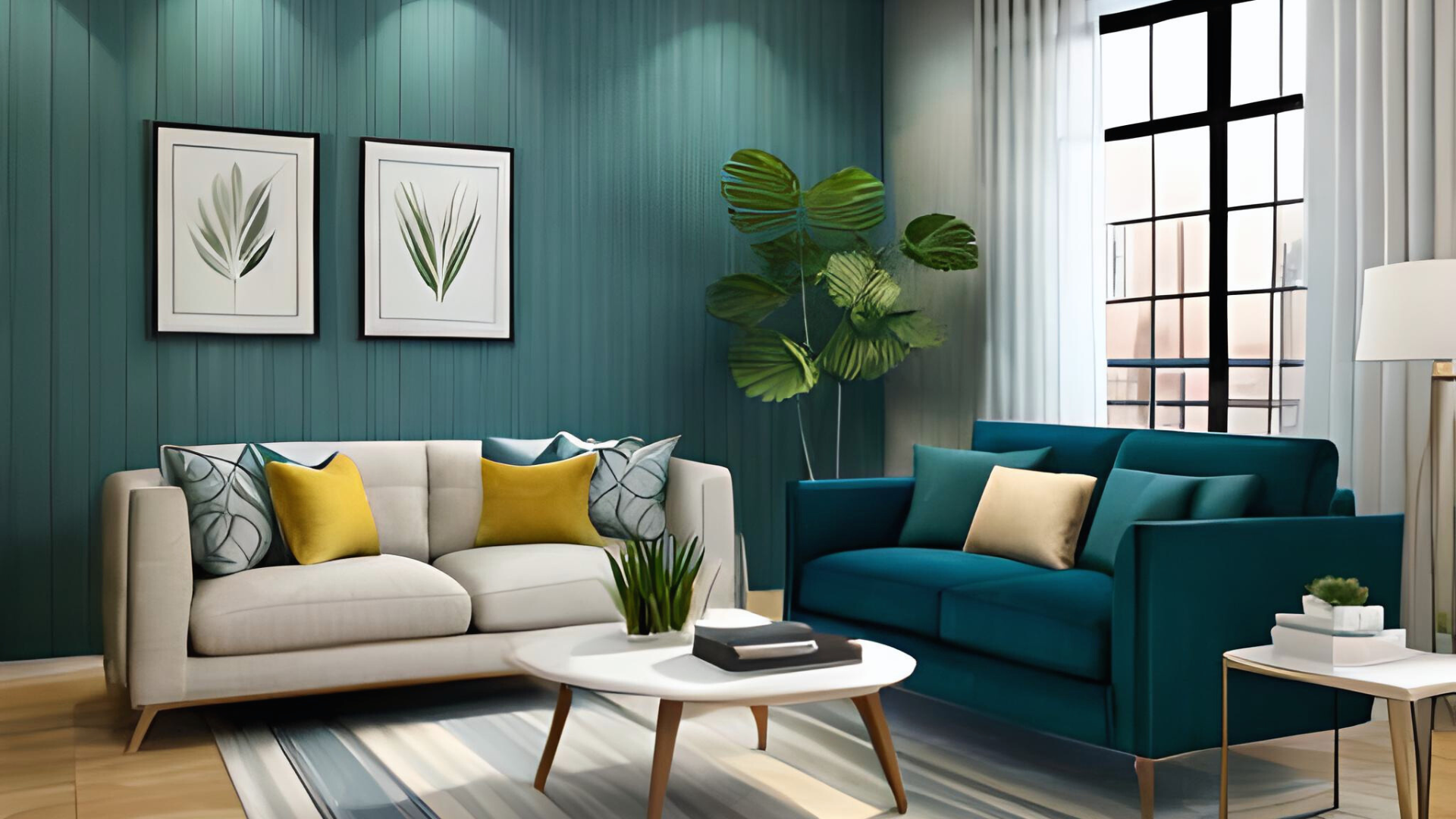
Curating a home with meaningful objects involves selecting items that reflect personal stories, values, and memories rather than simply following trends. This approach creates a living space that feels authentic and offers a deeper connection to the environment. Meaningful objects add character and purpose to a home, transforming it into a space that truly resonates with its occupant’s identity.
People often accumulate things over time, but not every object holds genuine significance. Prioritising items with personal history or emotional value helps reduce clutter and enhances the overall harmony of a home. This thoughtful selection process encourages intentional living and a stronger sense of belonging.
Choosing meaningful objects also influences how a space feels emotionally. Instead of impersonal decoration, it becomes a curated collection that inspires comfort and mindfulness. This mindset supports a home that nurtures wellbeing through everyday encounters with objects that matter.
Defining a Meaningful Home
A meaningful home reflects the priorities and lifestyle of its occupant. It balances emotional resonance with practical use, creating an environment conducive to health and well-being. Such a home is thoughtfully curated to support daily life while providing a sense of identity.
The Role of Personal Values in Curation
Personal values guide the selection of objects in a meaningful home. Items chosen often represent memories, beliefs, or aspirations that matter deeply to the individual. This connection transforms possessions into more than mere decor; they serve as daily reminders of what the person holds important.
Curation based on values helps reduce clutter by focusing only on objects with significance. It enhances emotional balance by surrounding inhabitants with items that inspire calm, joy, or motivation. Prioritising personal meaning over trends leads to a more authentic and satisfying living space.
Intentionality Versus Minimalism
Intentionality involves deliberately choosing objects that serve a purpose or hold meaning. It is not synonymous with minimalism, which prioritises fewer items, often for aesthetic or space reasons. A meaningful home can be richly layered if every piece is thoughtfully selected.
Intentionality supports mental health by fostering an environment free from unnecessary distractions. It encourages mindfulness by making inhabitants more aware of their surroundings and the reasons behind them. This approach balances the need for beauty with the desire for purposeful living.
Balancing Function and Beauty
A meaningful home achieves harmony by aligning function with beauty. Practical items should meet daily needs while also contributing to the home’s aesthetic and emotional qualities. This balance promotes physical comfort and mental well-being.
Inclusion of functional art or well-designed tools combines utility with visual interest. Effective curation avoids overcrowding to maintain healthy air flow and space. Careful arrangement ensures that beauty does not compromise usability, reinforcing the home’s role as a sanctuary.
Selecting and Displaying Meaningful Objects
The selection and arrangement of meaningful objects should reflect clear intent, highlighting the personal connection behind each piece. Balancing these objects with existing furniture and room aesthetics ensures they become integrated elements rather than distractions.
Unearthing Sentimental and Heirloom Pieces
Sentimental items and heirlooms often hold the deepest personal value and should be chosen first. These can include inherited jewellery, handmade textiles, or old photographs. Their emotional significance gives the home a unique narrative.
When selecting, consider the object’s story and how it complements the room’s function. For instance, an antique clock might bring warmth to a living room, while a collection of letters could be displayed in a study. Preserving and displaying these items appropriately protects their condition and keeps their meaning intact.
Themes and Storytelling Through Objects
Establishing a theme can unify diverse objects into a cohesive display. Themes might centre on travel, family history, or a shared hobby. This approach helps avoid random collections that can feel cluttered or disjointed.
Objects should be grouped to tell a story or evoke a mood. For example, seaside memorabilia arranged with blues and natural fibres in textiles creates an immersive theme. This storytelling technique encourages viewers to engage emotionally and understand the curator’s intention.
Artful Arrangements and Gallery Walls
Arranging objects requires attention to scale, balance, and proportion relative to surrounding furniture. Groupings can be curved or linear, with varied heights to maintain visual interest. Mixing materials like wood, glass, and metal adds texture.
Gallery walls offer structured variety by combining framed art and meaningful photos. Consistency in frame colour or size creates harmony. Effective spacing between pieces prevents overcrowding, allowing each item to stand out.
Curation Versus Clutter
Curation means intentional selection and editing, not accumulation. Keeping only objects that resonate prevents an overcrowded, chaotic environment. Regular reassessment helps maintain clarity in displays.
Balance is achieved by alternating large and small pieces and mixing empty space with object clusters. Furniture placement should support the display, providing framing or surface space without overwhelming the room. This disciplined approach maintains both beauty and function.
Incorporating Natural Elements and Materials
Introducing natural elements into a home brings texture, warmth, and an authentic connection to the environment. This approach uses materials like wood, stone, and sand alongside living plants to create spaces that feel grounded and promote well-being.
Benefits of Natural Materials in the Home
Natural materials improve indoor air quality by reducing exposure to synthetic chemicals commonly found in manufactured products. Wood and stone are durable, offering longevity that reduces waste and the need for frequent replacements.
They create a tactile experience that adds depth and interest to a space. The variations in wood grain or stone patterns make each item unique, supporting a personalised and meaningful decor.
Using natural materials also moderates humidity and temperature. Wood absorbs and releases moisture, helping balance indoor air, while stone surfaces remain cool, contributing to thermal comfort.
Highlighting Wood, Stone, and Sand
Wood works well for flooring, furniture, and decorative elements. It provides a warm, natural aesthetic and can be sourced sustainably to minimise environmental impact. Hardwoods like oak and walnut are popular for their resilience and attractive grain patterns.
Stone is often used in countertops, tiles, and feature walls. Materials such as granite, slate, or limestone are strong, easy to maintain, and offer a timeless appearance. Their natural variation makes every installation distinctive.
Sand finds its way mostly into textured finishes, glass creations, or natural plaster. It enhances tactile variety and can evoke a sense of the outdoors inside the home.
| Material | Common Uses | Key Qualities |
| Wood | Furniture, flooring | Warmth, unique grain, durable |
| Stone | Countertops, tiles | Strong, natural patterns |
| Sand | Textures, glass | Versatile, adds natural texture |
Promoting Wellbeing with Living Elements
Incorporating plants and natural greenery alongside materials like wood and stone enriches the atmosphere. Plants improve air quality through oxygen production and can reduce pollutants.
The presence of living elements supports mental health by lowering stress and enhancing mood. Visual connection to nature often encourages relaxation and better focus.
Selecting species suited to indoor environments, such as ferns, succulents, or peace lilies, ensures they thrive with minimal care. These plants complement natural materials and help maintain a balanced, healthy home environment.
Maximising Natural Light and Creating Harmony
Natural light and visual balance are essential components when curating a home with meaningful objects. They impact how objects are perceived and influence the overall mood of the space. Careful planning of light sources and arrangement can create a harmonious environment.
Techniques for Enhancing Daylight
To maximise natural light, it is important to position furniture and objects away from windows rather than blocking them. Using light-coloured curtains or blinds that diffuse light softly helps maintain brightness without glare.
Mirrors placed strategically opposite or adjacent to windows can reflect daylight deeper into the room. Glass or translucent materials in décor also contribute by allowing light to pass through, maintaining openness.
Opt for minimal heavy fabrics or dark finishes near light sources, as these absorb light and reduce its spread. Clutter-free spaces around windows ensure unobstructed light flow, highlighting meaningful objects effectively.
Achieving Visual and Emotional Balance
Visual balance can be attained by distributing objects of varying sizes and colours evenly throughout the space. Grouping meaningful items by theme or colour creates focal points without overwhelming one area.
Emotional balance arises from thoughtful placement that respects personal significance while considering the room’s function. For example, placing calming objects in resting areas encourages tranquillity, whereas energising pieces near workspaces can enhance focus.
Symmetry is not always necessary; asymmetrical arrangements often offer a more natural, dynamic balance. Mixing textures and materials balances visual weight and tactile interest.
The Interplay of Light, Space, and Objects
Light alters the perception of space and object characteristics. A well-lit environment can enhance the texture and colour of meaningful pieces, making them stand out.
Open space around objects is crucial, allowing light to frame them without shadows that diminish their impact. Adequate spacing also prevents overcrowding, which can disrupt harmony.
The type of natural light, whether warm morning light or cool afternoon shade, affects how objects are viewed. Adjusting object placement according to daily light patterns keeps the display compelling throughout the day.


Leave a Reply