
Creating the illusion of space in a small area can transform it into a more inviting environment. Using strategic design elements like light colours, mirrors, and multifunctional furniture can significantly enhance the perception of space. These simple changes can make a confined area feel open and airy without the need for extensive renovations.
Incorporating clever organisation and minimalistic decor further aids in maximising available space. This approach not only declutters the environment but also allows for greater movement within the area. By applying these techniques, anyone can enjoy a more spacious feeling in their intimate living quarters.
Understanding the principles of spatial perception often leads to practical solutions. When one knows how to play with light and layout, small spaces can become surprisingly functional and aesthetically pleasing. Taking the time to consider these elements is essential for anyone looking to maximise their living area.
Maximising Natural Light
Enhancing natural light is essential for creating a sense of spaciousness in small areas. Effective window treatments and the use of reflective surfaces can significantly amplify light flow, making spaces more inviting and open.
Strategic Window Treatments
Choosing the right window treatments is critical. Sheer curtains or lightweight fabrics allow sunlight to filter through while maintaining privacy. Opting for styles that can be fully drawn back, such as curtains on a track system, ensures maximum exposure during daylight hours.
Blinds can also be an effective choice. Top-down, bottom-up designs let in light while blocking out unwanted views. Furthermore, using light-coloured treatments can reflect light rather than absorb it, enhancing brightness within the room.
Many homeowners find that high-quality window coverings make a big difference in light control. Options like hunter douglas shades are popular because they combine style with practical use. These products have special designs that diffuse harsh sunlight into a soft glow. This protects your furniture from sun damage and keeps the room bright. The right style makes any small room feel more open.
Positioning furniture away from windows creates unobstructed pathways for sunlight. Maintaining clear areas near natural light sources helps distribute light more evenly throughout the space, elongating its perceived dimensions.
The windows themselves can also influence how much daylight reaches the room. For homeowners already considering replacements, choosing windows that are aluminium can be worth exploring where slimmer frames and a larger glazed area help maximise natural light. Keeping the area around them visually uncluttered can reinforce the bright, open effect elsewhere in the room.
Utilising Reflective Surfaces
Incorporating reflective surfaces significantly increases natural light’s impact. Mirrors are particularly effective; positioning them opposite windows can double the amount of incoming light. They also create the illusion of depth, further expanding the space visually.
Glass furniture can serve a dual purpose. Items such as glass coffee tables or shelves reduce visual clutter, allowing light to pass through and maintain a light environment.
Additionally, metallic finishes on furniture or decor elements can bounce light around the room, enhancing brightness. When strategically placed, reflective surfaces turn a compact area into a more airy and open space.
Finding the right items to fit these spaces is often easier when you can see them in person. Testing out different setups in a physical store helps you understand how different shapes and sizes work together. If you are looking for inspiration, visiting a furniture showroom Washington has options that can help you plan your layout. Seeing the scale of sofas and tables in a real room setting makes it much simpler to choose pieces that do not crowd your home. This hands-on approach takes the guesswork out of decorating small rooms.
Colour and Pattern Usage
Colour and pattern play a crucial role in creating an illusion of space. By strategically selecting lighter shades and incorporating specific patterns, a small area can feel more expansive and inviting.
Choosing Light Colours
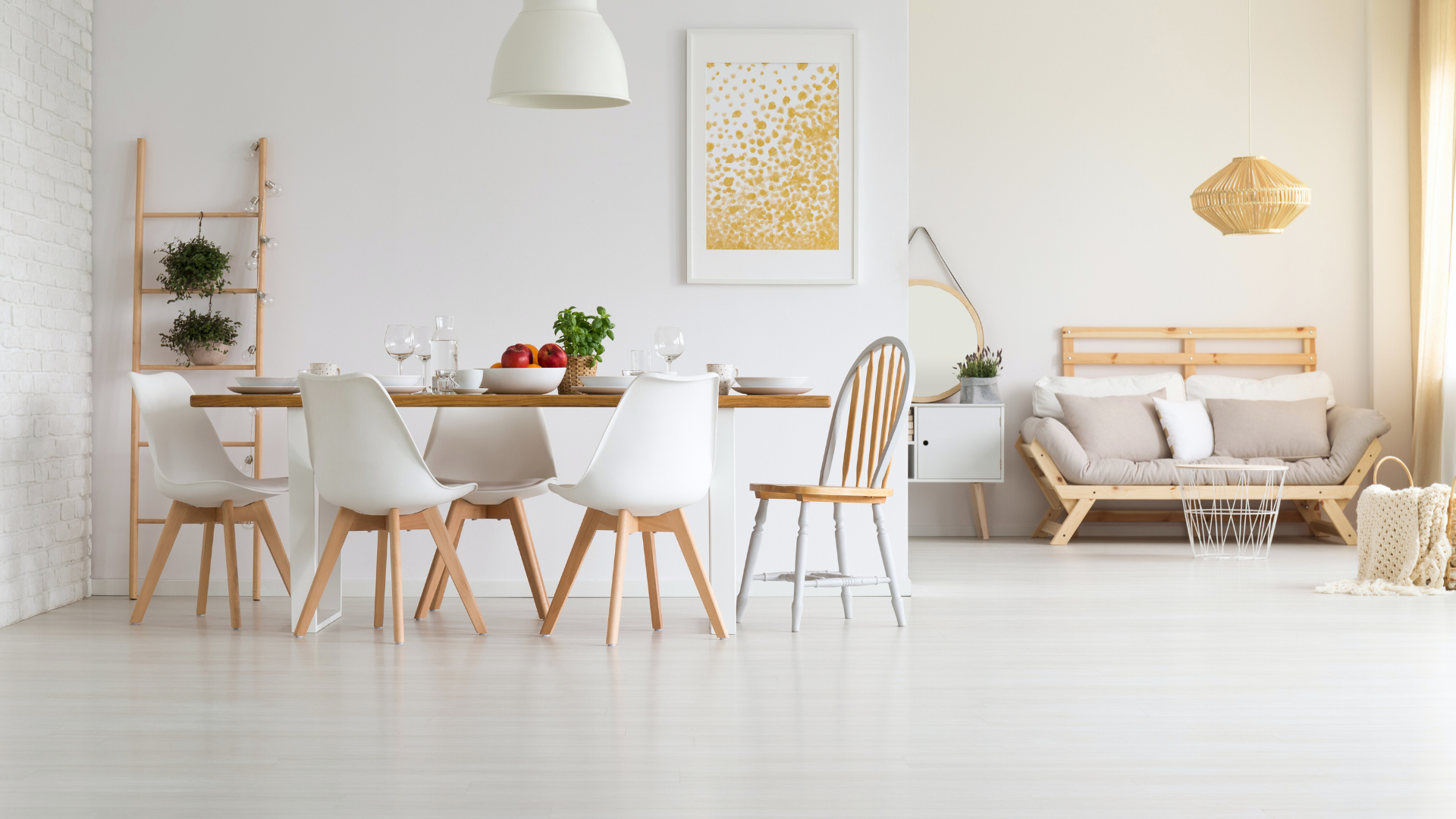
Using light colours effectively can enhance the perception of space. Pale neutrals, such as soft whites, creams, and light greys, reflect more light, making a room feel airy. These colours create a tranquil environment while visually pushing walls outward.
Darker hues can confine a space, so it’s advisable to limit their use to accents or particular features. To maintain balance, it can be beneficial to choose similar colour tones for larger pieces of furniture to create a cohesive look. Choosing lighter colours for ceilings can also make heights appear greater.
Incorporating Stripes
Stripes, specifically bold horizontal stripes, can alter how an area is perceived. When applied to walls or furnishings, horizontal stripes can visually widen a space. This technique effectively draws the eye across the room rather than up or down.
Thin vertical stripes give the illusion of height but may not be as effective in small spaces as horizontal designs. Opting for subtle variations in colour within stripes helps keep the theme light and airy. When implementing stripes, consider using them in furnishings, rugs, or wall art to enhance the effect without overwhelming the space.
Space-Enhancing Furniture Choices
Selecting the right furniture can significantly influence how spacious a room feels. By prioritising multi-functional designs and pieces with visible legs, one can create an illusion of openness.
Multi-Functional Furniture
Multi-functional furniture serves more than one purpose, making it ideal for smaller spaces. Examples include sofa beds, which provide seating by day and transform into a bed at night, and ottomans with storage inside.
Benefits of multi-functional furniture:
- Space-saving: Reduces the need for multiple pieces.
- Flexibility: Adapts to various functions as needed.
- Aesthetics: Many designs look stylish while being practical.
Incorporating these pieces allows for a streamlined look, maximising both functionality and space. While arranging furniture helps with the visual appeal of a home, maintaining the actual living conditions is just as important for overall comfort. A beautiful room loses its appeal quickly if the indoor temperature is too cold to enjoy. Homeowners often forget about their heating systems until a sudden breakdown happens during the winter months. If you live in a cold climate, keeping your heating system in good working order is a necessity. Getting professional furnace repair in Red Deer, for instance, can help keep your living space warm and safe throughout the year. This regular maintenance ensures that your indoor environment remains comfortable regardless of the weather outside.
Furniture With Exposed Legs
Furniture that features exposed legs enhances the sense of space. Such designs allow light to flow beneath, creating an airy feel. This is particularly effective with sofas and chairs that lift off the floor.
Advantages of exposed leg furniture:
- Visual lightness: Prevents the space from feeling heavy.
- Easier cleaning: Reduces dust accumulation underneath.
- Versatile styles: Available in a range of styles to suit any decor.
Choosing pieces with exposed legs can significantly change the perception of a room’s size while maintaining a stylish appearance.
Organisation and Storage Solutions
Effective organisation and storage can significantly enhance the feeling of spaciousness in a small area. By prioritising vertical storage and decluttering, one can maximise available space creatively and functionally.
Embracing Vertical Storage
Utilising vertical storage is essential in making a small space feel larger. Wall-mounted shelves or tall bookcases draw the eye upwards, creating an illusion of height. Floating shelves can display decorative items without taking up floor space.
Incorporating storage solutions such as tall cabinets or shelves with sliding doors optimises accessibility while maintaining a streamlined appearance. Baskets or bins stored on high shelves can keep items organised, while hooks or pegboards can effectively hold frequently used tools or accessories.
Additionally, using multifunctional furniture, like ottomans with built-in storage, frees up space and promotes a tidy environment. By embracing these strategies, a small area can feel more open and efficient.
Decluttering Effectively
Decluttering is a crucial step in achieving a more spacious environment. Identifying unnecessary items will create visual and physical space. One effective method is the one-in, one-out rule; for every new item brought in, an old item should be removed.
Organising belongings into categories—such as keep, donate, and discard—facilitates a systematic approach. Establishing designated areas for each category streamlines the process.
Incorporating clear storage bins allows visibility while maintaining an orderly aesthetic. Regularly assessing belongings and removing items that no longer serve a purpose can prevent accumulation, ensuring that the space remains serene and uncluttered.


Leave a Reply