
Most people planning a DIY project estimate time based on the actual building or improvement projects involved in it. To paint a room, allow three hours. To put in some shelves, maybe an afternoon. To renovate a bath, a couple of weekends. These estimates are based on direct construction time, and leave completely out of consideration all preparations necessary for the work to be done.
The fact is, however, that the visible work, the part of it which actually improves the house, means a bare fraction, sometimes less than half, of the total time involved in a project. The rest is consumed in preparations, cleaning up, and especially in the removal of waste. These invisible hours are what turn a "quick weekend job" into one that stretches out over weeks.
The Preparation Time Nobody Considers
Before even the actual work of construction is begun, there is the matter of preparations to be made. Moving of furniture, covering of floors, taping off the walls, gathering up tools and materials. For a small job, possibly only fifteen minutes is consumed. For larger jobs, this process may consume an hour or more.
Then there are the trips to the hardware store. The first shopping expedition for materials is taken, with the inevitable return trips when the wrong items are bought or forgotten, or when the quantities are figured out wrongly, or when the general plan of the job is changed mid-project. Each trip takes time, not only for the time necessary to visit the store, but also the time necessary for interruption of the working routine, deciding what is really wanted, and the mental energy involved in stopping and starting up again.
This preparatory time mounts up rapidly, but very little of it is included generally by people when estimating the time which will be consumed in the project itself. A bathroom renovation may involve ten hours of work doing plumbing or tiling, but another three hours just getting the materials and setting up the workspace properly.
The Cleanup Realities
Cleanup after DIY work takes longer than most people expect. There must be the immediate cleanup of tools and working places, which must happen before a space is useful again. Then must come the deeper cleaning that removes dust, paint spots, adhesive, and all the other marks which remain after the obvious effects of the first cleanup.
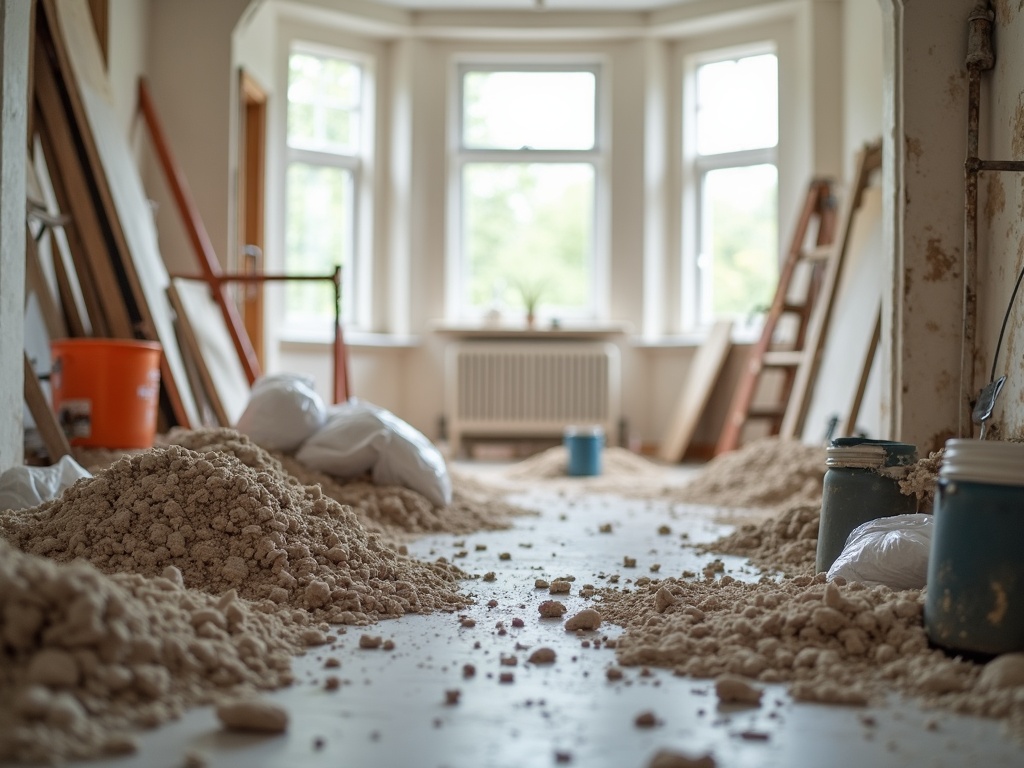
In cases of demolition and major alterations, the cleanup phase will often equal the construction phase in length of time consumed. Removing old flooring causes debris to be disposed of. Tearing down a wall creates rubble. Even painting jobs, which are relatively clean, produce surprising amounts of waste when all the drop cloths, tape, rollers, brushes, and empty containers are counted up.
The frustrating part is that cleanup never seems productive. The house does not improve through cleanup, it simply returns to a usable state. This is why it is so easy to rush through or put off the cleanup, and why so many DIY projects leave rubbish sitting around for weeks and months waiting to be properly dealt with.
Where Removal of Rubbish Steals Hours
This is the place where projects generally get bogged down completely. The actual work is done, but there is now a pile of rubbish that needs to go somewhere. Old material, packaging from new material, offcuts and mistakes, broken things being replaced, all must be dealt with.
The first problem lies in getting the waste materials to the vehicle. It actually takes more time to carry the debris from inside the house to the trailer or vehicle parked outside than it looks like it should. Heavy materials need several trips. Awkward shapes don’t stack very well. Before you know it, an hour has disappeared just loading all the rubbish.
Then comes the drive to the tip or disposal facility, which for many people means the local waste center. It is not a quick job. Allow for time driving, waiting in a queue, unloading, and coming back again, and a tip run easily occupies two to three hours. For bigger jobs requiring several tip runs, this time multiplies rapidly.
For projects in cities where tips or disposal facilities are not nearby or where vehicle access is very limited, the removal of rubbish becomes an even more time-consuming task. Services such as All Types of Rubbish Sydney handle the removal work, which can save time overall compared to doing multiple tip runs yourself, especially for large renovations which leave substantial amounts of waste.
The Sorting and Separation Tax
Several disposal facilities require the rubbish to be sorted. General rubbish in one area, recyclables in another, green waste somewhere else, hazardous materials requiring special handling. This means not only transporting the rubbish, but spending time at the facility making sure everything is sorted properly.
Certain materials cannot be taken to ordinary tips at all. Paint, chemicals, electronics, certain kinds of treated timber, these require special arrangements for disposal. The time spent seeking out appropriate disposal locations and making separate trips for these items adds even more time to the project timeline.
The alternative is to sort everything at home before transport, which saves time at the facility but adds time to the overall project. Either way, the sorting and separation requirements make waste removal take a lot longer than simply "chuck it in the trailer and drive to the tip."
The Projects That Never Quite End
This is where the hidden time cost becomes most apparent. Projects that are technically complete but still have piles of rubbish waiting to be disposed of. The kitchen renovation finished two weeks ago, but there are still old cabinets stacked in the garage. The fence is replaced, but the old palings are piled by the side gate.
These incomplete cleanups happen because disposing of rubbish is the least satisfying part of any project. The improvement is already visible, the hard work is done, and dealing with the rubbish feels like an afterthought. But that rubbish doesn’t disappear on its own, and the project isn’t really finished until it’s gone.
The time cost here is not only the hours eventually spent on disposal, but also the mental burden of the unfinished task, the inconvenience of having waste taking up space, and the way an incomplete project creates a backlog that makes starting the next improvement feel harder.
The Accumulation Effect
The rubbish from one project may be manageable. But most people work on multiple projects over time, and if waste removal keeps getting delayed, the accumulation becomes a bigger problem than any individual project’s rubbish.
A garage filled with leftover materials and waste from various projects represents dozens of hours of disposal work that’s been postponed. That accumulation didn’t happen overnight, it built up slowly as each project’s cleanup phase got shortchanged. Eventually dealing with it all becomes a major project in itself, one that produces no visible home improvement but consumes an entire weekend or more.
Planning for the Invisible Hours
The solution isn’t complicated, but it does require honest time estimation. When planning a project, add time for preparation, cleanup, and waste removal that’s proportional to the actual work. A project with four hours of construction work probably needs another three to four hours for everything else.
For projects involving demolition or generating significant waste, plan the disposal method before starting. Knowing whether waste will be handled through multiple tip runs, hiring a skip bin, or arranging pickup services lets project timelines be more realistic. Starting a demolition project without a waste plan guarantees the cleanup phase will take longer than expected.
Some people batch waste removal, accumulating materials from multiple small projects and doing one large disposal run. This can be efficient if waste is stored properly and the disposal happens on a planned schedule. The risk is that the schedule keeps getting pushed back and the stored waste becomes a permanent fixture.
The Real Project Timeline
A realistic home improvement timeline includes setup time, material acquisition, the actual building work, immediate cleanup, deep cleaning, and waste disposal. For many projects, these non-building tasks collectively take as long as or longer than the building work itself.
Understanding this doesn’t mean DIY projects aren’t worthwhile. It just means planning them accurately so they don’t become sources of frustration when they take three times as long as the initial estimate suggested. The home improvement itself might only take a few hours, but completing the project properly, getting the space back to fully usable condition with all waste cleared, that’s where the real time investment lives. When these invisible hours are planned for from the start, projects progress smoothly and actually reach completion rather than lingering in a semi-finished state with rubbish still waiting to be dealt with weeks later.



Leave a Reply