
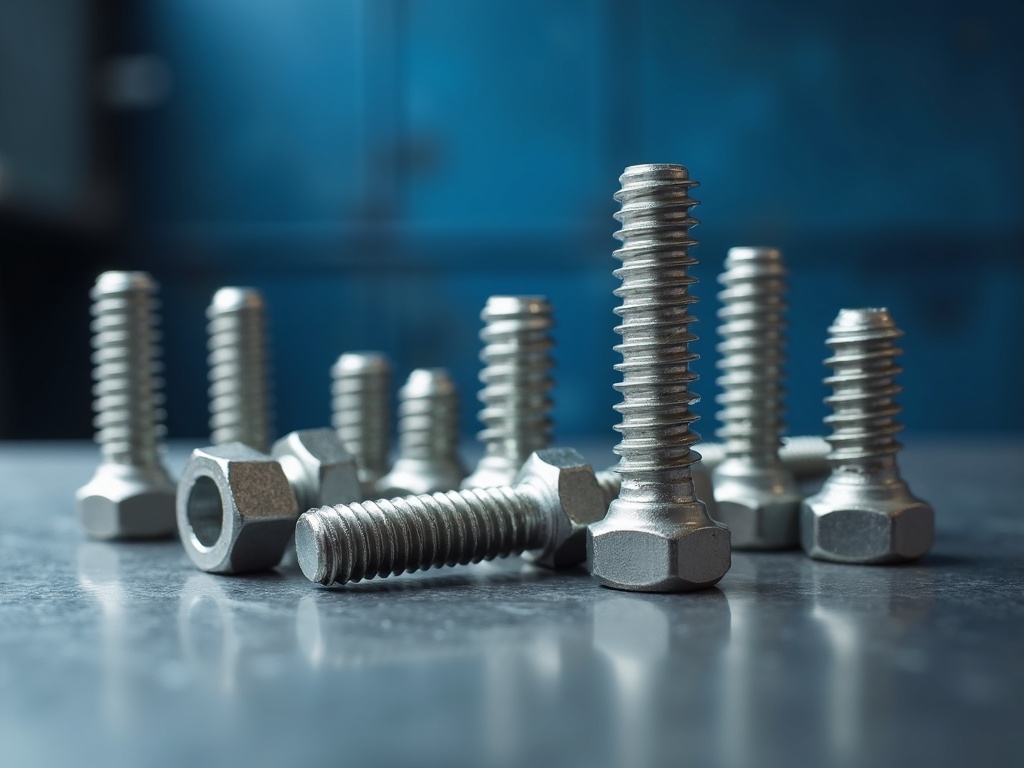
Cone Point vs Cup Point: Choosing the Right Set Screw for the Job
Chances are if you ever installed a set screw, you never thought twice about that little point on the end of the fastener. Was it a cone? A cup? Either way, chances were it would either hold against torque or loosen at the absolute worst moment possible. The difference between those points matters. For some systems, it’s the difference between annoying repair calls and catastrophic mechanical failure.
Set screws might be some of the most basic fasteners in any toolbox, but their design reflects careful consideration of application. While bolts and screws bring two materials together on a plane, either mechanically or integrally, set screws come from inside a treatment to secure a rotation from without. The way the set screw meets its material at its tip is the most critical component to how well it’s going to work.
What’s in a Point?
Set screws are a category of headless fasteners that lock materials together. The point configuration determines how much force is transferred through and what type of damage (if any) occurs on the receiving part. Set screws hold shafts in collars (or from within) or pinch as hubs close against shafts.
Cone point set screws possess a 90-degree cut/118 degree angled tip which digs into the material. It forms a mechanical lock as it bites into the receiving end. It features a high resistance to vibration and torque, because it’s in there and it’s not coming out. However, it leaves a mark, a divot. In applications where a shaft and collar may need to come apart frequently to be repositioned, that divot creates a pain point.
Cup points resemble a cup with a more rounded edge; there’s no immediate angle but rather a concave depression at the top of the point. It doesn’t dig in as it tightens but rather allows for a small circumference of contact area, the internal rounded part to the cup creates a little bit more area. This protects softer materials from marring as cup points are best utilized with a detent or flat surface machined into the shaft so the receiving end has somewhere to go without slipping.
When Cone Points Make Sense
Cone points are best suited for applications where high vibration is present; think about an electric motor shaft spinning at 2,500 rpm. There’s constant force trying to loosen that collar, but it doesn’t stand a chance when it’s dug in.
Heavy machinery, conveyor systems, and industrial equipment often call for cone points for exactly this reason. The permanent marking isn’t a big deal because these shafts rarely get repositioned, and the holding power justifies the surface damage. When working on equipment that takes serious abuse, many builders source their hardware from dedicated suppliers offering Bolts Set Screws designed specifically for heavy-duty industrial work.
The problem with cone points, however, is that they create an inherent weak spot into the material when they penetrate deeply enough, especially if they come out and are redone in slightly different locations on each attempt. Eventually this creates score lines which create stress fractures from loading.
Therefore, cone points are not recommended for assemblies that get adjusted regularly or prototypes and assemblies subjected to constant reconfiguration.
Cup Point Advantages
Cup points succeed where cosmetic appeal is needed, or when adjustments or part changes come frequently. Precision instruments, adjustable fixtures and any assembly needing repositioning without permanent marking benefit from cup configurations.
However, this point configuration requires challenging holding power. Without penetrating the surface of the material, cup points rely on friction/clamping force. Proper torque is critical, over-torqued and threads are stripped or pieces distorted; too loose and the assembly works its way free under normal operating conditions.
Machine shops typically like cup points for tooling since this gets swapped out quite frequently. It needs to be able to be repositioned without fear of ruining any ground surface. When combined with a properly machined detent (a flat or a dimple on the shaft), cup points rival cone points for holding without marring.
Other Important Point Configurations
There are other point configurations worth noting. Flat point set screws have the largest contact area of all because it’s essentially blunt ended. This works well for pinching against soft materials as tips would cause deformation to thin-walled tubing where concentrated pressure would. However, flat points have weak resistance to lateral movement because there’s nothing to bite into or seated into; it requires clamping pressure.
Half dog points represent an in between option, they have a flat tip with a slight chamfer around the edge which works well on hardened shafts (where cone might chip) or where some marking is acceptable, but penetration needs limiting.
Oval is somewhat odd; it offers a rounded top that’s less stressful than sharp cone points but provides sufficient bite to bring addition force, most often found in adjustable applications where gradual damage is better than pronounced marks.
Material and Coating Considerations
While having the right point makes sense, sometimes material grade and coating make all the difference between doing well and failing miserably. Alloy steel set screws with black oxide coating are typical across many general applications, medium strength, fair corrosion resistance, and a good holding capacity.
Stainless steel becomes necessary in corrosive environments or food grade applications, the base material naturally prevents rust but it’s not as strong (compared to hardened alloy). Stainless steel does well with cup points since they don’t tend to penetrate either way, combined with non-marring properties create assemblies that work without danger of damage.
Nylon-set screws exist for delicate operations—no surface damage occurs while still providing positioning force; these exist in optical devices and precision instruments where even contact with non-polished surfaces needs to prevent trace marks.
Installation Best Practices
Even when one considers all variables before installation, getting proper performance relies on minutiae that often get overlooked. For example, thread engagement should allow a minimum of one full diameter of depth; otherwise if it’s too shallow there’s no ability for clamping force.
Torque specifications exist for a reason; engineers design assemblies with torque values that balance holding power against material limitation. If everything feels secure but exceeds those expectations then stressors introduce potential vulnerabilities threaded damage. Under-torqued assemblies are just as bad, they loosen easily during usage.
Threadlocker compounds bring additional security where required, and adds security in assembly. Tightening with medium strength allows vibration resistant locking without making disassembly inevitable. It’s crucial with cup point configurations since they don’t have the mechanical bite of a cone.
It’s important to note, however, that if threadlocker is used after the fact, it’s important to add effective torque, therefore if applied first and then threadlocked it must be assumed additional torque will need to be made effective in future assemblies.
The Costly Consequences of Poor Decisions
Using incorrect point styles creates problems that extend beyond small components causing chains of concern throughout an assembly or project. Cone points on parts that need frequent adjustments mean repeated damage to costly systems needing to have parts replaced far too often.
Cup points in high-vibration situations render service calls and machine downtime when an assembly works free on its own too frequently. The financial toll goes beyond value of the fastener, it costs hundreds or thousands of dollars when machines fail or continuous service visits are needed; this is why specifications exist.
You don’t need to witness a set screw fail to know these facts, when a pulley loosens on a conveyor belt due to lack of holding power due to cup points or cones that marred pinched edges creating an opportunity for reconfiguration without knowing failure, that’s bad news.
Deciding Which Point is Right
Ultimately knowing whether you should be using cone or cup points depends upon your conditions of use, high loads and vibration lend themselves to cones while frequent adjustments leverage cups. Most holes fall squarely into one arena or the other once you actually think about how they’re going to perform instead of reach for what happens to be in supply.
The smallest hardware components often render an entire assembly successful, or fail miserably despite strict tolerances elsewhere. Set screws don’t have the look (or pressure) like structural bolts or load-bearing fasteners, but they’re responsible for securing rotation-based machinery and providing precision so they have no less importance towards their countless applications; getting the right point style means reliable operations versus frustrating failures.


Leave a Reply