
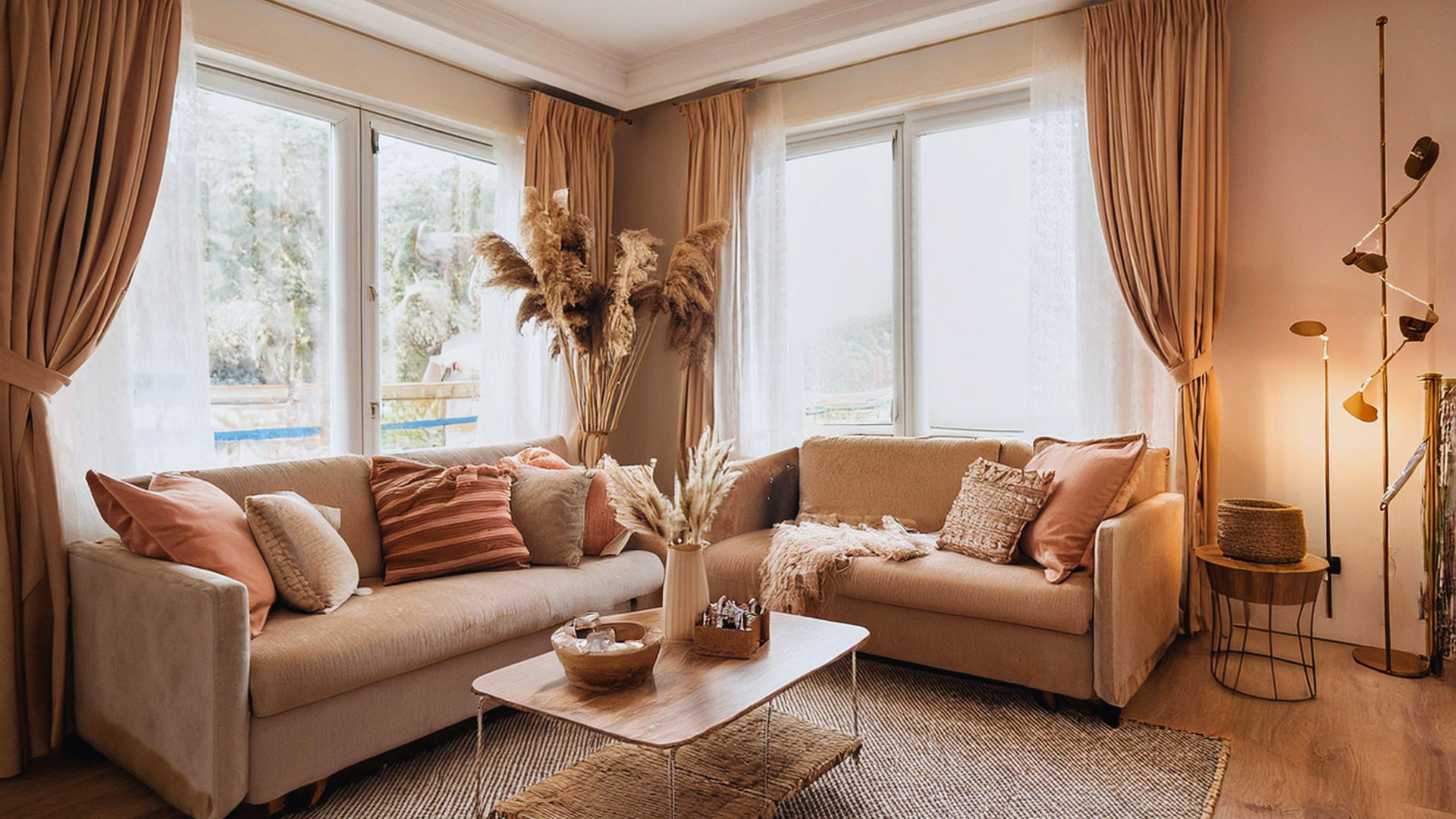
Creating a warm and inviting living room is essential for making a home feel comfortable and welcoming. A successful living room balances comfort and personal style, allowing individuals to express themselves while ensuring guests feel at ease. Thoughtful choices in colour schemes, furnishings, and decor can transform a space into a haven where social interactions thrive.
Incorporating soft textures, ambient lighting, and personal touches such as family photos or travel souvenirs can significantly enhance the room’s atmosphere. Identifying the right balance between functionality and aesthetic appeal is crucial for cultivating an inviting environment. By focusing on elements that resonate with personal taste, one can create a living room that reflects warmth and genuine character.
Fundamentals of Warm and Inviting Decor
Creating a warm and inviting living room hinges on several core elements. These include careful selection of colours, incorporation of natural materials, and lighting choices that enhance comfort and ambience.
Selecting the Right Colour Palette
Warm colours can significantly influence the atmosphere of a space. Shades like soft reds, oranges, and yellows promote a sense of comfort and relaxation. Neutral tones complement these warm hues, providing balance and creating a welcoming environment.
Earthy tones, such as terracotta, olive green, and muted browns, also enhance warmth. These colours work beautifully with wooden furniture and accents. Combining these palettes with textured fabrics, like cushions and throws, furthers the inviting feel of the room.
When choosing a colour palette, consider how the combination affects the visuals and emotions of the space. Test samples on the wall to see how different shades interact with natural light throughout the day.
Incorporating Natural Elements
The use of natural materials fosters a connection to the outdoors, enriching the space’s warmth. Incorporating elements like wood, stone, and woven fabrics can enhance the inviting atmosphere. Wooden furniture, whether rustic or sleek, adds character and a tactile quality to the room.
Plants play a vital role as well. Indoor greenery not only purifies the air but also adds life and colour. Choose easy-to-care-for varieties such as snake plants or pothos to make maintenance simple.
One can also enhance the natural feel of the space by introducing a small aquarium. A thoughtfully placed tank adds movement, light, and a calming presence that complements wood, stone, and greenery beautifully.
For compact spaces, a small saltwater setup with a few vibrant species can become a stunning focal point. A saltwater aquarium fish such as the Clownfish or the electric-blue Tang can add striking colour and personality. The gentle hum of the filter and the soft shimmer of water reflections can further enhance the room’s soothing atmosphere.
If the intention is to keep a larger variety of fish, investing in a bigger aquarium is a wiser choice. A spacious tank provides better water stability, healthier conditions for multiple species, and more room to create a natural-looking aquascape with corals and live rock.
Textures also matter; soft furnishings made from cotton, wool, or linen provide comfort, while decorative elements like jute rugs or wicker baskets contribute to a grounded, organic aesthetic.
Optimising Natural Light and Warm Lighting
Maximising natural light is essential in creating a bright, warm environment. Use sheer curtains to allow sunlight to filter through while maintaining privacy. Keeping windows clean and unobstructed will let in the maximum amount of light throughout the day.
Beyond traditional windows, homeowners can further enhance natural light and architectural interest by considering overhead solutions. Integrating features like a well-designed glazed access hatch or a custom skylight can transform a room, bringing in abundant daylight from above and creating a more open, airy feel.
These architectural elements not only brighten interior spaces but also offer practical benefits, such as improved ventilation and unique design opportunities. Opting for thermally efficient, double-glazed units ensures comfort and energy savings, making them a smart addition to any inviting living space.
In addition, warm lighting, such as soft white bulbs, creates a cosy atmosphere. Incorporate a mix of ambient lighting, table lamps, and floor lamps to achieve a layered effect. Dimmable lights provide flexibility, allowing adjustment according to different activities or times of day.
Combining these strategies ensures that the living room remains inviting, regardless of external light conditions, contributing to a warm and comfortable environment.
Arranging the Living Space
Creating a warm and inviting living room involves careful consideration of furniture selection and placement, as well as the organisation of functional areas. These elements help promote comfort, usability, and aesthetic appeal.
Furniture Selection and Placement
Choosing the right furniture is crucial for a welcoming living room. A sectional sofa can be a great choice, providing ample seating and a cosy spot for gatherings. Position it to encourage conversation; it should face other seating options without barriers.
When placing furniture, consider the flow of movement. Allow at least 45 cm between pieces to facilitate easy navigation. Use ottomans as multifunctional elements; they can serve as coffee tables, footrests, or additional seating.
Incorporating various textures and colours will add depth. A light-coloured sofa paired with darker accent chairs can create visual interest. Accessories like cushions and throws can enhance comfort and warmth.
Creating Functional Areas
Functional areas in the living room cater to different activities. A reading nook featuring a comfortable chair and a small side table can provide a quiet retreat. Position it near a window to take advantage of natural light.
Designate spaces for different uses, such as leisure and socialising. A coffee table should be centrally located, ensuring easy access for drinks and snacks.
Consider including a workspace if needed, using a stylish desk that complements the decor. This makes the area more versatile without sacrificing comfort.
One can also incorporate a focal point that radiates warmth and that can significantly elevate a living room’s inviting feel. Modern heating solutions, such as an electric fireplace, can offer the charm of a traditional fire without the maintenance, providing instant ambiance and adjustable heat.
For those seeking a blend of classic aesthetics and contemporary convenience, an electric basket fire with heaters can serve as an ideal addition, enhancing both the comfort and decorative appeal of the space. They provide a reliable source of warmth and a captivating visual element, ensuring the room feels welcoming and snug.
Personalising Your Space
Creating a warm and inviting living room involves infusing it with personal elements that reflect individual tastes and memories. Incorporating personal touches and ensuring a tactile experience can transform a standard space into a welcoming haven.
Showcasing Personal Touches and Mementos
Personal mementos can significantly enhance the ambiance of a living room. Framed photographs, travel souvenirs, or gifts from loved ones can evoke memories and stories.
A gallery wall is an effective way to display these items creatively. He or she can mix different frame styles and sizes for visual interest.
Incorporating art pieces that resonate with personal experiences also enriches the space. Consider adding a dedication or a short description for each item, allowing guests to engage with the displayed pieces more.
Cultivating a Tactile Experience with Textures
Textures play a crucial role in making a living room feel inviting. Plush cushions and soft throws add layers of comfort. Choosing fabrics like velvet, cotton, or wool creates a warm and inviting atmosphere.
Mixing different textures can enhance the tactile experience. For instance, pairing smooth cushions with knitted throws adds depth.
Incorporating soft textures through rugs can define spaces and create comfort underfoot. Strategically placing these elements encourages relaxation, making guests feel at home.
Accessorising for Comfort and Visual Appeal
Creating a warm and inviting living room involves thoughtful accessorising that enhances both comfort and aesthetics. Key decorative elements contribute to a cosy atmosphere while also showcasing personal style.
Selecting Decor that Enhances Coziness
Soft textures and layered furnishings are essential for creating a snug environment. Throw pillows and throw blankets add immediate comfort to sofas and chairs. Opt for cushions with different sizes and fabrics to create an inviting look.
An area rug can ground the space, providing warmth underfoot. Choosing a soft, plush rug can invite relaxation. An accent wall painted in a warm colour can also enhance the overall warmth of the room, making it feel more intimate.
Incorporating these elements with attention to their arrangement will ensure the space feels curated and welcoming.
Using Books, Art, and Plants to Add Life and Interest
Bookshelves can serve as an artistic statement while providing personality to the room. Displaying books alongside decorative items creates a visual narrative.
Artwork, whether framed pictures or wall art, adds character and interest. Select pieces that resonate personally or inspire warmth and joy.
Adding indoor plants promotes a lively atmosphere and enhances air quality. Choose plants like pothos or peace lilies that require minimal care. A combination of books, art, and greenery can breathe life into the living room, making it personally enriching and visually captivating.


Leave a Reply